9 Most Surprising Food Trends Americans Are Obsessed With in 2026
Discover the 9 most unexpected food trends capturing America’s appetite in 2026. From tech to taste, these innovations are reshaping meals.
Angel Ayala/Pexels
Food culture is evolving faster than ever in 2026, blending technology, sustainability, and bold flavors. Americans are embracing unexpected trends that challenge traditional eating habits and introduce novel culinary experiences. Here are nine of the most surprising food trends dominating tables across the nation this year.
1. Lab-Grown Seafood Making Waves
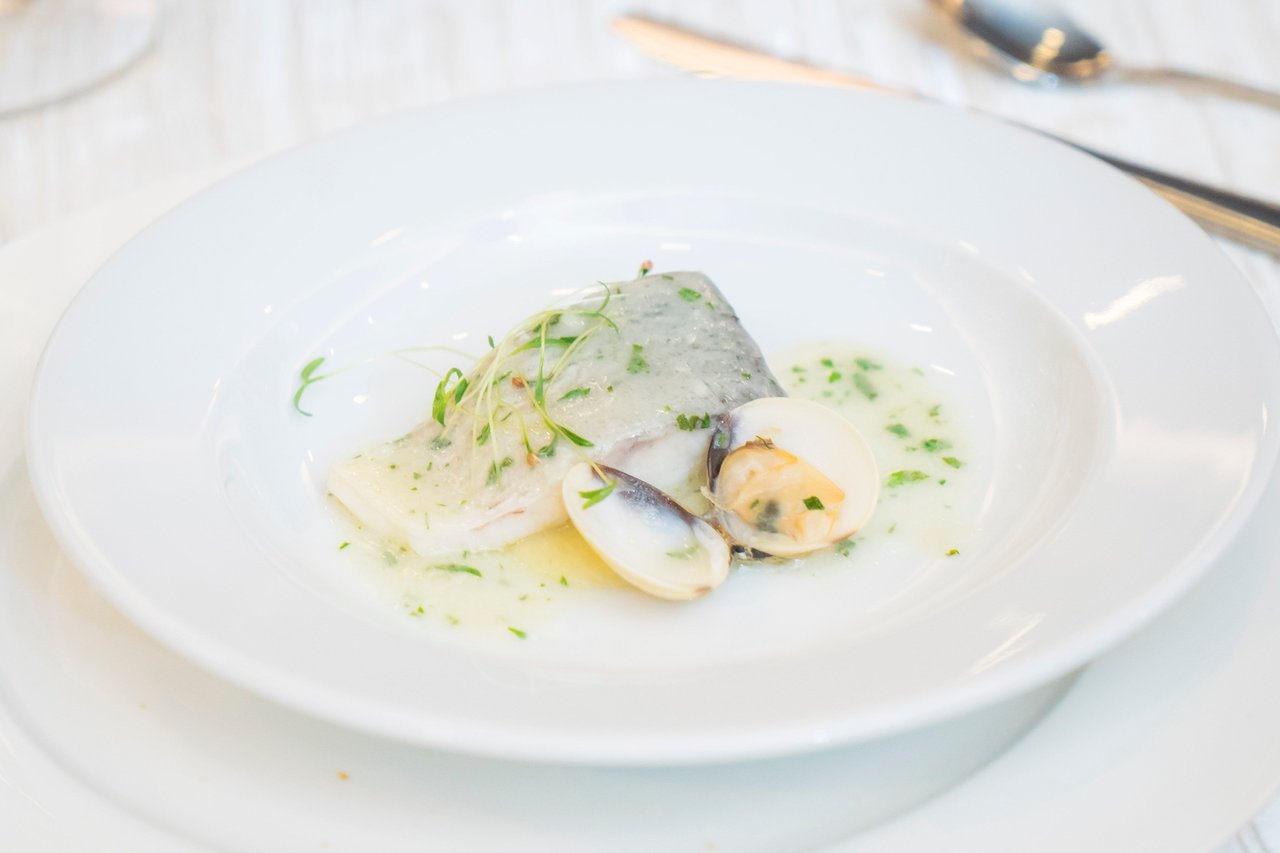
Lab-grown seafood has surged in popularity as an eco-friendly alternative to wild catch and farmed fish. In 2026, companies like BlueNourish and OceanCell are producing cell-cultured salmon and shrimp with authentic texture and flavor. This method cuts down overfishing and plastic pollution, while meeting the growing demand for sustainable protein. Many high-end restaurants are now featuring lab-grown seafood dishes, blending science with gourmet appeal.
2. AI-Crafted Personalized Meals
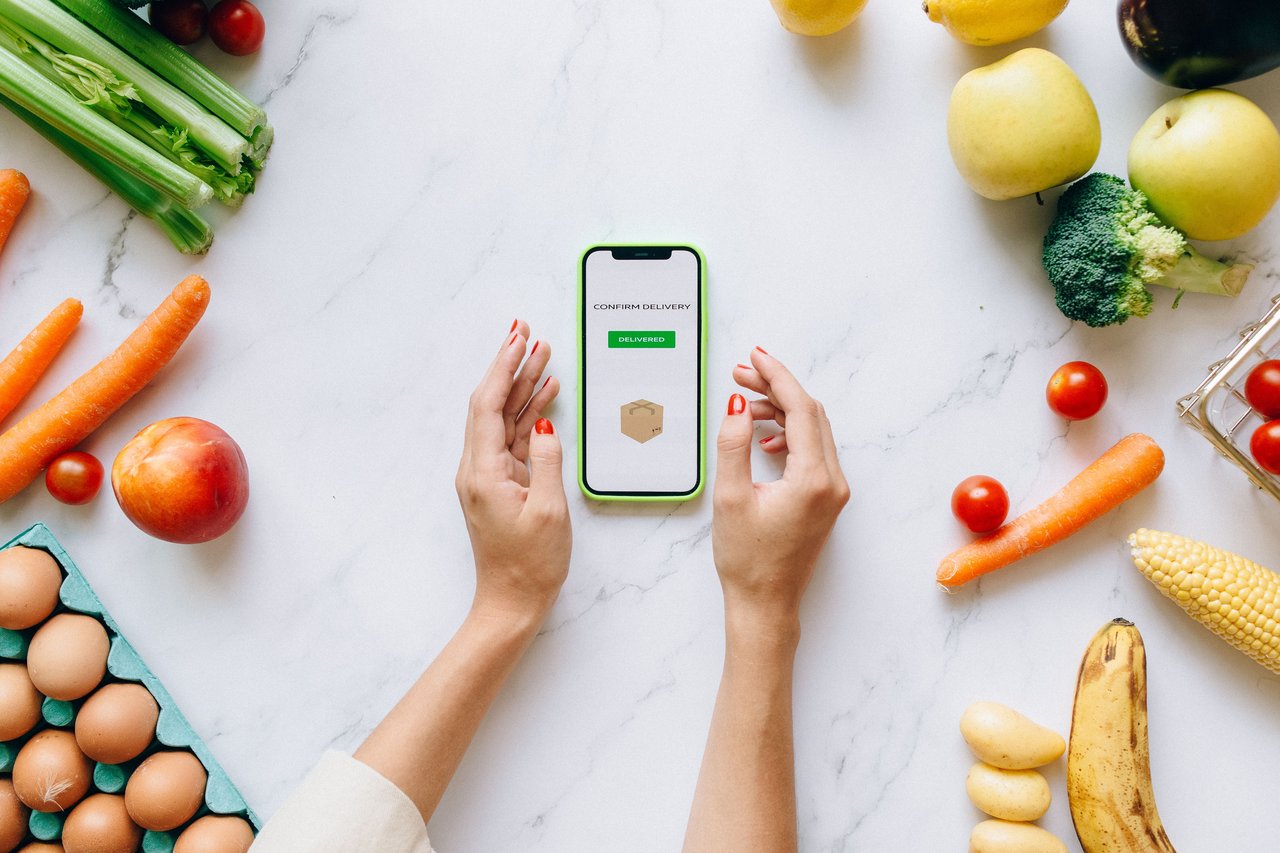
Artificial intelligence is revolutionizing meal planning and preparation. Apps and kitchen devices now analyze individual health data, taste preferences, and nutritional goals to create fully personalized recipes. In 2026, platforms like NutriSynth AI can design meals that optimize energy levels and mental clarity, adjusting macros and ingredients in real-time. This trend is especially popular among busy professionals wanting convenience without sacrificing health.
3. Zero-Waste Cooking Kits

With environmental concerns mounting, zero-waste cooking kits are thriving. These kits provide pre-measured ingredients with fully compostable packaging and include recipes that utilize every part of the ingredients, from root to leaf. Brands like LoopBite have expanded massively in 2026, offering consumers a guilt-free cooking experience that minimizes food waste at home.
4. Insect Protein Snacks Go Mainstream
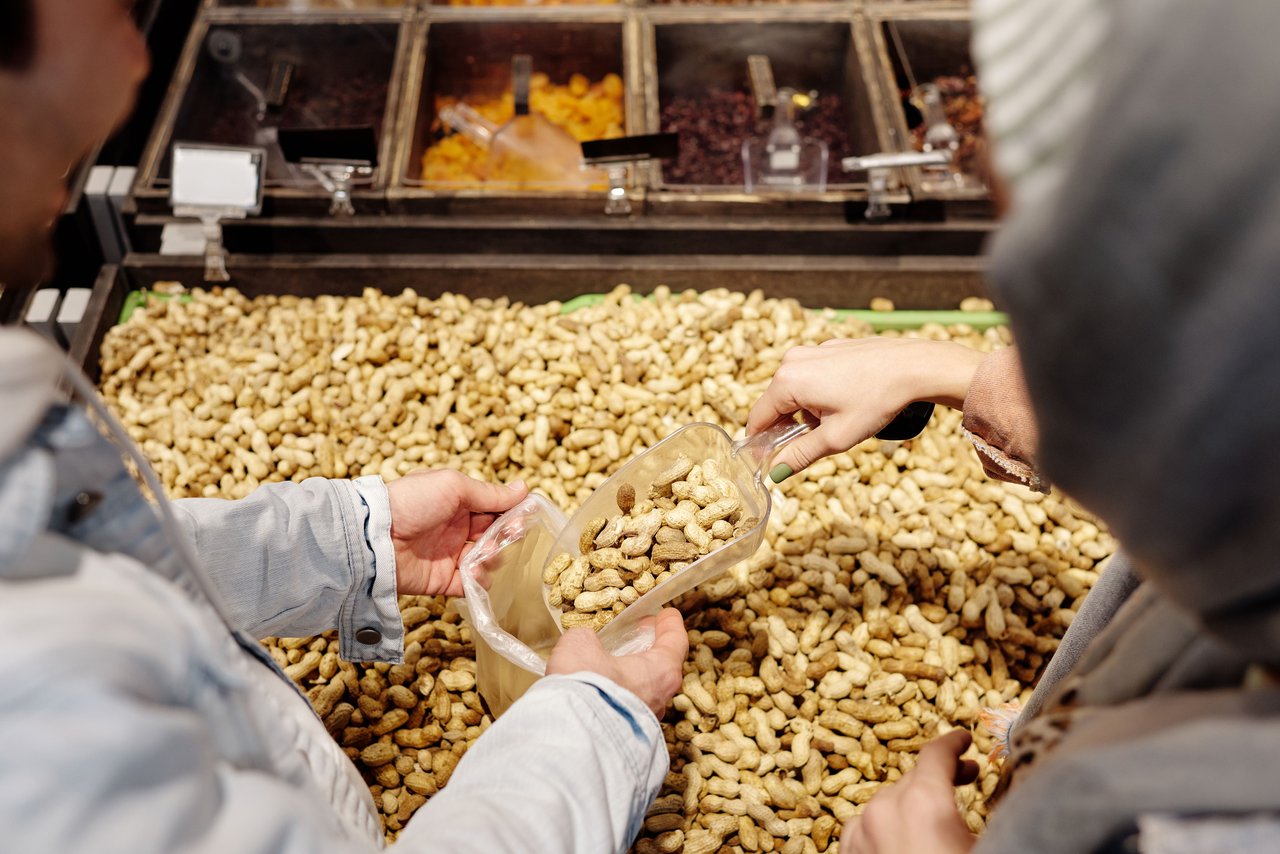
Once niche, edible insects are now a staple in American snack aisles. Cricket and mealworm proteins, rich in nutrients and low in environmental impact, are featured in bars, chips, and even protein powders. 2026 has seen a surge in consumer acceptance thanks to improved taste profiles and widespread endorsements by fitness influencers promoting sustainable muscle-building options.
5. Fermentation Revival with Exotic Flavors
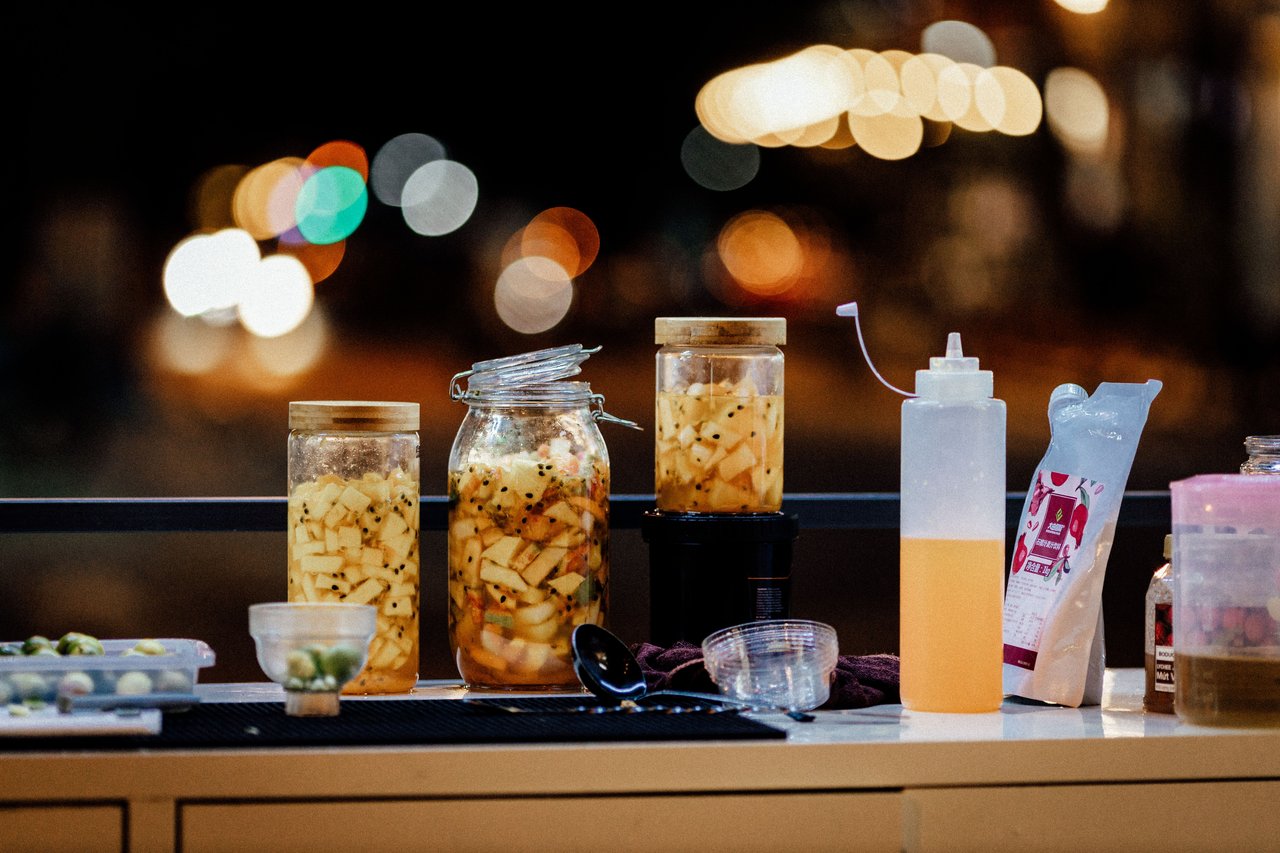
Fermentation has returned with a global twist in 2026. Beyond traditional kimchi and kombucha, Americans are experimenting with fermented flavors from Ethiopian injera batter to Filipino bagoong shrimp paste. This revival feeds the demand for gut-health benefits while exploring bold, unfamiliar tastes. Artisan producers are introducing hybrid fermented products, blending cultures and creating unique culinary fusions.
6. 3D-Printed Gourmet Desserts

3D printing technology has moved from novelty to culinary art in 2026. Dessert chefs use 3D printers to craft intricate pastries and chocolates with customized shapes and textures impossible by hand. Startups like SweetForm enable consumers to design personalized treats at home, selecting flavor infusions and decorations digitally, then printing them fresh. This trend merges creativity, technology, and indulgence seamlessly.
7. Functional Mushrooms in Every Dish
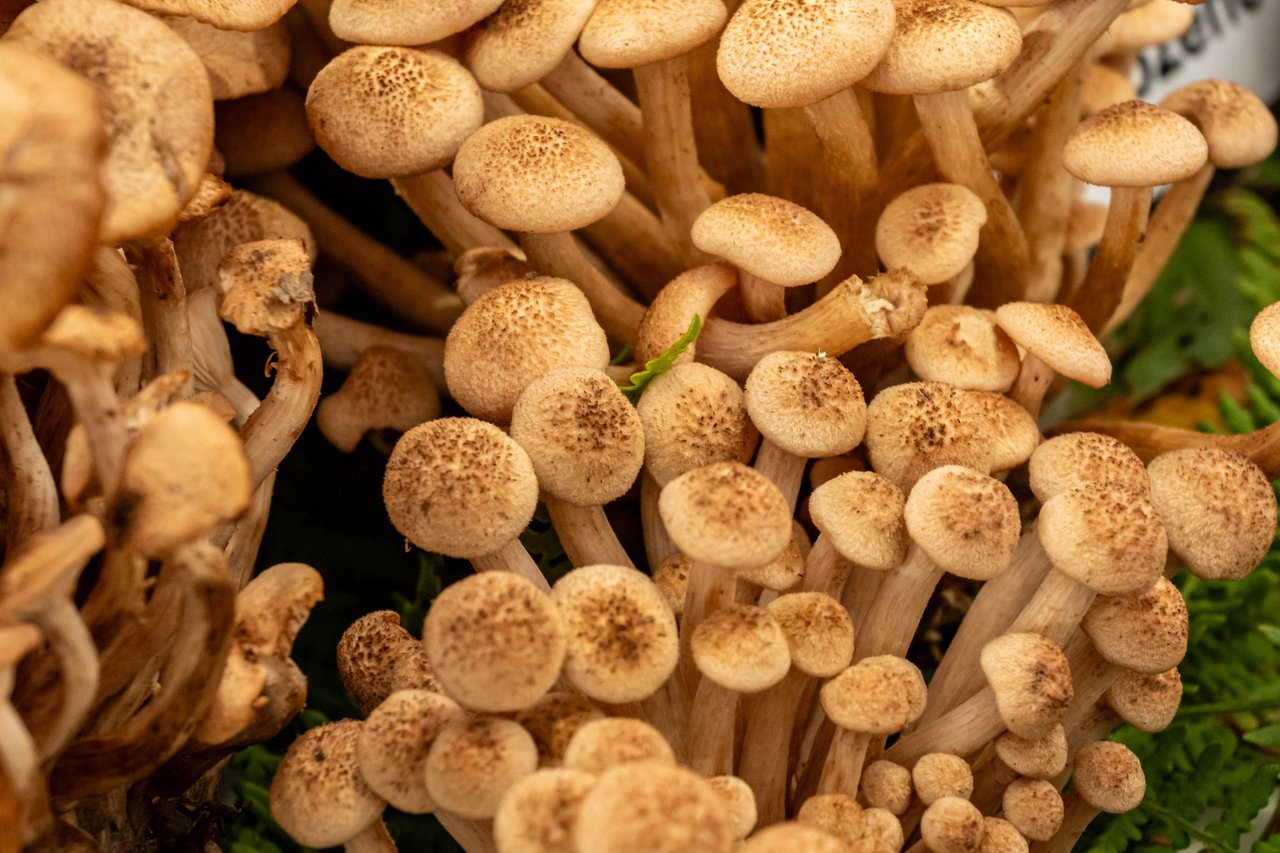
Functional mushrooms—like lion’s mane, reishi, and chaga—have become essential ingredients, not just supplements. Americans are incorporating mushroom powders and extracts into coffee, pasta, and even ice cream to boost immunity and cognitive function. In 2026, mushroom farming innovations have made these fungi more accessible, fueling a culinary trend that combines health and flavor.
8. Plant-Based Seaweed Revolution
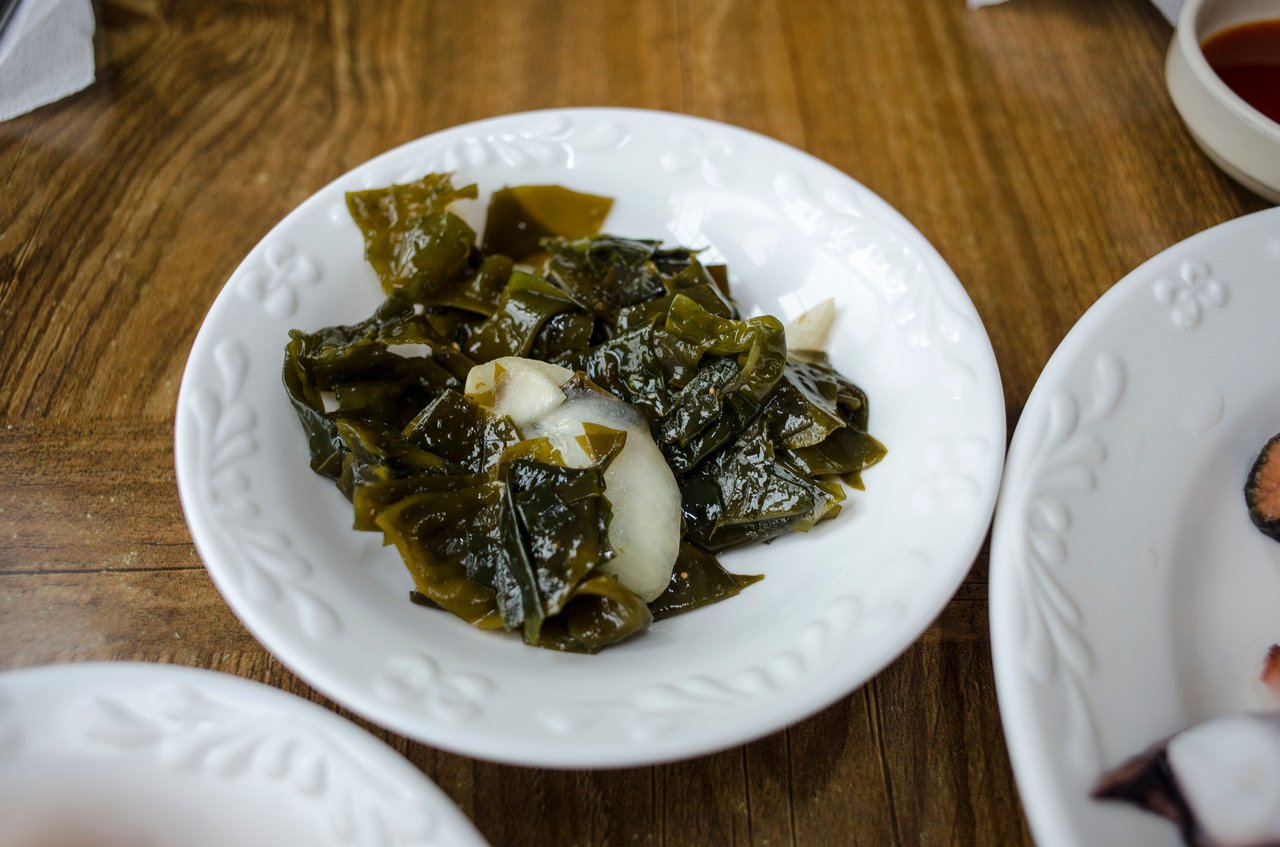
Seaweed, long popular in Asian cuisine, is now a mainstream plant-based food superstar in the U.S. In 2026, seaweed snacks, noodles, and even seaweed-based meat substitutes are everywhere. Startups like OceanGreens have developed sustainable seaweed farms off U.S. coasts, promoting its use as a vitamin-rich, mineral-dense superfood with minimal environmental footprint.
9. Hyper-Local Vertical Farming Produce
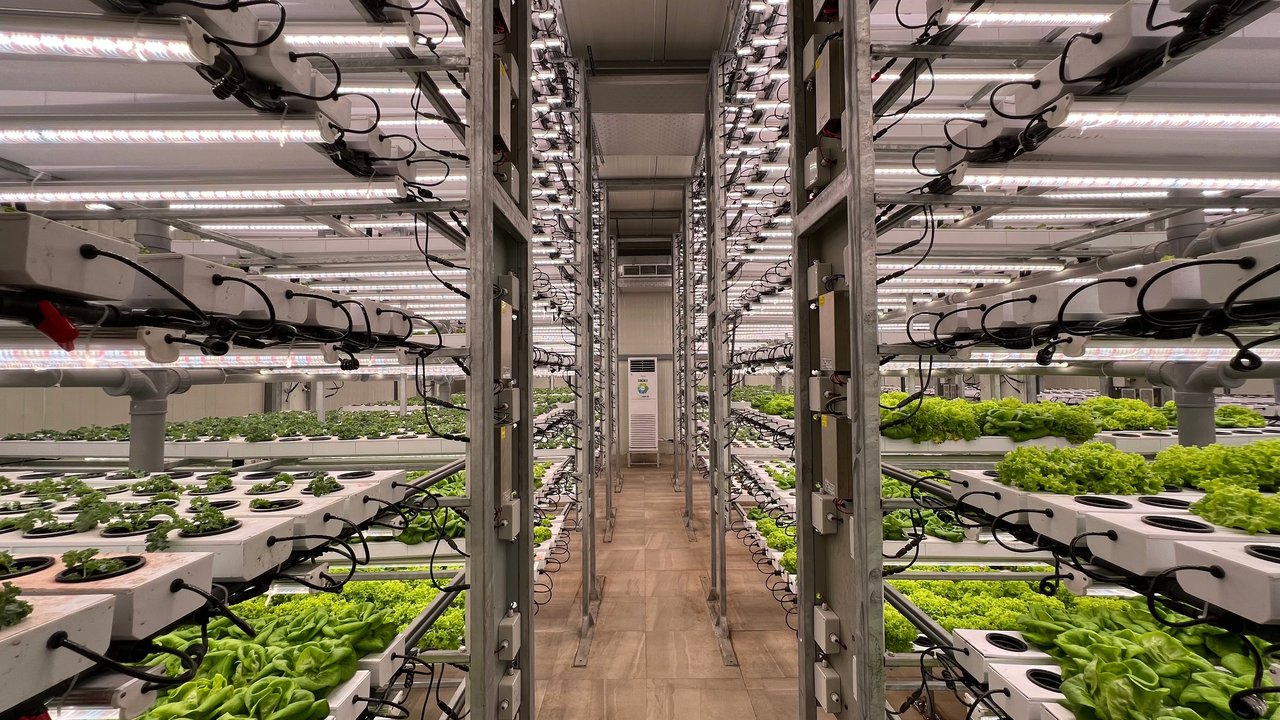
Vertical farming has become the backbone of urban food supply chains in 2026. Hyper-local farms growing leafy greens, herbs, and berries in skyscraper warehouses supply fresh, pesticide-free produce year-round. This innovation reduces food miles dramatically. Consumers are increasingly choosing produce labeled with exact GPS coordinates of its farm, connecting them directly to local growers and supporting community sustainability.
These nine trends show how Americans in 2026 are embracing innovation, sustainability, and global flavors to transform how they eat. From lab-grown seafood to AI-crafted meals, technology and conscious choices are reshaping the future of food, proving that the way we dine is more surprising and exciting than ever.