Oil Prices Surge Amid U.S.-Iran Conflict, Adding Pressure on Fed Chair Warsh
Oil prices climb above $78 as U.S.-Iran clashes escalate, complicating inflation and Federal Reserve policy under Kevin Warsh.
Alfvanbeem/Wikimedia Commons
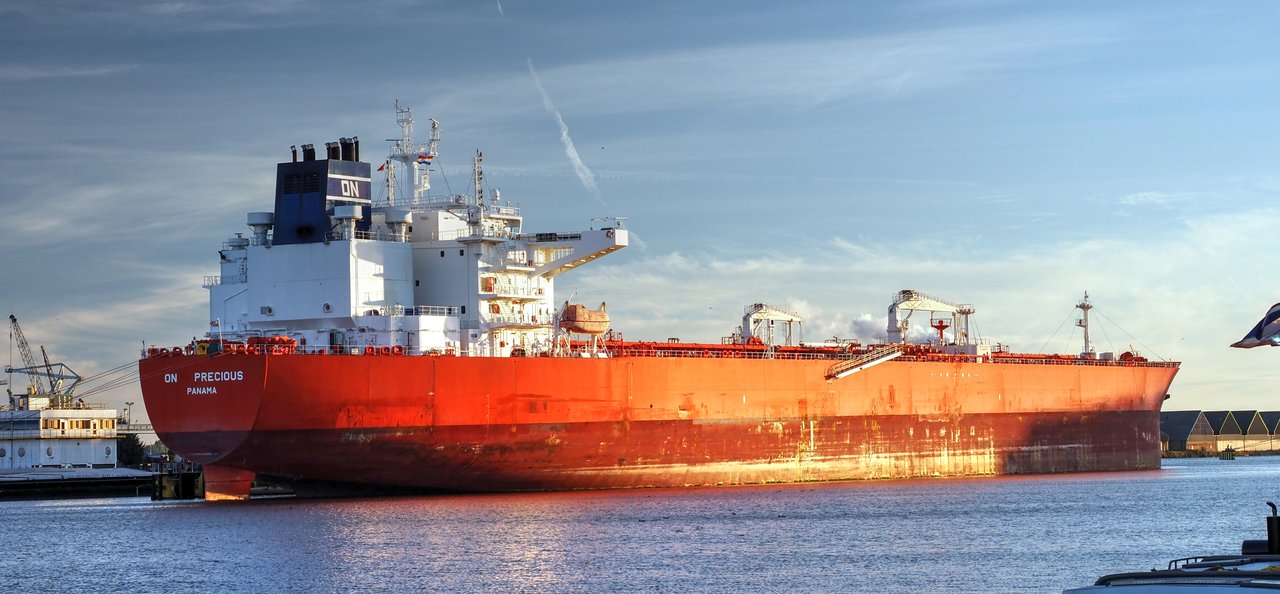
Oil prices have jumped above $78 a barrel this week as tensions between the U.S. and Iran intensified, rattling global markets and posing fresh hurdles for Federal Reserve Chairman Kevin Warsh. The renewed conflict around the Strait of Hormuz, a critical oil shipping route, threatens to disrupt supply and drive inflation higher, complicating the Fed’s efforts to manage interest rates amid already elevated inflation levels.
Escalating U.S.-Iran Conflict Sends Oil Prices Higher
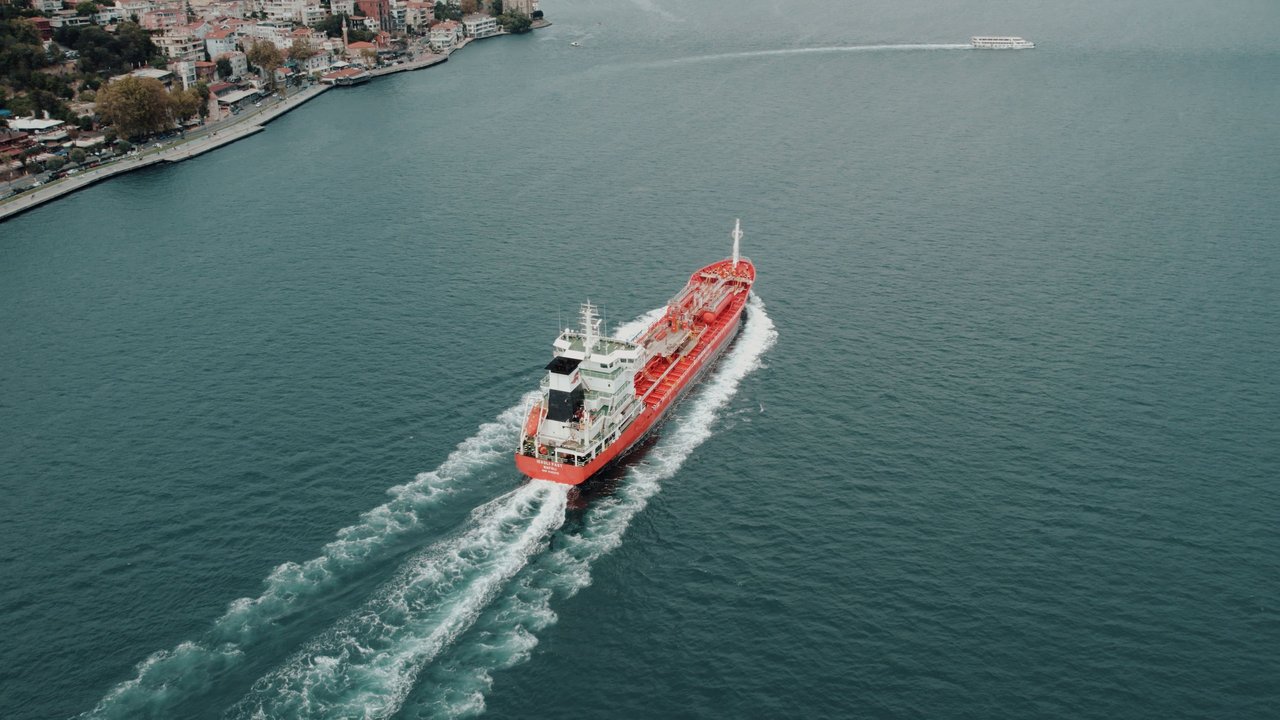
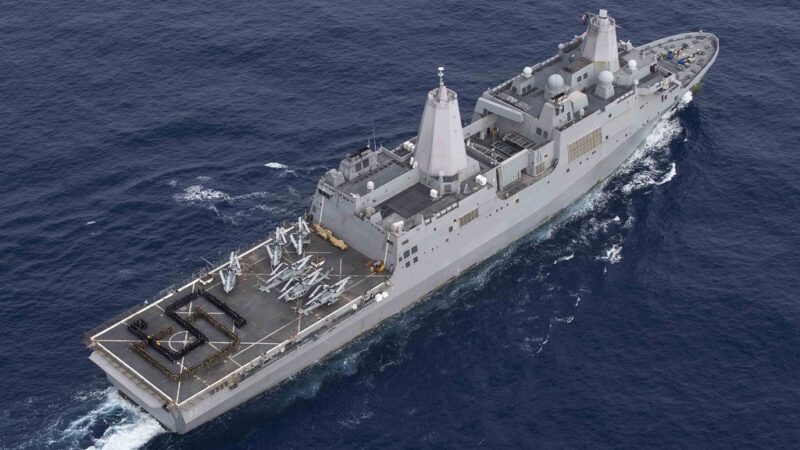
Over the weekend, the situation in the Middle East sharply deteriorated as Tehran and Washington exchanged military strikes, with Iran claiming attacks on U.S. bases in Bahrain, Kuwait, and Jordan. The U.S. Central Command responded after Iran reportedly targeted another commercial vessel transiting the Strait of Hormuz. Despite President Warsh’s predecessor, President Trump, asserting that the vital shipping lane remains open, Iranian officials insist it is effectively closed, creating uncertainty for oil shipments.
As a result, Brent crude prices climbed back above $78 per barrel, well above the pre-conflict level of under $70. Futures markets suggest prices will hold near $72 a barrel for the remainder of 2026, reflecting ongoing concerns about supply disruptions tied to the conflict’s potential duration and severity.
Inflation Concerns and the Fed’s Delicate Balancing Act

This spike in oil prices is fueling worries about inflation, which was already elevated at 4.2% core inflation as of May, far above the Federal Reserve’s 2% target. Goldman Sachs economist David Mericle highlighted that a sustained oil price increase toward $100 a barrel could add 3 to 4 basis points monthly to core inflation, intensifying pressure on monetary policy.
Chairman Kevin Warsh and the Federal Open Market Committee (FOMC) face a challenging environment, where supply shocks like this one add uncertainty to their outlook. While factors like easing tariff impacts and moderated AI-driven demand could help lower inflation later this year, the new oil price surge leaves little room for error in Fed policy decisions.
Mericle noted that repeated shocks complicate efforts to anchor inflation expectations, potentially leading to prolonged inflationary pressures if the conflict continues unabated.
Oil Market Outlook and Long-Term Regional Implications
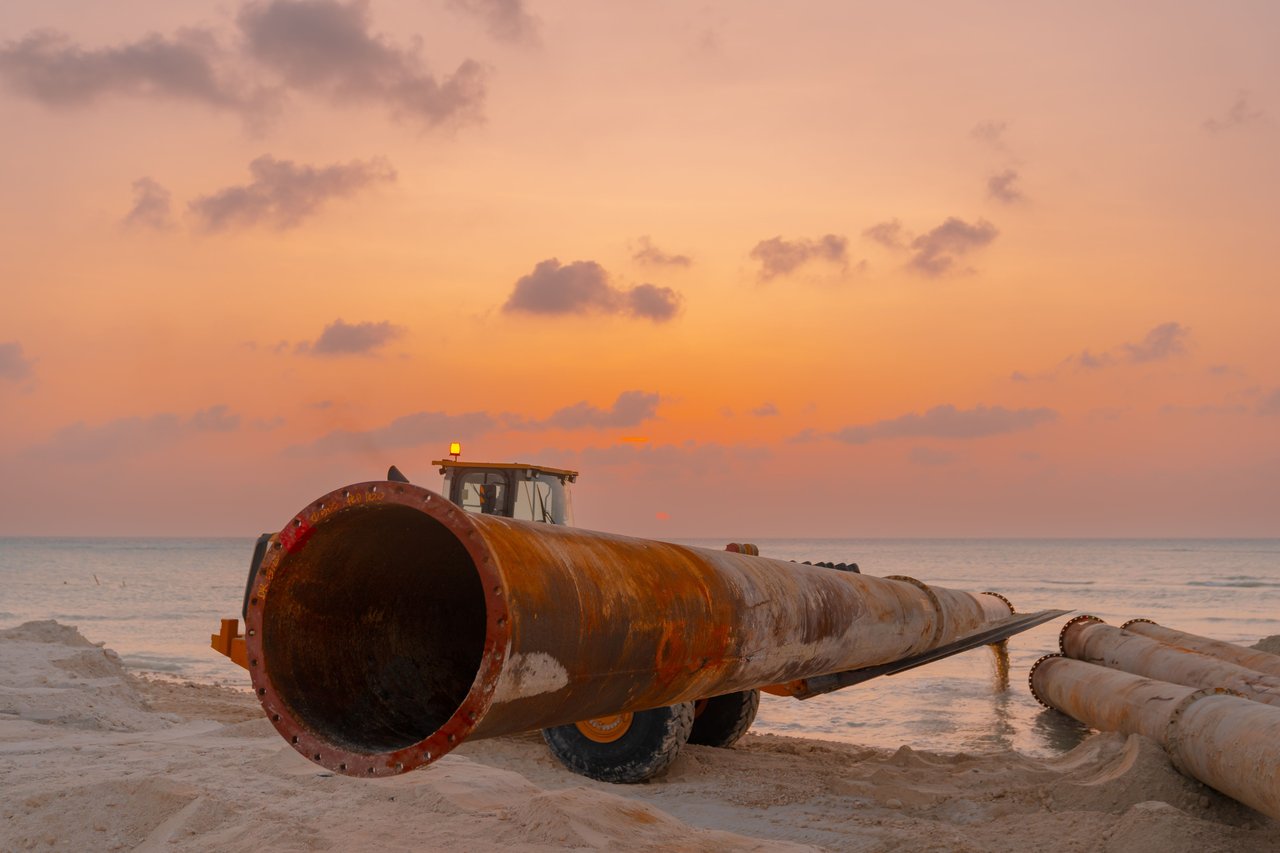
Despite short-term volatility, commodity analysts at Goldman Sachs see a silver lining. The disruption caused by instability around the Strait of Hormuz is likely to accelerate investment in alternative infrastructure, such as new pipeline projects in the Middle East, which could reduce the region’s dependence on the strait for oil exports.
Goldman’s research projects that by the end of 2027, pipeline capacity could insulate over 45% of Persian Gulf oil exports from potential Hormuz disruptions, increasing to more than 60% by the end of 2028. This shift would help stabilize oil supplies and prices in the longer term, even if geopolitical tensions remain high in the near future.
Broader Economic and Market Repercussions

The rising oil prices ripple beyond inflation and monetary policy. Higher energy costs tend to strain consumer budgets, dampen economic growth, and squeeze corporate profits, particularly in energy-intensive industries. Wall Street investors are watching developments closely, with market volatility expected to persist as the conflict unfolds.
For policymakers in Washington and global capitals, the challenge is to balance strategic responses to Iran with the economic imperative of stable energy supplies. Meanwhile, consumers and businesses across North Carolina and the U.S. brace for the impact of higher fuel and goods prices that often follow oil price hikes.
While the immediate outlook appears uneasy, the potential for infrastructure improvements and diversification in energy transport routes offers hope that future supply shocks could be mitigated. Until then, Fed Chair Warsh and economic planners remain vigilant amid a fragile global energy landscape.