Senator Hegseth Faces Backlash for Excluding Democrats from Defense Budget Talks
Republican Pete Hegseth is criticized for locking Democrats out of key defense budget talks, risking bipartisan support for $1.5tn military spending.
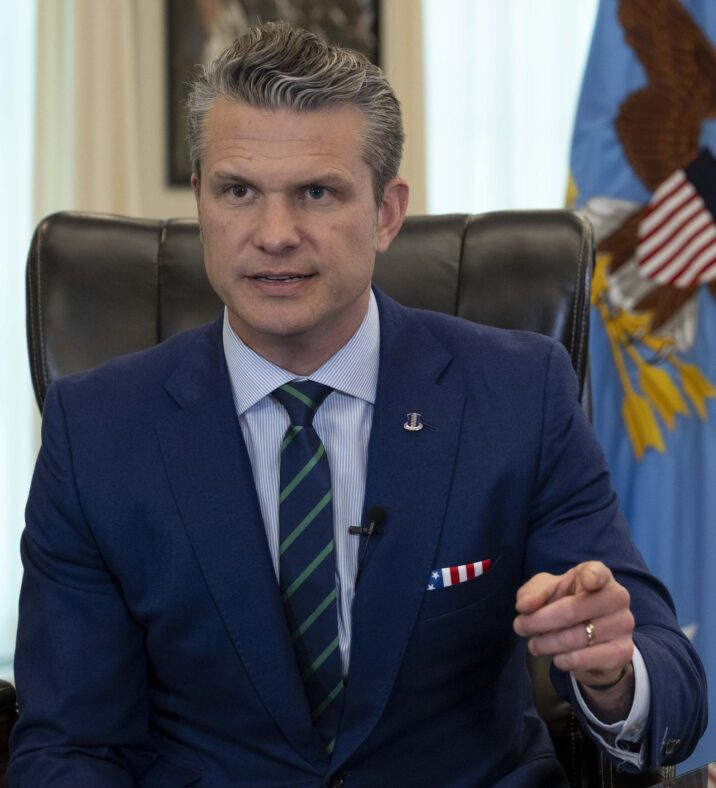
U.S. Secretary of Defense/Wikimedia Commons
Republican Senator Pete Hegseth has come under fire from both sides of the aisle for excluding Democratic lawmakers from classified briefings on the proposed $1.5 trillion defense budget for 2027. The move, which has raised concerns about bipartisanship and transparency, could jeopardize the passage of what is being touted as the largest military budget increase in U.S. history.
Controversy Over Closed-Door Briefings
In recent weeks, Defense Secretary Pete Hegseth has made multiple visits to Capitol Hill to promote the administration’s ambitious defense spending plan. However, according to lawmakers from both parties, these meetings have been closed-door sessions attended exclusively by Republican senators, leaving Democrats out of the loop on critical discussions involving national security and budget priorities.
Senator Thom Tillis, a Republican from North Carolina, voiced his disapproval of Hegseth’s strategy, stating, “He calls himself the secretary of war, but ironically, he doesn’t want to go to war and win the argument with nearly half the members of the Senate. You got to engage.” Tillis emphasized that successful passage of the defense budget requires bipartisan engagement, not exclusion.
Democrats Warn of Consequences
The exclusion has sparked warnings from Senate Democrats, who hold the power to block or delay the budget’s approval. Since much of the 2027 defense spending will need bipartisan support to pass through the Senate, Democrats have threatened to boycott related funding bills unless they are included in the negotiation process.
Several Democratic senators have expressed frustration, arguing that locking them out could backfire by undermining the administration’s own priorities for military readiness and national security. The standoff highlights the growing partisan tension in Congress as lawmakers prepare for critical votes this fall.
Calls for Bipartisan Engagement
Some Republican senators have publicly urged the Pentagon to adopt a more inclusive approach. Senator Mike Rounds of South Dakota revealed he raised concerns about the lack of Democratic participation directly with defense officials, stressing the importance of bringing all members up to speed on classified information despite fears of leaks.
Similarly, Senator Lisa Murkowski from Alaska advocated for bipartisan briefings, noting, “I know that sometimes you want to have smaller groups, but I think it needs to be bipartisan.” These calls suggest a recognition within the GOP that cooperation is essential for advancing such a significant military budget.
Hegseth’s Partisan Rhetoric Adds Fuel to Fire
The controversy comes after Hegseth drew criticism earlier in the year for remarks blaming congressional Democrats as among the “biggest impediment” to preventing Iran from acquiring nuclear weapons. During an April hearing before the House Armed Services Committee, he described Democrats’ approach as “reckless, feckless and defeatist,” further straining relationships with the opposing party.
Sean Parnell, the Pentagon’s chief spokesperson, defended the department’s efforts, stating, “The Department of War remains fully committed to working with Congress to ensure our warfighters have the resources necessary to execute their mission.” He added that Secretary Hegseth and senior leaders regularly engage lawmakers on defense priorities but did not address the specific concerns about excluding Democrats from briefings.
As the defense budget debate intensifies over the coming months, the administration’s ability to foster bipartisan support will be a critical factor in whether the historic $1.5 trillion increase can be successfully enacted.