Unauthorized Cigarette Ignites $70M Fire on USS George Washington Off South America Coast
USS George Washington suffered a $70 million fire triggered by unauthorized smoking and hidden flammable oil while en route to Japan in 2026.
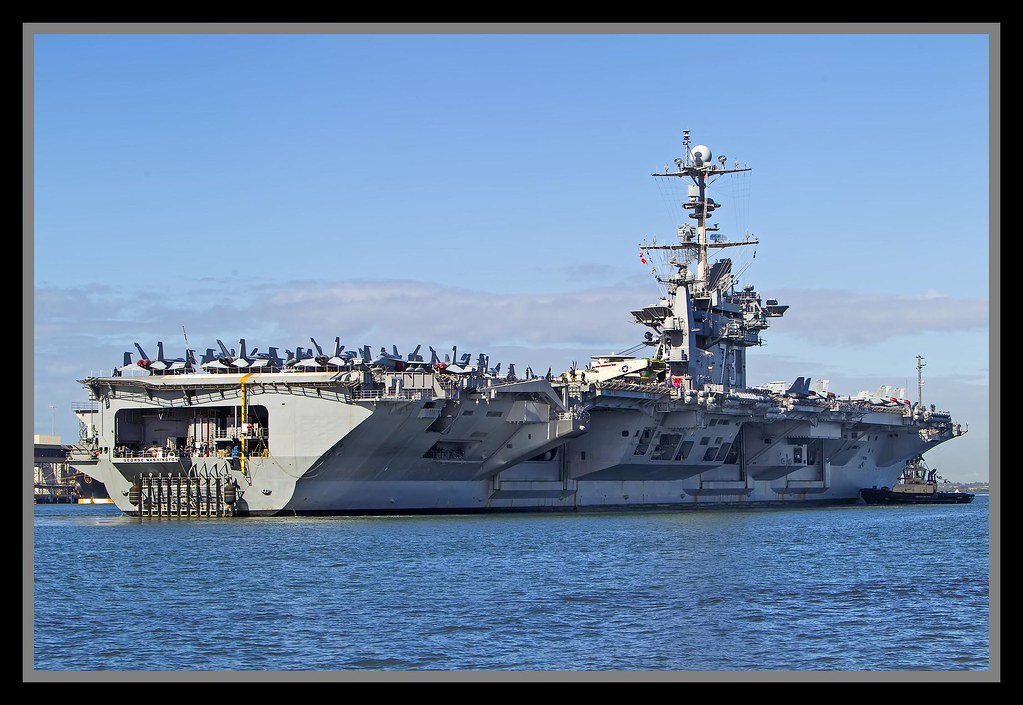
Sheba Also 18 Million Views/Flickr
The USS George Washington, a 104,000-ton Nimitz-class nuclear aircraft carrier, was severely damaged in a fire off the coast of South America in May 2026, caused by an unauthorized cigarette and improperly stored flammable liquids. The blaze resulted in $70 million in repairs and injured 37 sailors, though no fatalities were reported.
Fire Incident Details and Cause
On May 22, 2026, while underway near the Pacific coast of South America, the USS George Washington experienced a fire outbreak that began around 7:50 a.m. during an underway replenishment operation alongside the USS Crommelin frigate. Navy investigations later attributed the fire to an unauthorized cigarette and approximately 90 gallons of hidden oil stored near the ignition point. The combination of these factors created a hazardous environment that ignited and spread rapidly.
The carrier promptly executed emergency breakaway maneuvers and sounded general quarters as the crew mobilized to contain the fire. Smoke and flames spread through ventilation ducting and cableways, affecting eight decks and nearly 80 compartments. Damage extended to electrical systems, cables, ventilation, and living quarters.
Crew Response and Casualties
The USS George Washington’s crew battled the blaze for approximately 12 hours. Thanks to their swift and coordinated efforts, the nuclear propulsion plant remained safe and operational throughout the incident, preventing a far worse catastrophe. Despite the severity of the fire, there were no fatalities.
However, 37 sailors suffered injuries ranging from burns to heat stress and were treated accordingly. The Navy praised the crew’s professionalism in managing the emergency and minimizing further damage or loss of life.
Ship History and Strategic Importance
The USS George Washington, commissioned as a Nimitz-class nuclear aircraft carrier, is 1,092 feet long and displaces roughly 104,000 tons. It is capable of speeds exceeding 30 knots and supports an air wing of more than 60 aircraft. In April 2026, George Washington departed Norfolk, Virginia, to reposition its homeport to Yokosuka, Japan. Due to size constraints at the Panama Canal, the ship sailed around South America to reach its new base.
This relocation marked a significant strategic move, making George Washington the first American nuclear-powered surface warship permanently stationed outside the continental United States. The deployment underscored U.S. commitment to security in the Indo-Pacific region amid rising geopolitical tensions.
Repair Costs and Future Outlook
The extensive damage caused by the fire required comprehensive repairs, with final estimates reaching $70 million. The repairs focused on restoring electrical systems, ventilation, living quarters, and other critical infrastructure damaged by the fire and smoke. The Navy has since reinforced policies on flammable materials and smoking restrictions aboard vessels to prevent similar incidents.
USS George Washington’s operational schedule has been adjusted to accommodate the repair period, ensuring the ship remains mission-ready upon completion. The incident serves as a stark reminder of the risks associated with unauthorized smoking and improper storage of hazardous materials on naval vessels.
As the Navy continues to train and deploy carrier strike groups like the USS George H.W. Bush in 2026, lessons learned from the George Washington fire will inform safety protocols and operational readiness across the fleet.
The USS George Washington incident highlights the critical importance of strict adherence to safety regulations aboard U.S. Navy vessels to protect lives, assets, and national security interests.