Trump’s Tariffs Force Closure of Century-Old Connecticut Manufacturer
Leed-Himmel Industries, a 100-year-old maker of custom aluminum, closes due to soaring expenses and tariffs under Trump’s policies.
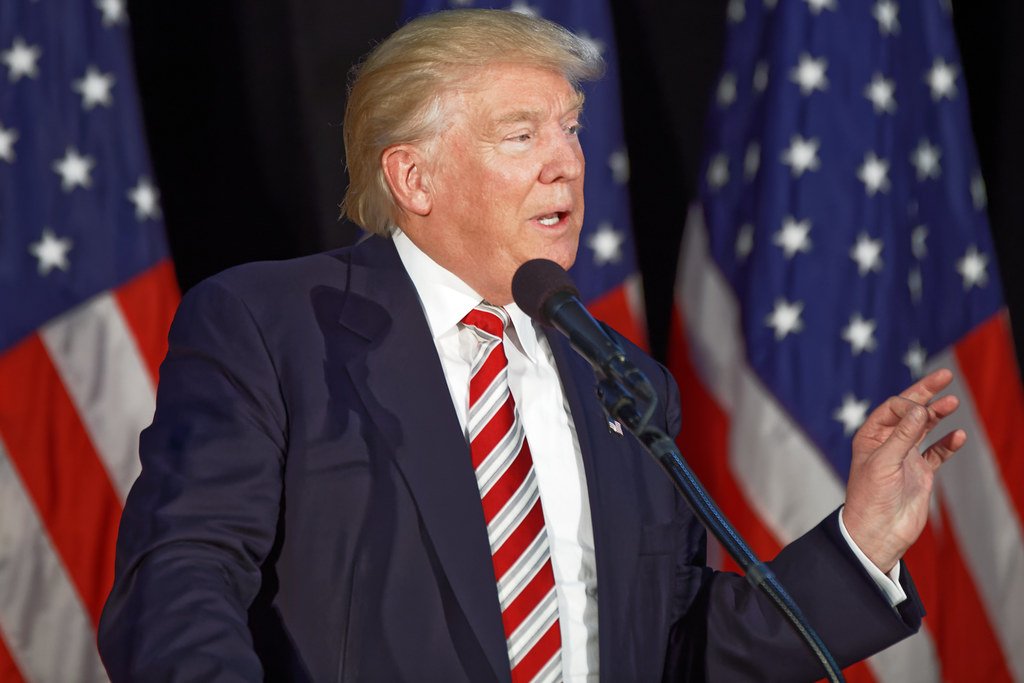
Michael Vadon/Flickr
Leed-Himmel Industries, a custom aluminum manufacturer with more than 100 years of history in Hamden, Connecticut, has announced its closure after decades of operation. Owner Howard Goldfarb attributes the shutdown primarily to skyrocketing business costs and tariffs imposed under President Donald Trump’s administration, marking an end to a long-standing local employer and economic contributor.
Rising Costs and Operational Challenges
For years, Leed-Himmel Industries had been a reliable source of employment and local tax revenue, paying approximately $160,000 annually in property taxes. However, escalating expenses steadily eroded the company’s profitability. Health insurance premiums for workers increased sharply, alongside growing costs for building, vehicle, and workers’ compensation insurance. Even as production slowed, the company’s electricity bills soared past $500,000 annually, straining financial resources.
Goldfarb had expressed concerns about these rising costs as early as 2024, warning that the business might become unsustainable. He told reporters at the time, “We’re just working to pay the electrical bill.” Despite efforts to adapt, the continuous climb in expenses made it impossible to maintain operations at a viable level.
Tariffs: The Final Nail in the Coffin
Goldfarb identifies tariffs imposed by the Trump administration as the decisive factor pushing Leed-Himmel over the edge. These tariffs increased the cost of raw materials, notably aluminum, forcing the company to tie up substantial capital in inventory before receiving customer payments. “If our costs were what they were eight years ago, I wouldn’t have shut it down,” Goldfarb said while walking through the largely empty factory floor in 2026.
The tariffs, widely criticized and legally challenged, were declared illegal by the Supreme Court for lacking congressional approval. Despite this, the Trump administration continued to enforce them, creating ongoing uncertainty and financial strain for manufacturers like Leed-Himmel.
Failed Sale and Future of the Facility
In an attempt to save jobs and preserve the business, Goldfarb nearly completed a sale to a European buyer. However, the deal fell through after geopolitical tensions escalated following President Trump’s unilateral declaration of war on Iran, which unsettled potential investors.
Goldfarb remains hopeful that another buyer will come forward to keep the Hamden facility operational as a manufacturing site rather than converting it into storage or other non-industrial use. The loss of Leed-Himmel represents not only shuttered jobs but also a blow to the local economy, which has depended on the factory’s presence for decades.
Broader Impacts on American Manufacturing
The closure of Leed-Himmel Industries exemplifies broader challenges facing American manufacturers amid rising costs, unpredictable tariffs, and geopolitical instability. Experts warn that such policies risk undermining the competitiveness of U.S. industry by increasing operational expenses and discouraging investment.
The Times Editorial Board has criticized President Trump’s approach, noting that his tariff policies have hurt the American economy and damaged his own political standing. They describe the tariffs as “legally dubious to blatantly illegal” and a damaging hallmark of his administration’s second term.
Leed-Himmel’s shutdown highlights the human cost behind these economic debates — a century-old family business lost, with workers and communities left facing an uncertain future.
As the factory doors close, the fate of the Hamden facility and its workers remains uncertain, underscoring the difficult balance between national policy and local economic survival in today’s manufacturing landscape.