Trump Judge Blocks DOJ Attempt to Dismiss Steve Bannon’s Criminal Case
A Trump-appointed judge rejects DOJ’s motion to dismiss Steve Bannon’s indictment, demanding a clear explanation for dropping the case.
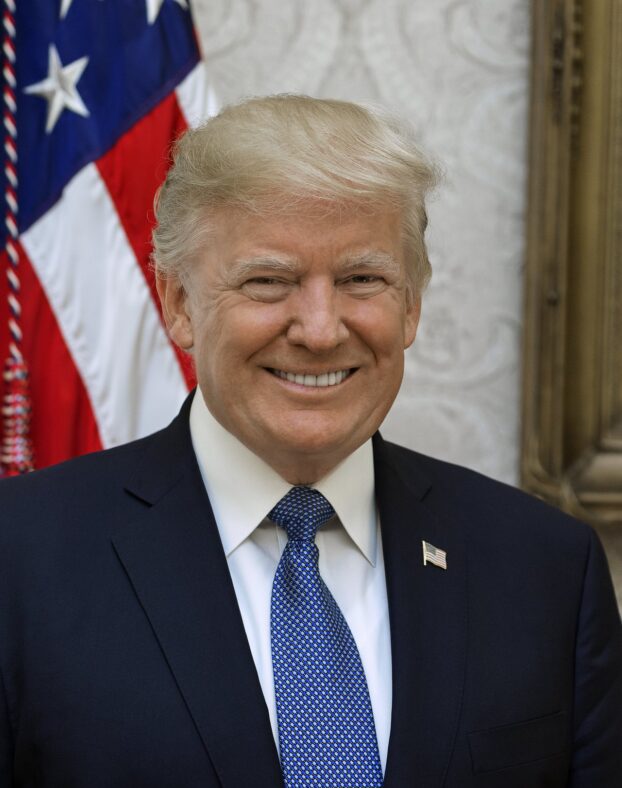
Shealeah Craighead/Wikimedia Commons
On August 26, 2026, U.S. District Judge Carl Nichols, appointed by President Donald Trump, denied the Department of Justice’s attempt to dismiss the criminal indictment against Steve Bannon. The decision marks a significant setback for the DOJ’s efforts to close the case without further prosecution. Nichols ruled that the government failed to provide a sufficient explanation for why the charges should be dropped, emphasizing the need for transparency and adherence to legal standards.
Background of the Bannon Case and DOJ’s Dismissal Effort
Steve Bannon was convicted in July 2022 on two counts of contempt of Congress after defying a subpoena from the House committee investigating the January 6 Capitol attack. He received a four-month prison sentence, which he served following an upheld appeal. While Bannon sought Supreme Court review, the DOJ, under the Trump administration, filed a motion to dismiss the indictment under Rule 48(a) of the Federal Rules of Criminal Procedure.
The government’s motion was brief and vague, stating only that dismissal was “in the interests of justice” without providing any detailed rationale. This lack of explanation prompted Judge Nichols to reject the motion, underscoring that courts require more than a conclusory statement to approve dismissal of a criminal case.
Judge Nichols’ Legal Reasoning and Precedents Cited
Judge Nichols cited binding D.C. Circuit precedents that require prosecutors to clearly outline their reasons and factual basis when seeking dismissal under Rule 48(a). Nichols noted that a mere statement citing the “interests of justice” falls short of these procedural requirements. He emphasized that courts must ensure that dismissals are not arbitrary and must be supported by adequate justification.
Additionally, Nichols referenced a 2025 D.C. Circuit ruling in United States v. Thorpe, which restricts dismissal authority to times when prosecutions are still pending. Since Nichols’ original judgment in the Bannon case has not been vacated, this precedent complicates any renewed DOJ motion to drop the charges.
Procedural History and Supreme Court Involvement
The procedural history of Bannon’s case is complex. After the D.C. Circuit upheld his conviction, Bannon petitioned the Supreme Court. While this petition was pending, the DOJ sought dismissal and urged the Supreme Court to vacate the appeals court ruling and remand the case for dismissal. In April 2026, the Supreme Court granted Bannon’s petition, vacated the D.C. Circuit judgment, and ordered reconsideration in light of the DOJ’s motion.
Following this, Bannon and the DOJ jointly requested the case be returned to Judge Nichols so the prosecution could be formally terminated. The D.C. Circuit complied, but Nichols refused to immediately approve the dismissal without a proper explanation from prosecutors.
Implications for DOJ and Bannon’s Legal Battle
Judge Nichols’ ruling does not permanently block the DOJ from trying again to dismiss the indictment, but it sets a clear standard that the government must meet to succeed. The DOJ must now provide a detailed justification addressing both the legal and factual bases for dismissal to satisfy Rule 48(a).
This decision signals that the judicial system will insist on procedural rigor and transparency, even when cases involve politically charged figures like Bannon. It also leaves the door open for further legal proceedings and delays in resolving the high-profile case.
As the DOJ considers its next move, the spotlight remains on how federal prosecutors will navigate the legal complexities surrounding dismissing a prosecution after conviction and sentencing, especially given the constraints imposed by recent appellate rulings.
The outcome of this ongoing legal saga will have broader implications for prosecutorial discretion, judicial oversight, and the rule of law in politically sensitive cases.