U.S. State Department Urges Americans to Prepare Wills and DNA Samples Before Traveling to Libya
The U.S. State Department warns Americans against travel to Libya in 2026, urging preparation of wills, DNA samples, and emergency plans.
U.S. Department of State/Wikimedia Commons
The U.S. State Department has issued a renewed and firm travel warning against visiting Libya, advising Americans to reconsider travel plans due to ongoing violence, terrorism, and crime. Updated in September 2026, the advisory emphasizes the extreme risks posed by armed conflict, kidnappings, and limited U.S. government support, urging travelers to take extensive safety precautions, including preparing wills and leaving DNA samples with trusted medical providers.
Heightened Security Risks in Libya
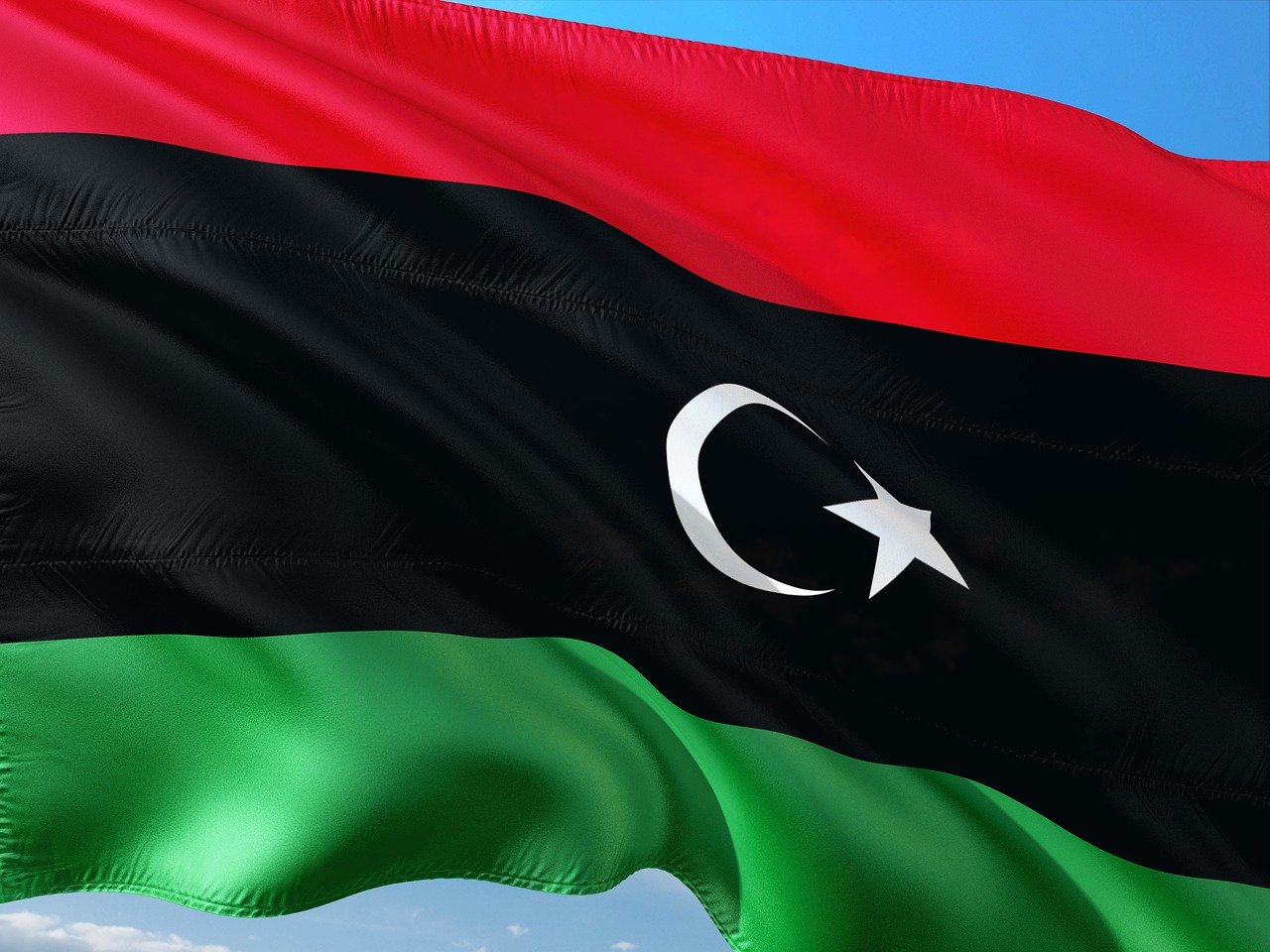
Libya continues to be one of the most unstable and dangerous countries for American travelers. The State Department maintains a Level 4 “Do Not Travel” advisory, citing persistent armed clashes between government-aligned forces and militias, widespread criminal activity, and the presence of landmines and unexploded ordnance. These factors create a hazardous environment for any visitor.
Officials warn that terrorist attacks and violent demonstrations can occur suddenly and escalate without warning, frequently disrupting transportation and essential services. Criminal networks engaged in drug and human trafficking further endanger foreigners, making Libya a highly unpredictable and unsafe destination.
Critical Precautions for Americans Considering Travel
Given these grave risks, the State Department strongly advises Americans who still plan to travel to Libya in 2026 to adopt comprehensive safety measures before departure. Recommended precautions include:
- Preparing a legally binding will and end-of-life instructions
- Designating beneficiaries for insurance policies and drafting powers of attorney
- Leaving DNA samples with a trusted medical provider to assist with identification if needed
- Sharing vital documents and login credentials with trusted family or friends
- Establishing a “proof of life” protocol in case of kidnapping or hostage situations
- Developing an emergency evacuation plan independent of U.S. government assistance
- Considering hiring professional security services to enhance personal safety
These steps reflect the heightened dangers and the reality that travelers must be self-reliant in Libya’s volatile environment.
Limited U.S. Government Support and Emergency Response
The U.S. Embassy in Libya remains closed, severely limiting the availability of official assistance for Americans in distress. The State Department warns that evacuation or rescue operations may not be possible in the event of kidnapping or violent incidents. Consequently, travelers must prepare contingency plans to swiftly exit the country if the security situation deteriorates.
Maintaining constant communication with loved ones and arranging alternate transportation options are critical components of these plans. Americans are urged to recognize that relying on U.S. government aid in Libya is unrealistic due to the ongoing conflict and diplomatic constraints.
Context of Travel Advisories in 2026
The Libya advisory is part of a broader set of travel warnings issued by the State Department for 2026, reflecting ongoing instability in various global hotspots. Other high-risk regions include parts of the Middle East such as Israel, where unrest and terrorism threats persist.
Under President Donald Trump’s second term administration, the State Department continues to update travel advisories to provide timely, detailed risk assessments aimed at protecting American citizens abroad. These warnings serve as crucial guidance for travelers planning international trips amid evolving global security challenges.
In summary, Americans considering travel to Libya in 2026 should heed the State Department’s Level 4 advisory and take all recommended precautions. Preparing wills, sharing DNA samples, and establishing emergency communication protocols are vital steps to mitigate the extreme dangers posed by conflict, terrorism, and crime in Libya.