Argentine Leader Javier Milei Blasts UN as ‘Fatally Arrogant Parasites’ in Fiery Speech
Javier Milei unleashes a scathing critique of the United Nations, labeling it ‘useless’ and ‘fatally arrogant’ during a fiery global address.
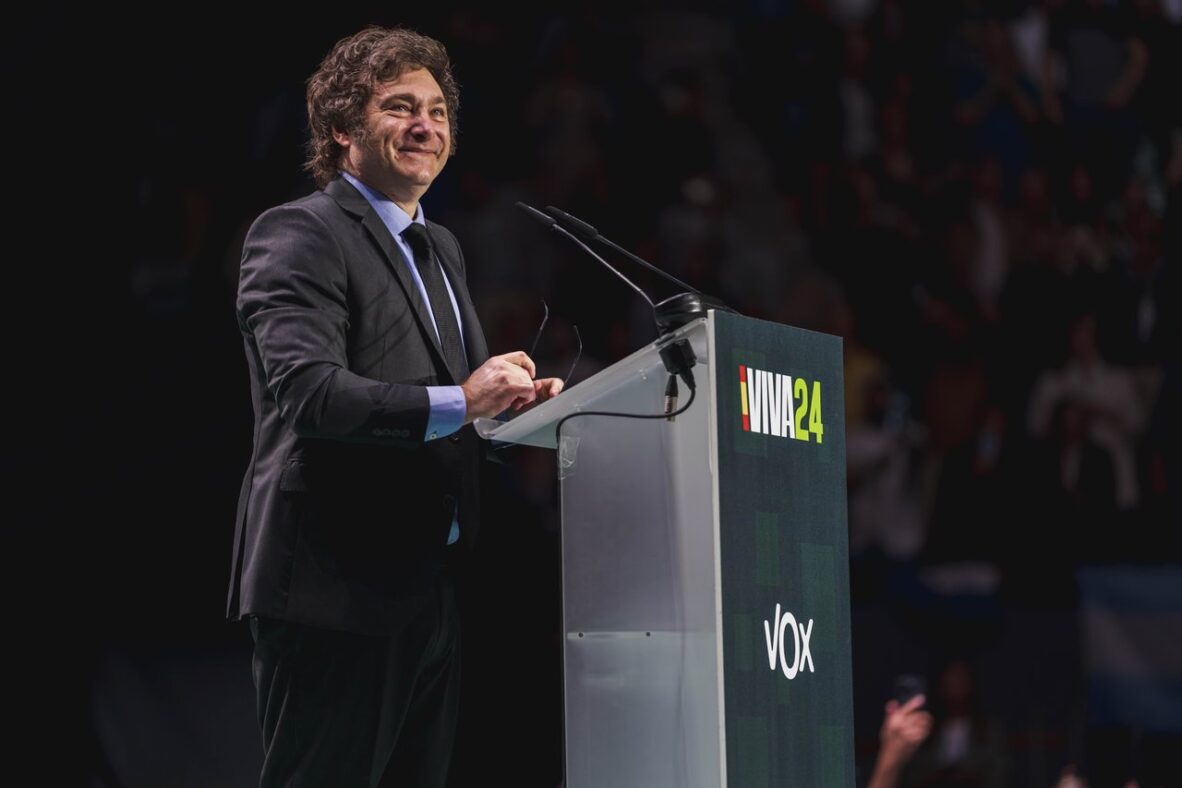
Vox España/Wikimedia Commons
Argentine libertarian leader Javier Milei delivered a blistering denunciation of the United Nations in a fiery speech that has ignited global debate. Speaking at an international forum in New York on September 23, 2026, Milei called the UN “useless” and accused its members of being “fatally arrogant parasites” that hinder real progress. The speech drew sharp reactions worldwide, including from political observers and local communities in North Carolina closely watching global diplomacy amid shifting U.S. foreign policy under President Donald Trump’s administration.
Milei’s Speech Sparks Global Controversy
Javier Milei, known for his outspoken libertarian views and fiery rhetoric, did not hold back during his address. He accused the United Nations of failing to solve major global problems such as war, poverty, and corruption. Describing the organization as a “bureaucratic monstrosity,” Milei blasted its leadership for perpetuating inefficiency and arrogance instead of fostering cooperation.
“These fatally arrogant parasites feed on the illusions of diplomacy while allowing the world to spiral into chaos,” Milei said, his tone sharp and uncompromising. “The UN is a relic of a bygone era, useless in the face of modern challenges and incapable of meaningful reform.”
The speech was part of a broader critique of international institutions that Milei claims undermine national sovereignty and economic freedom. He urged nations to reconsider their commitments to global governance structures he deems ineffective.
Local and National Reactions to Milei’s UN Criticism
Reactions in North Carolina and across the United States have been mixed but intensely engaged. Some local political analysts in Wayne and Duplin counties view Milei’s blunt denunciation as emblematic of a rising wave of skepticism toward multilateral organizations, which aligns with the Trump administration’s America First foreign policy stance.
President Donald Trump’s administration, now in its second term, has taken a critical stance on many international bodies, emphasizing U.S. sovereignty and bilateral agreements over multilateral treaties. Milei’s remarks have been interpreted by some as an echo of this approach, though Milei’s libertarianism is distinctly more radical in tone.
Meanwhile, others warn that such rhetoric risks undermining global cooperation on issues like climate change, humanitarian crises, and peacekeeping missions. North Carolina lawmakers and civic leaders emphasize the importance of maintaining diplomatic engagement despite frustrations with the UN’s flaws.
The UN’s Response and Future Outlook
The United Nations responded swiftly to Milei’s speech. A UN spokesperson condemned the language used as “unproductive and disrespectful,” emphasizing the organization’s ongoing commitment to address global challenges through diplomacy and consensus.
Despite criticisms, the UN has launched reforms in recent years aimed at improving transparency and responsiveness, though progress remains slow. Milei’s speech highlights the growing impatience among some political factions worldwide with the pace and effectiveness of those reforms.
Experts predict that Milei’s attack could fuel further debates on the UN’s role and potential restructuring in coming years. His position resonates with nationalist and libertarian movements gaining traction globally, potentially influencing upcoming UN General Assembly discussions.
What This Means for North Carolina Residents
For North Carolina, the controversy underscores the intersection of local interests and global affairs. As home to military bases, international businesses, and immigrant communities, the state remains connected to global stability and cooperation.
Local officials stress the need for balanced engagement, recognizing the UN’s imperfections while supporting its role in peacekeeping and humanitarian aid. They also highlight opportunities for North Carolina’s universities and think tanks to contribute to international policy discussions and reforms.
Residents following the story are encouraged to consider how global governance impacts economic and security issues at home, especially in a politically charged climate shaped by President Trump’s administration.
Javier Milei’s incendiary critique of the United Nations has reignited global conversations about the future of international institutions. As debates continue, North Carolinians will watch closely how these dynamics evolve and what they mean for the state’s role on the world stage.