Austria Bans Hijabs and Burkas for Girls Under 15 in Schools
Austria enacts a ban on hijabs, burkas, and headscarves for girls 14 and under in schools, sparking debate over religious freedom.
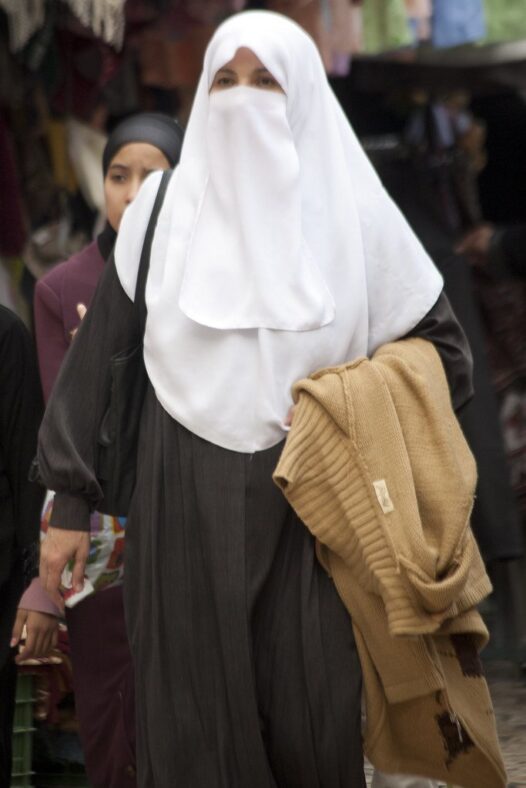
ashi/Flickr
Austria has implemented a new ban prohibiting hijabs, burkas, and other traditional Muslim headscarves for girls aged 14 and under attending schools. The regulation, effective as of September 2026, aims to address concerns raised by conservative political factions about social integration and gender equality but has ignited a heated debate about religious freedom and children’s rights.
Details of the Ban and Political Backing
The ban specifically targets traditional Muslim head coverings worn by young girls in Austrian schools. The conservative Austrian People’s Party (ÖVP), a key player in the current three-party coalition government alongside the Social Democrats (SPÖ) and the liberal Neos, has been the strongest advocate for this policy. ÖVP officials have described the headscarves as “a sign of oppression and a means of controlling girls from the earliest childhood,” arguing that removing them will promote gender equality and encourage greater social cohesion.
This measure applies to all public schools across Austria and prohibits girls under 15 from wearing any form of Muslim head covering during school hours. Supporters believe the ban will help foster a more inclusive environment and reduce what they perceive as religiously motivated segregation.
Criticism and Concerns Over Religious Freedom
Opponents of the ban, including human rights advocates and some opposition parties, have condemned the policy as an infringement on fundamental freedoms. Critics argue that it restricts the right to express religious identity, particularly for young Muslim girls who wear headscarves as part of their faith. The BBC has reported concerns that such restrictions may lead to increased alienation and stigmatization of Muslim communities in Austria.
Legal experts point out that the policy raises questions about compliance with international human rights standards, including the European Convention on Human Rights, which guarantees freedom of religion. Some fear the ban could set a precedent that encourages similar prohibitions in other European countries, potentially escalating cultural tensions across the continent.
Comparisons with Other European Countries’ Approaches
Austria’s decision comes amid ongoing debates in Europe over religious dress and public life. For example, in the United Kingdom, an online petition calling for a ban on full-face coverings such as burqas and niqabs in public spaces gathered over 71,000 signatures in 2026 but was ultimately rejected by the government. British officials emphasized the nation’s commitment to religious tolerance, citing protections under the Human Rights Act and European human rights law.
The UK government has maintained that no legislation currently bans religious or non-religious face coverings in public, highlighting the importance of balancing security concerns with respect for personal freedoms. This contrasts with Austria’s more restrictive stance on head coverings for children in schools.
Social Implications and Community Reactions
The ban has already sparked protests and debates within Austrian communities. Muslim families and advocacy groups have expressed fears that the policy may marginalize young girls and force families to choose between cultural identity and education. Some parents worry that girls excluded from wearing headscarves might face bullying or social isolation.
Meanwhile, proponents argue that the ban will help integrate minority communities and promote equality from an early age. They claim that removing visible religious symbols in schools supports a shared civic identity and helps break down cultural barriers.
- Proponents emphasize gender equality and social cohesion
- Opponents highlight religious freedom and risk of discrimination
- The policy affects girls 14 and younger in all Austrian schools
- Similar debates continue across Europe with varying approaches
As Austria moves forward with enforcing this controversial ban, the nation remains at the center of a wider European discussion about balancing religious rights and societal integration in increasingly diverse societies.