BBC Allowed to Serve Legal Papers on Trump’s Children in $10bn Libel Case
A judge permits the BBC to serve subpoenas on Donald Trump’s children in a $10bn defamation case over a doctored speech.
Michael Vadon/Flickr
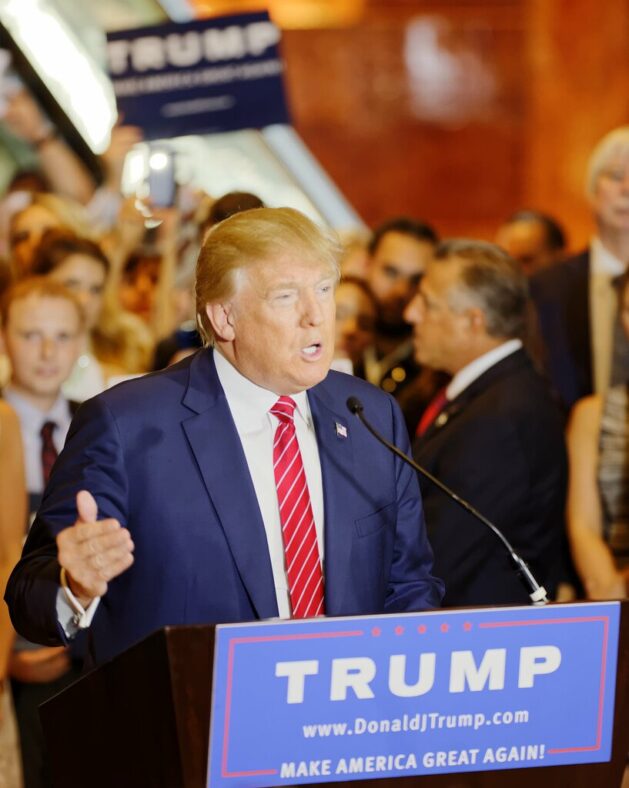
The BBC has been granted permission by a judge to serve legal papers on Donald Trump’s children—Donald Trump Jr, Ivanka Trump, and her husband Jared Kushner—as part of its $10bn (£7.5m) defamation lawsuit involving the US president. The case centers on allegations that the broadcaster doctored one of President Trump’s 2021 speeches in a Panorama documentary, which sparked claims of incitement related to the Capitol riot.
Background of the Defamation Case
Donald Trump filed a defamation lawsuit against the BBC after The Telegraph revealed that the broadcaster had edited together two separate parts of a speech he gave in 2021. The splicing allegedly created the false impression that President Trump incited his supporters to storm the Capitol. Trump contends that the edits made it appear as if he urged his audience to “fight like hell,” when the segments were nearly an hour apart in the original speech.
Following the revelation, the BBC apologized for misleading viewers but maintains it did not defame the president. The BBC also states the Panorama episode was never broadcast or made available online in the United States. The controversy led to the resignations of Tim Davie, then director general, and Deborah Turness, head of news at the BBC.
Legal Moves to Serve Subpoenas on Trump’s Children
As part of its defense, the BBC believes Donald Trump Jr, Ivanka Trump, and Jared Kushner may possess information crucial to the case. According to court documents, the BBC attempted to serve subpoenas on Ivanka Trump and Jared Kushner at their Miami residence in May, but Secret Service officers blocked delivery. Efforts to serve Donald Trump Jr at Trump Tower, New York, were also unsuccessful.
The broadcaster claims that Ivanka Trump and Donald Trump Jr were present in the Oval Office when President Trump revised the speech in question. Both Ivanka and Kushner were advisers to the president at that time, making their testimony potentially relevant. The BBC argues the trio have “personal knowledge of possession of discoverable information” related to the case.
Judge’s Ruling and Impact on Proceedings
The BBC petitioned the court to serve legal papers via email and registered post rather than in-person service, which is the norm. A judge agreed, citing “no compelling reason” to deny this request. This ruling enables the BBC to bypass the previous obstacles encountered during attempts to serve subpoenas in person.
President Trump’s legal team has criticized the BBC’s pursuit of subpoenas as “politically driven.” Meanwhile, the defamation lawsuit is scheduled for a hearing in a Florida court next year.
Significance of the Case for Media and Politics
This lawsuit highlights ongoing tensions between the BBC and President Trump. It raises questions about journalistic practices, especially regarding editing and the potential consequences of altering public speeches. The case also underscores the legal complexities when media outlets face defamation claims from high-profile political figures.
As the litigation unfolds, attention will focus on the testimony of President Trump’s children and their potential insights into the disputed speech’s editing and context. The outcome could have significant implications for media accountability and political discourse.
The case continues to evolve, with the Florida court hearing anticipated next year. The BBC’s legal strategy now includes pursuing information directly from the president’s family members, marking a notable development in this high-stakes defamation battle.