Capital One Closed Trump Accounts in 2021 Over Money Laundering Concerns, Bank Says
Capital One reveals 2021 closure of Trump’s accounts followed anti-money laundering alerts amid lawsuit alleging political motives.
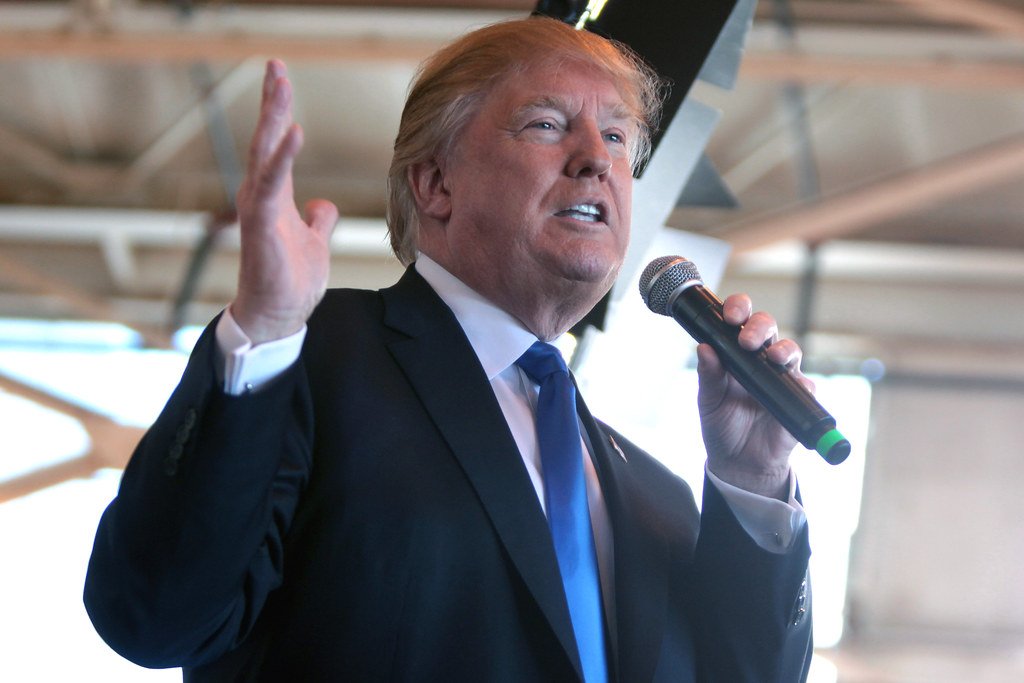
Gage Skidmore/Flickr
Capital One confirmed in a recent court filing that it closed more than 300 bank accounts tied to President Donald Trump in 2021 after flagging suspicious activity consistent with money laundering. The revelation comes amid a lawsuit from Trump alleging the closures were politically motivated following the 2021 Capitol attack.
Background of the Lawsuit and Account Closures
Shortly after Trump’s second inauguration, one of his financial holding companies sued Capital One, claiming the bank unlawfully shut down his accounts to punish him politically. Trump’s legal team has expanded the lawsuit in July 2026, asserting that Capital One, along with other major banks, engaged in a coordinated effort to “debank” Trump and his associated businesses due to political bias.
Capital One has vigorously denied these allegations, stating that the account closures were the result of a months-long internal investigation by its anti-money laundering (AML) team. The bank emphasizes that its decision was based solely on regulatory compliance and risk management, devoid of political considerations.
Capital One’s Anti-Money Laundering Review Process
According to the bank’s court filing, the decision to close Trump’s accounts followed extensive scrutiny by Capital One’s AML experts. The flagged activity raised concerns consistent with money laundering, prompting the bank to act in accordance with federal banking regulations and internal policies designed to mitigate financial crime risks.
The bank underscored that it never publicized the closures or the internal process leading to them. Additionally, Capital One allowed Trump and his businesses several months, including multiple deadline extensions, to transition to alternative banking services.
Political Debate Over “Debanking” and Regulatory Actions
The closure of Trump’s accounts has reignited the ongoing political debate over “debanking” — where banks sever ties with customers perceived as risky for legal or reputational reasons. Conservatives have long accused financial institutions of targeting them and their allies for political reasons, a contention amplified in recent years.
President Trump signed an executive order in August 2025 titled “Guaranteeing Fair Banking for All Americans,” aimed at curbing what he called unfair targeting by federal regulators and banks. His administration has also subpoenaed records from major banks to investigate alleged politically motivated debanking practices.
Capital One and JPMorgan Chase, both named in related lawsuits, deny that account closures are politically driven. JPMorgan’s spokesperson stated the bank closes accounts based on risk assessments, not political affiliations, and sometimes with no stated cause.
Impact on Trump’s Business Operations
Before the closures, Trump maintained over 300 accounts with Capital One, linked to various enterprises including golf courses, wineries, and other Trump-branded properties. The banking relationship had lasted more than a decade, highlighting the significance of the account terminations for Trump’s business operations.
Trump’s legal team insists that Capital One’s actions have caused significant disruption and damage, framing the lawsuit as a challenge to what they describe as “disgraceful conduct” by the bank. The case remains active, with both sides preparing for further legal proceedings in the months ahead.
The controversy over the closure of Trump’s accounts underscores the complex intersection of banking regulations, political influence, and financial risk management in today’s polarized environment.