DOJ Revives Controversial Slush Fund in Maryland IRS Leak Lawsuit
In August, DOJ approved $2.5 million settlement to five plaintiffs, including Trump employees, in Maryland IRS leak lawsuit.
Uploaded image
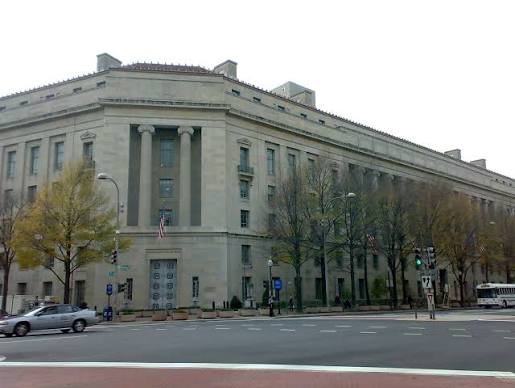
In August, the U.S. Department of Justice (DOJ) quietly reinstated a controversial slush fund strategy in a Maryland lawsuit concerning an Internal Revenue Service (IRS) leak, despite officially ending a similar fund tied to President Donald Trump’s case that same month. The revived fund awarded $500,000 each to five plaintiffs, far exceeding the statutory amount, drawing renewed scrutiny over DOJ’s handling of politically sensitive litigation.
Background of the Original Trump IRS Leak Lawsuit
President Trump initially filed a $10 billion lawsuit over the leak of his tax returns by IRS contractor Charles Littlejohn. The DOJ, under Trump appointees, sought a $1.776 billion fund and an amnesty potentially worth $100 million. Judge Kathleen Williams ruled the arrangement was collusive and lacked legal or factual basis, a decision currently under appeal in the 11th Circuit. This fund, known as the “anti-weaponization” slush fund, faced bipartisan outrage and was officially terminated in August during Todd Blanche’s confirmation hearing as attorney general.
Revival of the Slush Fund in Maryland Case
Despite the public demise of the original fund, the DOJ’s political leadership resurrected the approach in Safe Harbor International LLC v. Booz Allen Hamilton, a consolidated class action brought by five plaintiffs in January 2025. The case alleges negligence by Booz Allen, Littlejohn’s employer, for allowing the leak of tax records. After more than a year of defense by career DOJ attorneys, political appointees Brett Shumate and Joshua Wu took control in August, halting defense efforts and offering a unilateral settlement of $500,000 per plaintiff, totaling $2.5 million.
Controversy Over the Payout and Beneficiaries
The payout amount was 500 times the $1,000 statutory compensation for unauthorized disclosures, without evidence of actual damages. The offer was made without consulting the IRS Office of Chief Counsel, violating standard procedure. The beneficiaries include Shelby Lowman, a golf pro at one of Trump’s clubs, and two other Trump employees, raising concerns about favoritism. Additional plaintiffs later surfaced, including a retired accountant and a former lifeguard at Trump-owned properties, claiming a class size potentially in the tens or hundreds of thousands, which could imply enormous financial exposure if payouts continued at $500,000 each.
Legal and Ethical Implications
The deal has been criticized as lacking merit and legality. A former head of the Tax Division appellate section told ProPublica the settlement “is not passing the smell test.” The core issue mirrors Judge Williams’s findings in the Trump case: the settlement is not bona fide but a politically motivated payout engineered by DOJ leadership abandoning its adversarial role. The deal also waives any right to appeal, further limiting judicial oversight.
This development raises questions about the integrity of the Justice Department and its willingness to prioritize political interests over legal standards, particularly in cases involving President Trump and his associates. The full ramifications of this revived slush fund approach remain to be seen as the Maryland case proceeds.