Dr. Anthony Fauci Invokes Fifth Amendment in Senate Hearing on COVID-19 Origins
Dr. Fauci invoked his constitutional right to remain silent during a tense Senate hearing probing COVID-19 origins and his pandemic role.
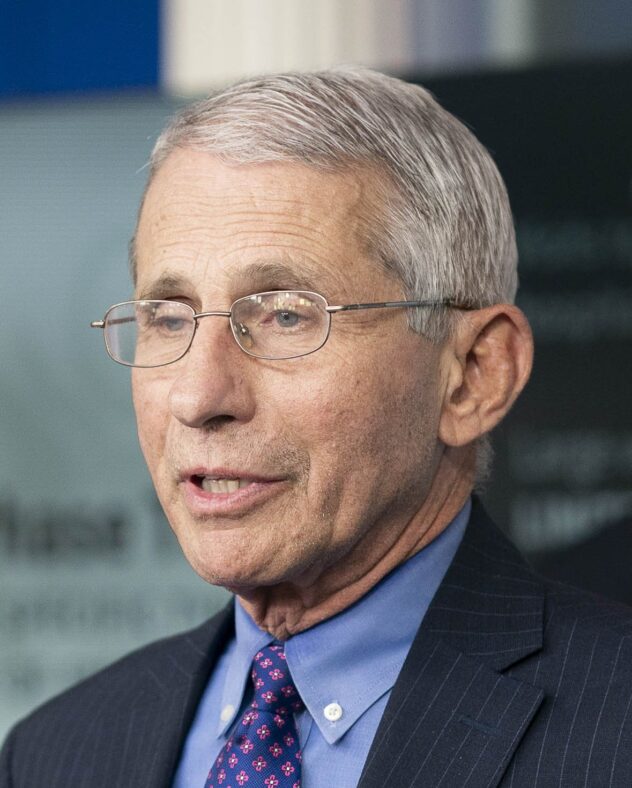
The White House from Washington, DC/Wikimedia Commons
Dr. Anthony Fauci, former director of the National Institute of Allergy and Infectious Diseases, invoked the Fifth Amendment during a Senate Homeland Security and Governmental Affairs Committee hearing on July 29, 2026. The hearing, chaired by Republican Senator Rand Paul, focused on Fauci’s role in the U.S. COVID-19 response and particularly scrutinized his personal journal entries and the origins of the virus. Fauci declined to answer questions, citing legal counsel, amid accusations from Republicans that he misled the public and sought personal fame.
Fauci’s Refusal to Testify: A Constitutional Right
In an opening statement, Dr. Fauci expressed his regret at invoking the Fifth Amendment but said it was necessary due to ongoing legal threats and what he described as Senator Paul’s relentless efforts to discredit him. Fauci noted his long history of cooperation with Congress, having testified or briefed lawmakers over 200 times during his 38-year career. However, he said recent actions, including the public release of his unredacted personal diaries, aimed to intimidate him and force self-incrimination.
“Given Senator Paul’s obvious obsession with calling for my prosecution, his repeated slanderous comments about me, and recently his publicly releasing my unredacted personal diary aimed at embarrassing and intimidating me, the only conclusion I can reach is that the sole reason he is calling me before this Committee is to get me to say something that could vindicate his repeated public pledges that I end up, in his words, ‘behind bars,’” Fauci said.
Republican Senators Press Fauci on COVID-19 Origins and Journals
Senator Rand Paul and other Republicans aggressively questioned Fauci about his journal entries spanning December 2019 through December 2022. Paul focused heavily on whether Fauci had prior knowledge of a March 2020 reopening plan sent to governors by then-President Donald Trump, which Fauci’s diary claimed he was never shown. Senator Ron Johnson challenged Fauci’s diary, asking if Fauci had lied to himself by denying knowledge of the reopening plan. Fauci again declined to answer.
Other Republican senators, including James Lankford, raised questions about the lab-leak theory of COVID-19’s origins, but Fauci refused to comment. After the formal questioning, Fauci’s attorney David Schertler attempted to speak but was cut off and subsequently escorted out by Capitol Police after repeated interruptions.
Democrats Defend Fauci and Criticize Hearing
Democratic members of the committee defended Fauci’s decision to invoke the Fifth Amendment, denouncing the hearing as a political fishing expedition. Ranking member Senator Gary Peters called the hearing “counterproductive,” suggesting it unfairly scapegoated Fauci for a crisis that involved numerous officials across multiple administrations.
Senator Richard Blumenthal described the COVID-19 pandemic as among the darkest periods in U.S. history and criticized Republican efforts to recast Fauci as a villain. Democrats expressed concern that the hearing would discourage public health officials from stepping forward in future crises.
Political and Legal Implications Moving Forward
Fauci’s invocation of the Fifth Amendment marks a rare moment in his long public service career, signaling the intensity of the political pressure surrounding the pandemic’s origins and the government’s response. The hearing underscored deep partisan divides over how the COVID-19 pandemic is remembered and analyzed, particularly in relation to Fauci’s role.
Meanwhile, President Joe Biden preemptively pardoned Fauci and others involved in pandemic-related investigations, including Gen. Mark Milley and members of the Jan. 6 committee, further complicating the political landscape. The Senate committee’s ongoing investigation is likely to continue stirring debate around transparency, accountability, and the politicization of public health.
The hearing ended without substantive answers from Fauci, leaving many questions about the early pandemic response and virus origins unresolved. As the investigation continues, public health experts and lawmakers alike are watching closely for the long-term consequences on trust in government health institutions.