Dr. Phil McGraw Reflects on Lindsay Clancy Mistrial: ‘Nothing to Celebrate’
Dr. Phil McGraw weighs in on the Lindsay Clancy mistrial, emphasizing the tragedy of lost children and the need for understanding mental illness.
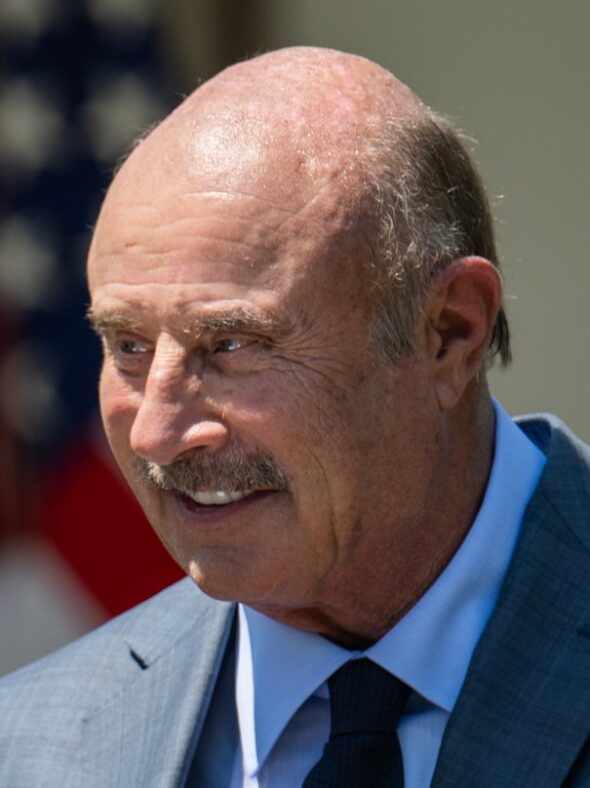
The White House/Wikimedia Commons
Television personality Dr. Phil McGraw shared his perspective on the recent mistrial in the Lindsay Clancy case, cautioning that the outcome is far from a victory. On September 5, 2026, a jury in Massachusetts failed to reach a unanimous verdict regarding Clancy’s involvement in the tragic deaths of her three children. Dr. Phil urged the public and media to keep the focus on the victims and the underlying mental health issues tied to the case.
The Tragedy of Lost Innocent Lives
Dr. Phil McGraw, known for his work discussing mental health and human behavior, emphasized that the real attention should be on Clancy’s three children—Cora, aged five, Dawson, aged three, and Callan, eight months old. “Three innocent children did lose their lives, and you can never explain these situations away simply,” he told Fox News. McGraw expressed frustration that public discourse often drifts away from the victims toward speculation and blame.
He said, “I hate we are focusing everywhere except on Clancy’s children. There are a lot of fingers to point, but now’s not the time to do that.” The deaths of these young children remain the central tragedy amid the complex legal and mental health questions surrounding the case.
Mental Illness and the Courtroom Debate
The case has drawn attention to mental illness, with Clancy’s defense arguing that she suffered from bipolar disorder and postpartum psychosis at the time of the killings in January 2023. Following the murders, Clancy attempted suicide and sustained injuries that left her paralyzed from the waist down.
Dr. Phil expressed concern about how mental illness is often politicized during court proceedings. “It becomes kind of a political, ideological football that’s used to try to skew something or is kind of debunked by another side rather than looking at what actually took place,” he explained. He urged a more compassionate and nuanced understanding of the psychiatric factors involved.
Understanding Psychosis and Accountability
While acknowledging the severity of Clancy’s actions, Dr. Phil stressed that psychosis is a powerful and often underestimated force. “People underestimate the power of psychosis in taking over someone’s life,” he said. He compared it to a physical brain condition, explaining that if Clancy’s behavior stemmed from a brain tumor, it would be easier for people to understand the cause.
“I’m not excusing what she did in any way,” McGraw added. “I think she should be held fully accountable, but I think we need to understand causation.” He noted that even if Clancy is not criminally convicted, she will not be released, likely spending the rest of her life in a psychiatric facility.
A Psychiatric Emergency and a Call for Systemic Change
Describing the case as a “psychiatric emergency that wasn’t treated as such,” Dr. Phil questioned whether enough was done to help Clancy before the tragedy. She had sought help and voluntarily admitted herself to a hospital, but the outcome shows significant gaps in mental health care and intervention.
“There’s nothing to be celebrated here,” McGraw said. “If there’s any lesson to be taken for our culture, it’s that there was a failure here. This was a woman who asked for help. Was that enough?” His reflection highlights ongoing challenges in addressing mental illness and preventing similar tragedies in the future.
The Lindsay Clancy mistrial has reignited debate on mental health, legal responsibility, and the support systems for individuals in crisis. Dr. Phil’s comments underscore the complexity of these issues and the need for compassion as the legal process continues.