Expert Raises Concern Over President Trump’s Body Twitches During UN Speech
A medical expert flagged unusual body twitches in President Trump’s 2026 UN speech, sparking health and political discussions.
NASA/Bill Ingalls/NASA
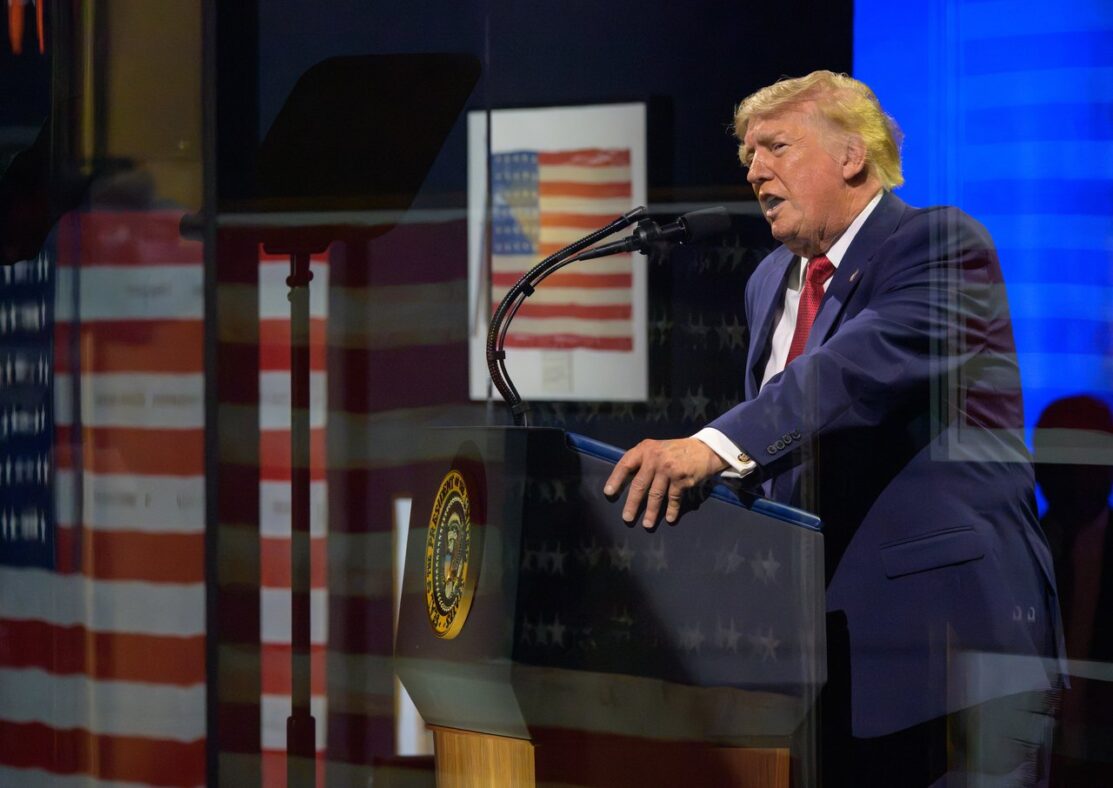
During President Donald Trump’s September 2026 address to the United Nations General Assembly, an expert specializing in neurological disorders observed what they described as “very alarming” involuntary body twitches. The brief but noticeable movements sparked widespread debate about the president’s health and drew attention from both political analysts and medical professionals nationwide.
Details of the Observed Twitching During the UN Speech
President Trump’s speech, delivered live from New York City on September 22, 2026, focused on global security, economic partnerships, and climate initiatives. While the content dominated headlines, some viewers and analysts quickly noted subtle but recurrent muscle twitches, primarily affecting the president’s face and hands. The movements lasted intermittently throughout the 20-minute address.
Neurologist Dr. Evelyn Chen, who has consulted for several political figures, reviewed the footage and noted that the twitches could indicate underlying neurological issues. “These involuntary movements are not typical for someone in such a high-stress public speaking situation,” said Dr. Chen. “They warrant careful medical evaluation to rule out conditions like essential tremor, early Parkinsonian symptoms, or other neurological disorders.” She emphasized that public leaders’ health is vital given the physical and mental demands of their roles.
Public and Political Reactions to the Health Concerns
The expert’s comments quickly spread on social media and news platforms, sparking a wave of speculation about President Trump’s well-being. Supporters defended the president, attributing the twitches to normal stress or fatigue, while critics called for transparency regarding his health status.
Political commentators noted that given President Trump’s active schedule and the ongoing tensions in global affairs, any sign of health concerns could influence both domestic and international perceptions of U.S. leadership. Some Republicans expressed cautious optimism that the president would address these concerns directly, while Democrats urged for full disclosure to ensure national security was not compromised.
Context of Presidential Health Transparency in Recent Years
Historically, U.S. presidents’ health has been a sensitive topic, with varying degrees of transparency. President Trump’s first term featured periodic health updates, but critics argued they lacked detail. In his second term, health issues have drawn more scrutiny as President Trump has maintained a rigorous international and domestic agenda.
Experts say that visible symptoms such as twitches can provide important clues but do not necessarily point to serious illness. “Many factors, including medication side effects, stress, or temporary neurological disruptions, can cause such symptoms,” said Dr. Chen. “Nonetheless, full medical assessments are essential to determine the cause.” This incident adds to a growing conversation about the importance of regular, thorough health disclosures for elected officials.
What Experts Recommend Moving Forward
Medical professionals urge a balanced approach, recommending that President Trump’s medical team conduct comprehensive neurological evaluations to clarify the cause of the twitches. Transparency in sharing relevant health information with the public is also encouraged to maintain confidence in leadership.
In addition, experts highlight the value of ongoing monitoring of any new symptoms, especially given the physical and cognitive demands on a sitting president. The White House has yet to comment officially on the expert’s observations or announce any planned health updates since the UN address.
As the nation watches closely, the focus remains on President Trump’s ability to fulfill his presidential duties while addressing any potential health issues with openness and care.