Federal Agents Showed Up at Several NYT Journalists’ Homes to Force Them to Testify Before a Grand Jury
Federal agents appeared at New York Times reporters’ homes to deliver subpoenas tied to Air Force One reporting, sparking press freedom debates.
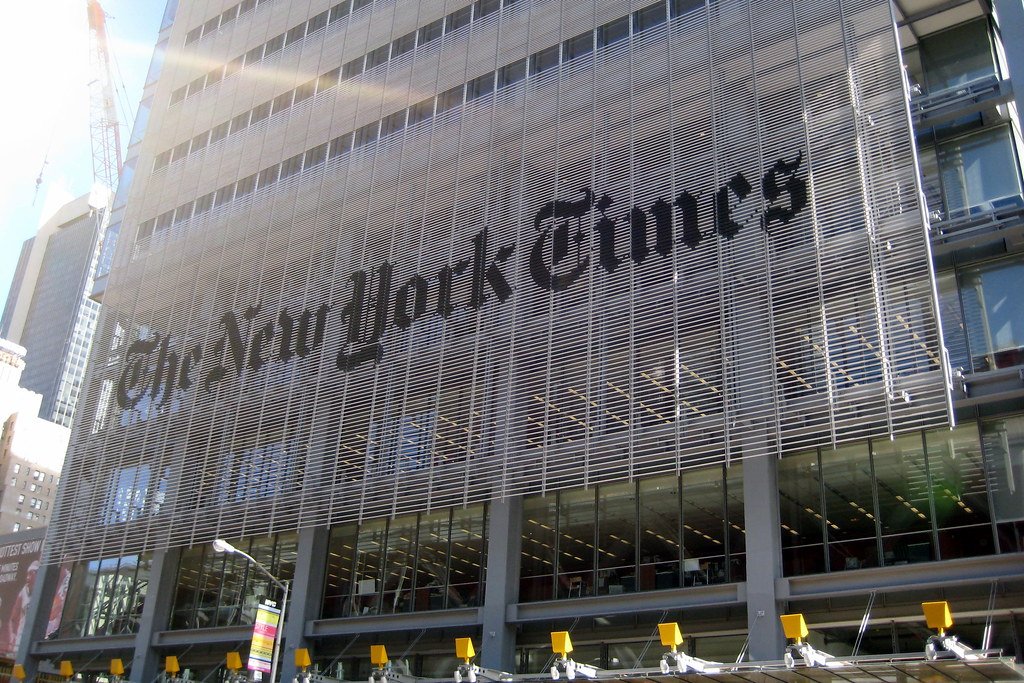
wallyg/Flickr
Federal agents served subpoenas to four New York Times journalists at their homes on July 11, 2026, compelling them to testify before a federal grand jury in Manhattan. The subpoenas are connected to the reporters’ recent coverage of security issues involving Air Force One, igniting renewed tensions over government demands on journalists and press freedom.
Details of the Subpoenas and Reporting
The Justice Department’s subpoenas targeted New York Times reporters Julian E. Barnes, Eric Lipton, Tyler Pager, and Eric Schmitt following their July 9 article that revealed security concerns about the presidential aircraft. The reporting disclosed that the Secret Service advised then-President Donald Trump to fly home from the NATO summit in Turkey on an older Air Force One plane rather than the newer Boeing 747 donated by Qatar, citing deficiencies in the newer aircraft’s defensive systems. A subsequent report detailed that the donated plane lacked certain protective features found in the older model.
Federal agents reportedly delivered some subpoenas in person at the journalists’ residences during the evening of July 11. According to The New York Times, the subpoenas seek to compel testimony before a Manhattan grand jury about an alleged violation of federal criminal law tied to the leak of sensitive information. However, the exact legal statutes invoked have not been publicly disclosed.
Government Actions and Journalistic Pushback
Before the story’s publication, a senior FBI official reportedly requested that a Times reporter and editor delay the article’s release and disclose their sources, a request both declined. The New York Times’ senior vice president and deputy general counsel, David McCraw, criticized the government’s use of subpoenas as an intimidation tactic aimed at chilling investigative journalism and reporting on government operations.
The subpoenas were issued by U.S. Attorney Jay Clayton’s office in the Southern District of New York, a jurisdiction known for handling high-profile cases involving national security and government leaks. Key questions remain unanswered, including whether the reporters will challenge the subpoenas in court and whether prosecutors seek unpublished materials or just source testimony.
Press Freedom Experts Warn of Dangerous Precedent
Press freedom advocates have voiced concerns over the Justice Department’s move, arguing it breaks with long-standing norms designed to protect journalists from forced testimony. Bruce D. Brown, president of the Reporters Committee for Freedom of the Press, stated that the subpoenas represent a departure from established DOJ policies that require prosecutors to pursue alternative avenues before compelling journalists to reveal confidential information.
The Reporters Committee highlighted historical context, noting its founding in 1970 amid government efforts to compel reporters to disclose sources, including a notable case involving New York Times reporter Earl Caldwell. The group also referenced ongoing legal battles earlier in 2026 related to Pentagon press restrictions, underscoring a broader pattern of government challenges to press freedoms.
Implications for Journalists and National Security Reporting
The unfolding dispute in Manhattan federal court signals a critical test of how aggressively prosecutors will pursue leak investigations that involve national security reporting. While no court rulings have yet been issued regarding the subpoenas, the case raises urgent questions about the balance between government secrecy and the public’s right to know.
For readers and residents in New York and across the country, the situation highlights the precarious position journalists occupy when covering sensitive government matters. The outcome could shape future policies on source protection and press access, impacting investigative journalism nationwide.
As this case develops, the Mount Olive Chronicle will continue to monitor and report on the legal and press freedom ramifications for journalists in North Carolina and beyond.