Federal Judge Blocks Trump’s Latest Birthright Citizenship Order
A federal judge blocked President Trump’s second executive order limiting birthright citizenship, reaffirming the 14th Amendment rights.
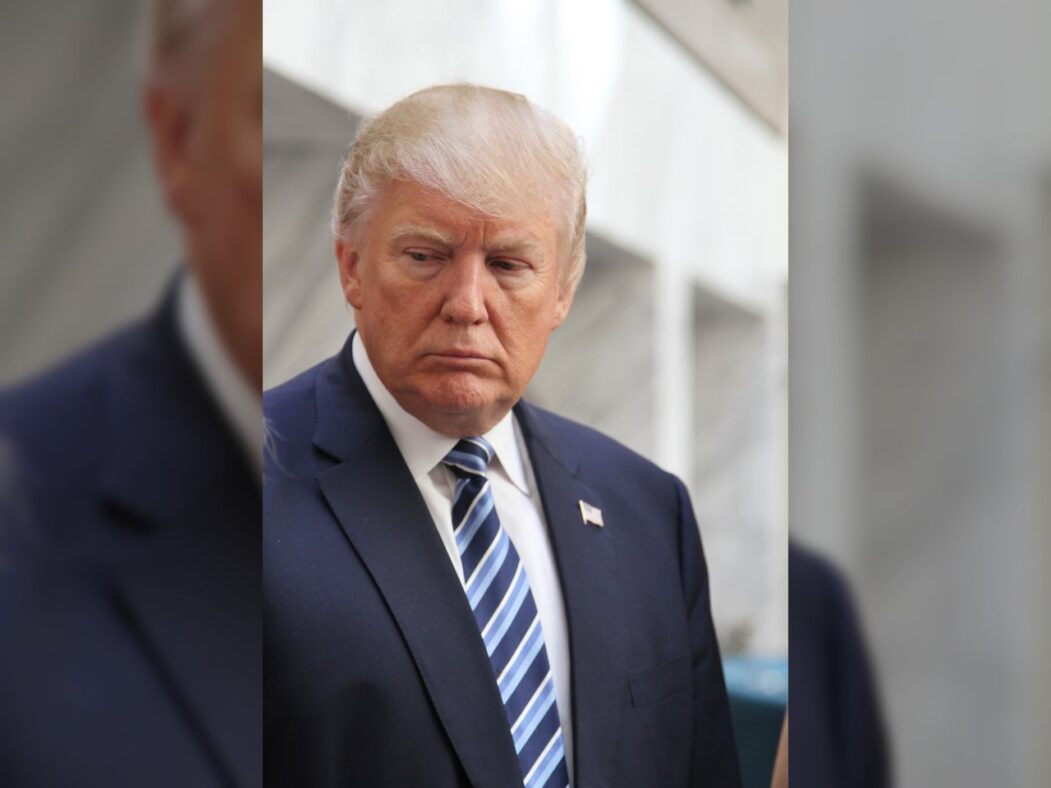
Gedalia Vera/Wikimedia Commons
A federal judge has blocked President Donald Trump’s second attempt to restrict birthright citizenship, striking down his latest executive order issued after a Supreme Court ruling affirmed the 14th Amendment’s citizenship guarantee. The ruling came Wednesday from U.S. District Judge Christopher R. Cooper, who emphasized that the president cannot unilaterally carve out new exceptions to citizenship for children born in the United States.
Judge Cooper’s Ruling Reinforces Supreme Court Decision
Judge Cooper wrote that the ink on the Supreme Court’s decision affirming birthright citizenship “had scarcely dried” when President Trump issued his second executive order to further limit who qualifies for citizenship at birth. Cooper’s injunction applies broadly, certifying a class of plaintiffs including “children who are or will be unlawfully denied citizenship” under Trump’s latest order.
Highlighting the legal foundation, Cooper cited the 14th Amendment’s Citizenship Clause stating that “all persons born or naturalized in the United States, and subject to the jurisdiction thereof, are citizens of the United States and of the state wherein they reside.” He underscored that citizenship is a fundamental right “deeply rooted in our legal tradition,” quoting the Supreme Court’s 1958 decision in Perez v. Brownell: “Citizenship is man’s basic right for it is nothing less than the right to have rights.”
Background: Supreme Court’s June Decision and Trump’s Response
In June, the Supreme Court issued a divided ruling confirming that children born in the U.S. to parents who are “unlawfully or temporarily present” are subject to U.S. jurisdiction and thus citizens at birth. One month later, President Trump responded by issuing two executive orders attempting to circumvent this ruling.
His orders targeted children born to employees of foreign governments, children of mothers accused of misrepresenting their intentions while pregnant, children of parents accused of terrorism, and newborns in U.S. territories. However, the Supreme Court reaffirmed that birthright citizenship applies broadly, with only three narrow, longstanding exceptions: children of foreign diplomats with immunity, children of enemy forces in hostile occupation, and children born aboard foreign public ships.
Administration’s Position and Legal Challenges
White House Chief of Staff Stephen Miller is among administration officials and Republican allies advocating to redefine the 14th Amendment’s birthright citizenship clause. Despite these efforts, Judge Cooper’s order follows a lawsuit brought by the American Civil Liberties Union and other groups representing those affected by Trump’s executive orders.
ACLU Immigrants’ Rights Project Deputy Director Cody Wofsy responded to Cooper’s ruling by saying, “Enough is enough.” He pointed out that the Supreme Court has twice rejected attempts to undermine birthright citizenship, “in 1898 and again earlier this year,” adding, “Third time is not the charm, and the president needs to accept that birthright citizenship is the law of the land.”
Legal and Social Implications of the Ruling
Judge Cooper emphasized that the Citizenship Clause promises citizenship to nearly all children born in the United States. The ruling not only protects the rights of those born on U.S. soil but also reinforces the constitutional limits on presidential authority to alter established citizenship laws by executive order.
The ruling thus prevents the administration from enforcing Trump’s latest restrictions and maintains the legal precedent set by the Supreme Court earlier this year, reinforcing the constitutional protection of birthright citizenship against unilateral executive actions.
This decision marks a significant reaffirmation of the 14th Amendment’s Citizenship Clause by the federal judiciary amid ongoing political efforts to alter its interpretation. The legal battle over birthright citizenship continues to be a key flashpoint in national immigration and constitutional debates.
President Trump’s attempts to limit birthright citizenship face substantial judicial resistance, underlining the constitutional protections that govern citizenship rights for children born in the United States.