Fired Stars and Stripes Journalists Sue Pentagon Over Suppression Allegations
Three Stars and Stripes journalists sue Defense Secretary Pete Hegseth, alleging retaliation for upholding editorial independence.
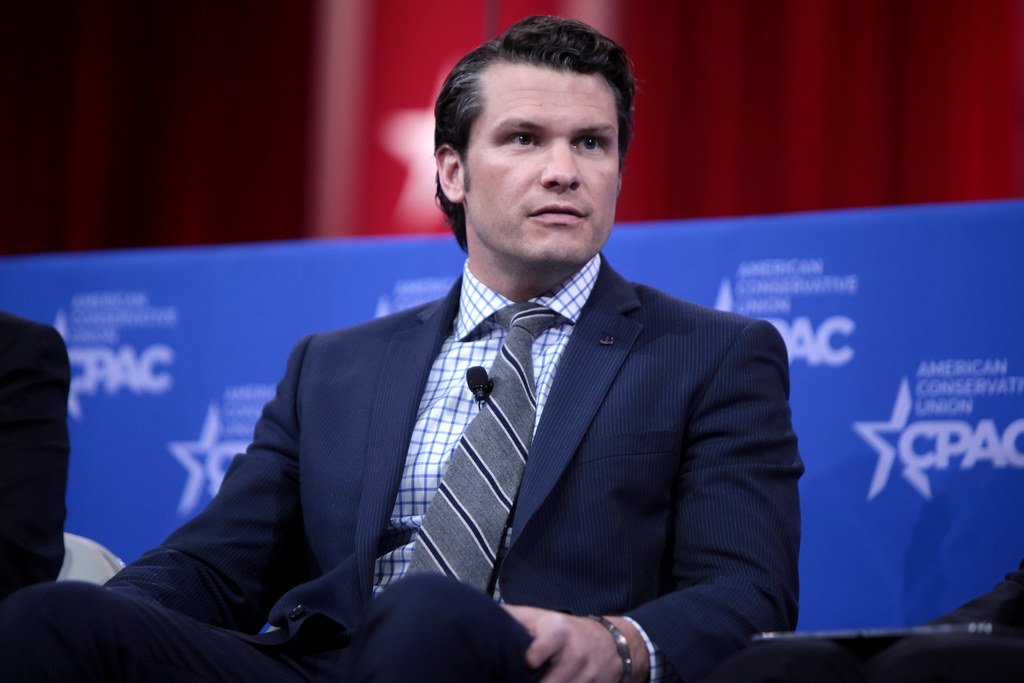
Gage Skidmore/Flickr
Three journalists from the military newspaper Stars and Stripes filed a federal lawsuit on August 27, 2026, accusing Defense Secretary Pete Hegseth and other Pentagon officials of attempting to terminate them in retaliation for defending the outlet’s editorial independence and exposing deteriorating conditions aboard the USS Abraham Lincoln. The suit, filed in Washington, D.C., seeks to block their firing and challenges what they describe as an ideological crackdown within the publication.
Lawsuit Details Alleged Retaliation and Editorial Suppression
The 45-page civil complaint names publisher Max Lederer, editor-in-chief Erik Slavin, and reporter Lara Korte as plaintiffs, claiming Pentagon officials are seeking to silence dissenting voices at Stars and Stripes by firing those who oppose an imposed ideological purity test. The lawsuit states that the defendants targeted the journalists after they spoke out as private citizens in support of press freedoms and published a report on worsening living conditions aboard the USS Abraham Lincoln during its extended deployment in the Middle East.
According to the complaint, the Pentagon’s efforts to remove these journalists were driven by retaliation against their editorial decisions and opposition to political interference within the newspaper. The plaintiffs argue that their termination notices, citing insubordination, came after Slavin and Korte participated in a CBS News interview highlighting growing Pentagon control over Stars and Stripes. Lederer, who refused to fire them, also received a termination notice.
Claims of Ideological Tests and Political Pressure
The suit further alleges that job applicants at Stars and Stripes were questioned about their willingness to support former President Donald Trump’s agenda, signaling an effort to enforce ideological conformity within the publication. The plaintiffs contend these actions sought to limit coverage of topics disfavored by the Department of Defense and the Trump administration, curbing free speech and press independence.
The journalists accuse Hegseth, Pentagon spokesman Sean Parnell, and other officials of violating their First Amendment rights by punishing them for expressing personal views as private citizens. This, they say, contradicts the fundamental mission of Stars and Stripes to provide impartial news coverage to service members without political interference.
Broader Implications for Military Journalism
The lawsuit shines a spotlight on ongoing tensions between military leadership and independent journalism within government-funded media outlets. Stars and Stripes has historically prided itself on editorial independence, but the complaint suggests recent Pentagon actions threaten that tradition.
Experts warn that such developments could have a chilling effect on military journalism nationwide, discouraging reporters from investigating or publishing critical stories about military operations and conditions. The plaintiffs’ legal challenge may therefore have implications that extend beyond their own employment dispute.
Next Steps and Legal Proceedings
The lawsuit seeks an injunction to prevent the plaintiffs’ termination and demands recognition of their constitutional rights. As the case proceeds in federal court, it will test the balance between Pentagon oversight and journalistic freedom within a key military news outlet.
Defense Department representatives have not publicly responded to the lawsuit as of August 28, 2026. Observers anticipate intense legal and political debate over the future of press freedom in military contexts.
The outcome of this case could redefine editorial policies at Stars and Stripes and set precedent for how government-funded media handle political pressure and employee protections moving forward.