Kenya Refugee Camp Documents May Impact Ilhan Omar’s Federal Immigration Case
Documents from a Kenya refugee camp completed by Ilhan Omar’s father may be central to a federal immigration fraud case against the Minnesota congresswoman.
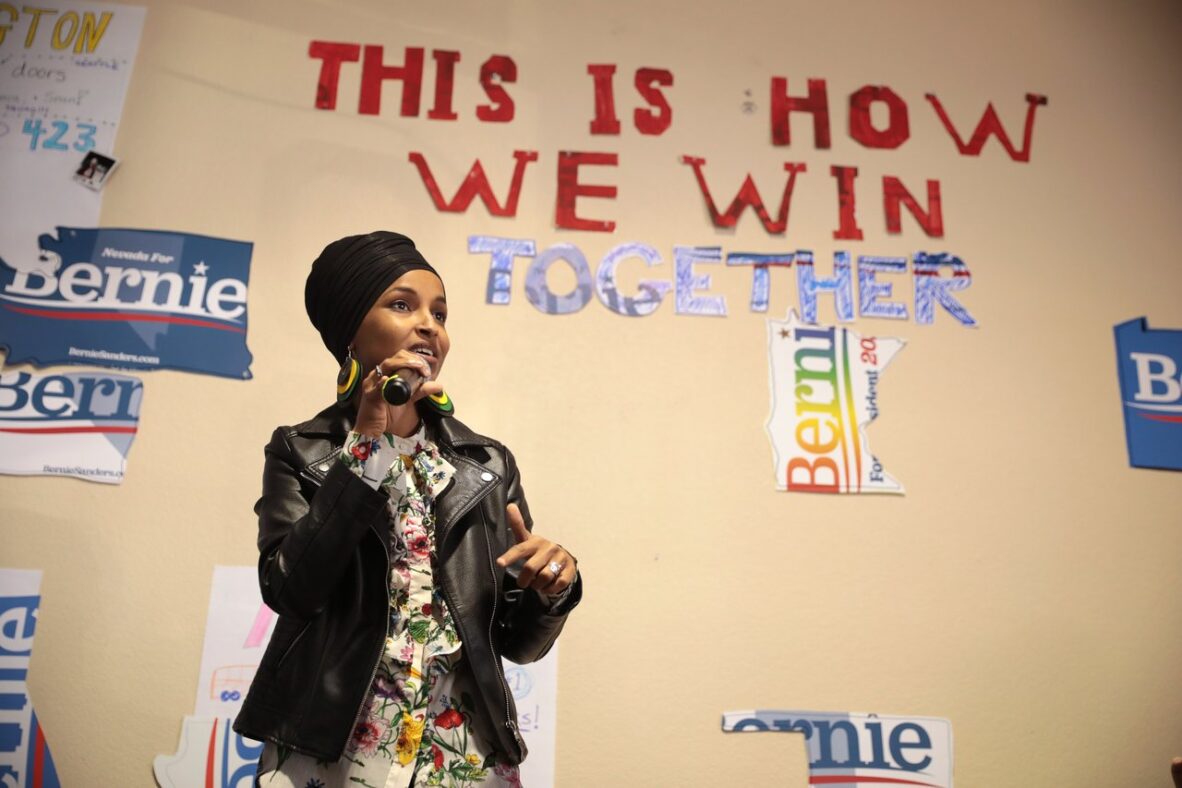
Gage Skidmore from Surprise, AZ, United States of America/Wikimedia Commons
Documents completed by Ilhan Omar’s father at a refugee camp in Kenya are reportedly a key element in the federal immigration fraud investigation against the Minnesota congresswoman. Federal authorities are examining records that may contradict Omar’s stated birth date and identity, potentially dating back to 1980, two years before her claimed birth year.
Background of the Investigation and Refugee Documents
Ilhan Omar, who claims to be 44 years old, spent four years living in makeshift shelters in Africa after fleeing Somalia’s civil war, before immigrating to the United States in 1995. The investigation into her immigration status includes heavily redacted documents obtained in a raid of her Washington, D.C. home. These documents reportedly show that authorities are probing potential crimes as far back as 1980 and list Omar under the name Ilhan Nur Said Elmi.
Sources have indicated that the federal probe traces back to United Nations records from the refugee camp in Kenya, which would have recorded the name and birth date given by Omar’s father at the time. The UN High Commission for Refugees (UNHCR) confirmed it registered Somali refugees arriving in Kenya after the Somali civil war began in 1991, although it noted that some refugees might not have been fully captured in the registration process.
Potential Discrepancies in Birth Date and Identity
Ilhan Omar does not have a birth certificate due to the instability in Somalia, making refugee documents potentially critical in verifying her identity. A Somali-born historian and anthropologist, Mohamed Haji Ingiriis, who has researched the Somali refugee crisis extensively, believes Omar’s father did register himself and his children at the Utange refugee camp in Mombasa, Kenya. Ingiriis suggests that if the Department of Justice obtains these files, they could determine Omar’s real age and other details about her early life.
Ingiriis added that it is common for Somalis to reduce their age by nearly three years for cultural reasons, a practice he has encountered as an expert for UK immigration courts. He stated, “If the DOJ has evidence of a different name and date of birth, Ilhan is caught red-handed.”
Federal Allegations and Legal Developments
The redacted search warrant indicates federal prosecutors are pursuing an immigration fraud case against Omar spanning decades. One filing states, “The United States believes Ilhan has committed [redacted] crimes over decades — beginning long before she was ever in Congress,” while clarifying the case is unrelated to her professional life in Congress.
Prosecutors have also reopened investigations into Omar’s second marriage to Ahmed Nur Said Elmi, a British national suspected of being her brother who has recently described himself as a gay man in academic papers. The case involves offices from the DC US Attorney’s Office and the Minnesota US Attorney’s Office.
Sources have said the investigation is examining whether Omar misrepresented her birth date as October 4, 1982, instead of an earlier year, to obtain citizenship when her father naturalized in 2000. Prosecutors have referred to her by the alternative name “Ilhan Nur Said Elmi, a/k/a Ilhan Abdullahi Omar,” which matches the surname of her second husband.
Implications for Ilhan Omar and Ongoing Federal Probe
The possible discrepancies in Omar’s identity and birth date could have significant legal implications if federal authorities prove immigration fraud. The documents from the refugee camp, combined with other evidence gathered in the investigation, may be pivotal in determining the outcome of the case.
Ilhan Omar has not responded to requests for comment regarding the investigation, which continues as federal prosecutors build their case. The probe remains focused solely on immigration issues and does not pertain to her activities as a member of Congress.
As this federal case develops, the coming weeks and months may provide further clarity on the allegations and the evidentiary role of refugee camp documents in Kenya related to Omar’s early life and immigration status.
Ongoing coverage will monitor the legal process and its potential impact on the Minnesota congresswoman’s career and public standing.