Legal Expert Slams Jeanine Pirro’s Excuse After Dropping High-Profile Case
Legal analyst Eli Honig sharply criticizes Jeanine Pirro’s claim that career staff dropped the case against David Hearn without her knowledge.
Michael Vadon/Flickr
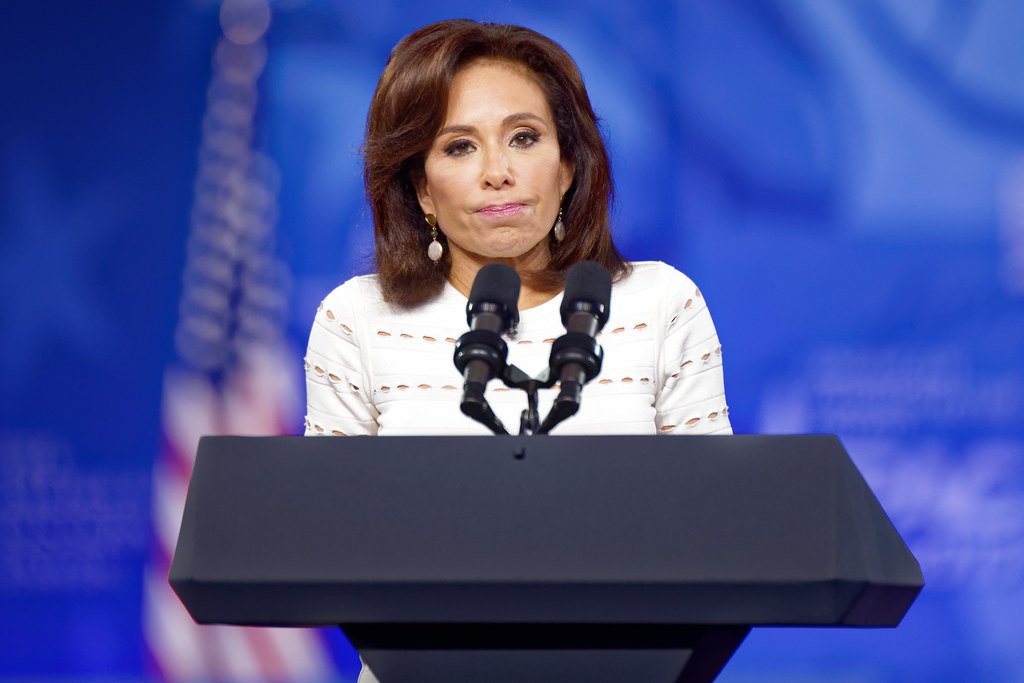
Legal expert Eli Honig expressed shock Monday night following Jeanine Pirro’s explanation for her controversial decision to drop the vandalism prosecution against Olympic canoeist David Hearn. Over the weekend, reports surfaced that Pirro blamed a career prosecutor in the U.S. Attorney’s Office in Washington, D.C., for the case’s collapse, denying her direct involvement. The revelation sparked fierce backlash from legal observers and political figures alike amid mounting pressure on Pirro.
Legal Analyst Rejects Pirro’s Claim of Ignorance
During a panel discussion on CNN’s “The Source,” Eli Honig, a former federal prosecutor and current CNN legal analyst, dismissed Pirro’s assertion that she was unaware when the case against Hearn was dismissed. Honig, who has firsthand experience as a career official, argued that such a high-profile dismissal could not have occurred without the U.S. attorney’s knowledge or approval.
“There is no way on this earth, having been one of those career officials, that when your U.S. attorney calls a press conference like that, that’s covered on national news, you would then go and dismiss the case without looping in the U.S. attorney,” Honig said emphatically. “That’s a firable offense. So I do not buy that was done without her knowledge for one second.” His comments underscore the gravity of the situation and cast doubt on Pirro’s credibility.
Trump Expresses Frustration Over Case Collapse
Jeanine Pirro’s decision to drop the vandalism case reportedly infuriated former President Donald Trump, who publicly criticized her during a Monday press conference. Trump accused Pirro of “folding like an umbrella,” indicating his disappointment and frustration with her handling of the prosecution. The case had been widely regarded as a signature legal battle, making its sudden demise all the more contentious.
The vandalism charges against David Hearn, an Olympic canoeist, had drawn national attention, and the prosecution’s abrupt end raised questions about political interference and internal conflicts within the Department of Justice. Trump’s harsh remarks suggest that the case’s outcome may have broader political implications beyond the courtroom.
Unusual White House Visit Adds to Speculation
Adding fuel to the fire, cameras captured Jeanine Pirro arriving at the White House Monday evening alongside Interior Secretary Doug Burgum. The unexpected visit has prompted speculation about behind-the-scenes discussions related to the case and Pirro’s future role within the administration or legal community.
Details about the meeting remain unclear, but political insiders suggest it could be an attempt to manage the fallout from the case dismissal or to coordinate a strategic response to the growing controversy. The optics of the visit reinforce the high stakes surrounding this unfolding story.
Implications for Pirro’s Career and DOJ Integrity
The backlash against Pirro’s excuse and handling of the Hearn case raises serious questions about accountability and ethical standards within the U.S. Attorney’s Office. Legal experts warn that such public disputes may erode trust in the justice system and damage Pirro’s professional reputation.
Observers note:
- Career prosecutors typically maintain strict protocols on case management and communications.
- Dismissals of high-profile cases without the U.S. attorney’s consent are virtually unheard of.
- Such controversies can prompt internal investigations and personnel changes.
As the situation develops, attention will focus on whether further evidence emerges clarifying Pirro’s role and whether disciplinary actions may follow.
The fallout from the dropped vandalism case continues to reverberate through legal and political circles, with questions about transparency and responsibility at the forefront. Jeanine Pirro’s explanation has failed to convince key legal figures, leaving her future and the integrity of the case in doubt.