Liberal circuit judge slams SCOTUS conservatives, says Hawaii will defy high court
Hawaii’s top court justice sharply condemns the Supreme Court’s conservative rulings, pledging state courts will protect constitutional rights.
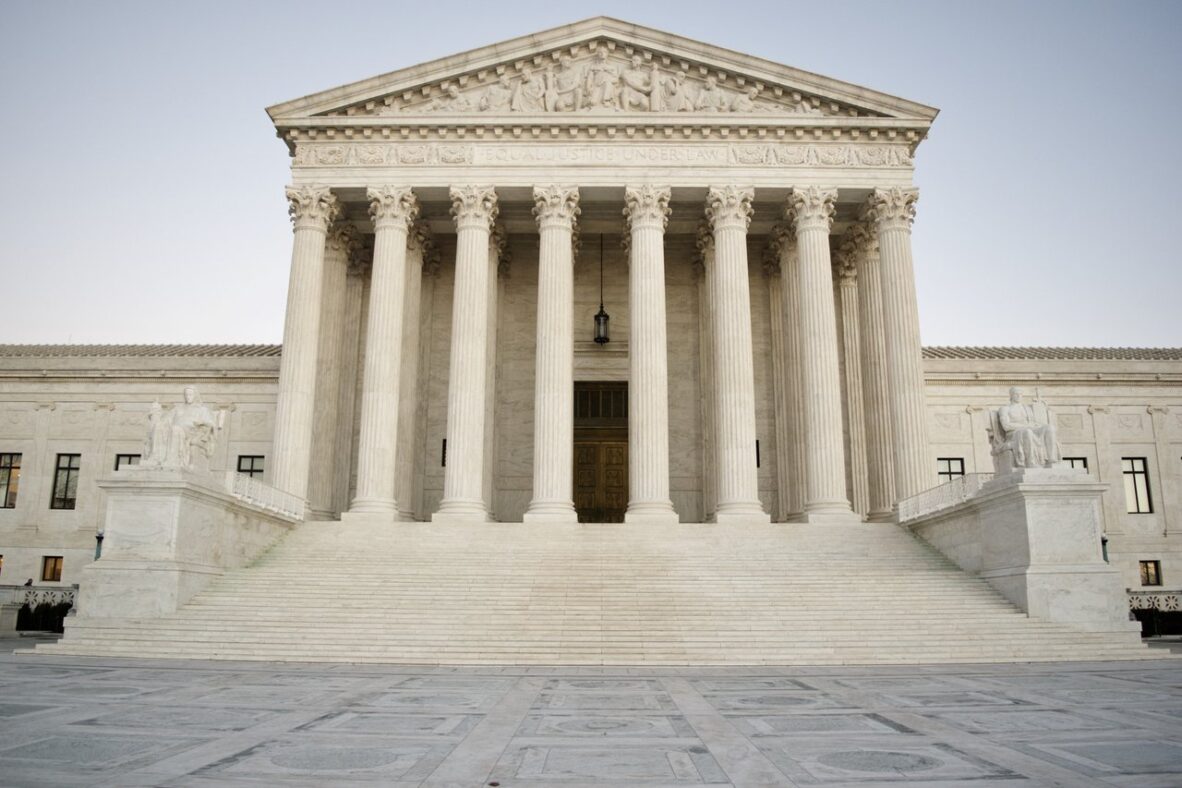
Jesse Collins/Wikimedia Commons
Hawaii Supreme Court Justice Todd Eddins issued a forceful condemnation of Chief Justice John Roberts and the conservative majority of the U.S. Supreme Court in a landmark 2026 ruling. Writing the majority opinion in a case overturning a 1990 criminal conviction, Eddins argued Hawaii courts will reject the Supreme Court’s approach, which he said undermines constitutional rights and damages democracy.
Case Overturns Old Conviction Using Discredited Forensic Science
The ruling in State v. Granillo centered on a Maui man convicted in 1990 of kidnapping and sexual assault. The Hawaii Supreme Court ordered a new trial after determining that the FBI expert’s hair and fiber testimony relied on forensic methods now widely discredited. The 91-page opinion, issued July 15, 2026, not only addressed the evidentiary issues but also included a pointed critique of the Roberts court’s legal philosophy.
Unprecedented Criticism of Roberts Court and Its Conservative Majority
Justice Eddins dedicated nearly eight pages of the opinion to a rare and scathing rebuke of the U.S. Supreme Court’s conservative bloc. He accused the Roberts court of abandoning landmark civil rights precedents and advancing a political agenda that weakens constitutional protections for citizens.
“When six justices walk away from those they are supposed to protect, state constitutions hold the line,” Eddins wrote, referencing the six conservative justices on the high court. “That is not defiance. That is the design.” He insisted that Hawaii’s constitution offers stronger safeguards than the federal constitution as currently interpreted by the Supreme Court.
Linking Current Supreme Court Decisions to Historic Injustice
Eddins cited pivotal Supreme Court cases such as Brown v. Board of Education (1954) and sharply contrasted them with discredited rulings like Dred Scott v. Sandford (1857) and Plessy v. Ferguson (1896). He argued the Roberts court’s originalist interpretation echoes the latter decisions, which upheld racial segregation and denied citizenship to Black Americans.
“The Court that now defines federal due process does not honor the work of 1954,” Eddins wrote. “It revives the work of 1857. The work of 1896.” He accused the court of adopting a “colorblind” reading of the Equal Protection Clause that ignores the amendment’s original intent to protect formerly enslaved Black Americans, saying, “The Roberts Court sees only white.”
Broader Impact: Erosion of Rights and Democratic Institutions
The opinion referenced several landmark decisions from the Roberts court that Eddins said illustrate a broader pattern of dismantling democratic safeguards. These included:
- Dobbs v. Jackson Women’s Health Organization, which overturned federal abortion rights;
- Citizens United v. FEC, expanding corporate campaign spending;
- Rucho v. Common Cause, limiting judicial intervention on partisan gerrymandering;
- Trump v. United States, involving presidential immunity;
- New York State Rifle & Pistol Association v. Bruen, expanding Second Amendment rights.
Eddins contended these rulings have increased governmental and corporate power while reducing individual protections. “A court that systematically dismantles democratic safeguards, steamrolls constitutional liberties, and tramples human dignity does not chart the course for the Hawaiʻi Constitution,” he wrote.
State Courts as a Bulwark Against Federal Overreach
Justice Eddins’ opinion sends a clear message that Hawaii’s judiciary will not defer to the U.S. Supreme Court’s conservative rulings when they conflict with stronger state constitutional rights. This stance aligns with a growing trend among some state courts seeking to uphold civil liberties despite restrictive federal interpretations.
The ruling has already sparked debate among legal scholars and observers, many noting its unusually direct critique of the nation’s highest court within a state court opinion. Whether other states will follow Hawaii’s example remains to be seen as conservative influence continues at the federal level.
Justice Eddins’ forceful language underscores ongoing tensions between state and federal courts over constitutional interpretation and highlights the critical role of state judiciaries in protecting civil rights in the current legal landscape.