Migrants Halt U.S. Crossings, Choosing Mexico as New Destination in 2026
A sharp decline in U.S. border crossings has migrants settling in Mexico, reshaping migration patterns and local shelter needs.
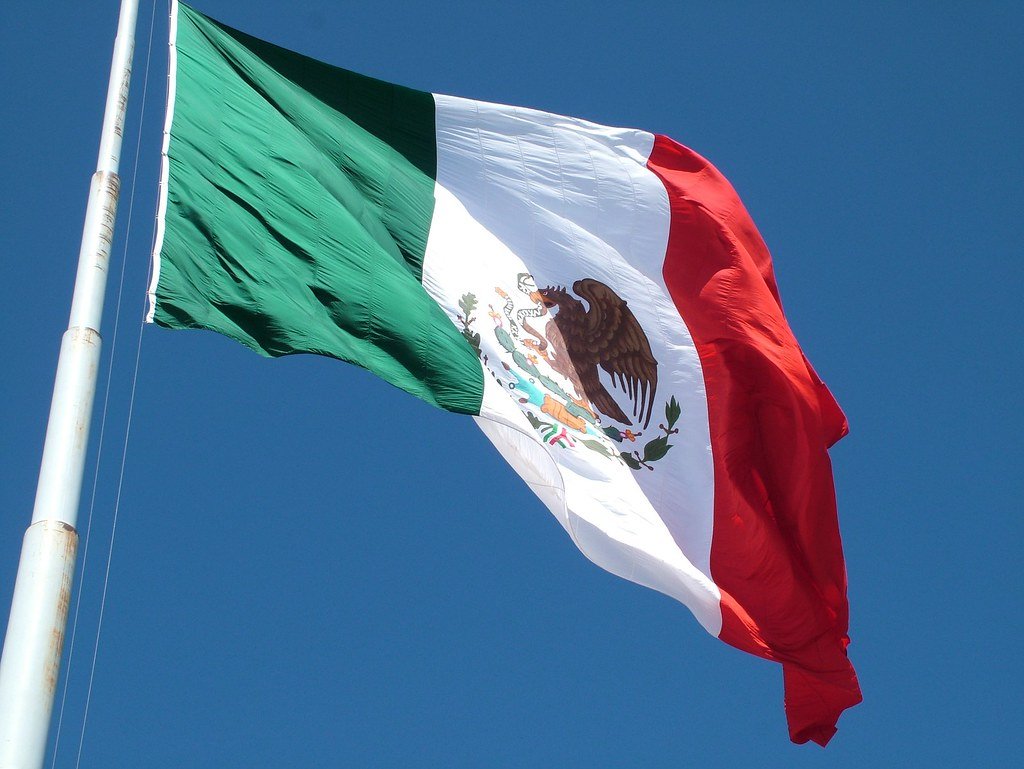
Worlds Direction/Flickr
Migration flows along the U.S.-Mexico border have shifted dramatically in 2026 as fewer migrants attempt to cross into the United States and increasingly choose to stay in Mexico instead. Shelter networks in cities like Ciudad Juárez are operating at a fraction of their former capacity, reflecting a broader transformation in migration trends driven by policy changes, safety concerns, and evolving asylum processes.
Declining U.S. Border Crossings Signal Major Change
The U.S. southwest border has seen historic lows in migrant apprehensions this year. According to the Department of Homeland Security, just 6,073 arrests were made at the southwest border in January 2026, marking a staggering 93% drop compared to the two-decade monthly average. By July, the U.S. government recorded 14 consecutive months without releasing any unauthorized migrants into the country, underscoring the sharp decrease in attempted crossings.
This decline is not due to migration stopping altogether, but rather a fundamental shift in its direction and nature. Migrants who once viewed the U.S. as their ultimate goal are increasingly settling within Mexico’s borders. The near-empty beds in migrant shelters like those in Ciudad Juárez—operating at only about 15% capacity—highlight this change, with many of the remaining residents having fled violence inside Mexico rather than arriving from abroad in hopes of crossing northward.
Mexico City Emerges as a New Migrant Hub
Mexico City has become a central settlement point for migrants who once might have aimed for the U.S. capitalizing on the country’s growing asylum system. In 2025, the city processed roughly 17,600 asylum applications, accounting for nearly 30% of the nationwide total, a steep increase from 18% in 2024. This shift is particularly pronounced among Venezuelan migrants, who represent about half of those now viewing Mexico as their final destination, followed by Hondurans, Guatemalans, Colombians, and Ecuadorians.
One migrant, Eduardo, a 41-year-old Venezuelan residing in Mexico City, explained his decision: “Here you don’t have that anxiety of walking outside and getting deported.” His statement reflects a growing sentiment among migrants who find Mexico’s policies and urban opportunities more accommodating than the uncertainty and risks associated with crossing into the U.S.
U.S. Policy Shifts Reshape Migration Routes
The reimposition of strict border controls under President Donald Trump’s current administration has played a critical role in this migration evolution. One notable policy was the shutdown of the CBP One app on January 20, 2025, which had allowed asylum seekers to schedule official crossings into the U.S. This sudden closure left thousands stranded in border cities within Mexico, forcing many to abandon plans to cross and instead seek refuge locally.
As a result, Mexico’s asylum system and humanitarian infrastructure have absorbed much of the demand that previously flowed north. Shelter networks, once overwhelmed by hopeful migrants, have retooled to serve displaced persons within Mexico itself, including those fleeing gang violence and other internal conflicts.
Border Cities Face New Realities and Challenges
Cities like Tijuana and Ciudad Juárez illustrate the complexities of this shift. While arrivals continue at the border, many migrants now arrive without documentation but with diminished hopes of crossing. Shelter operators report drastically reduced occupancy, with some facilities averaging only a dozen residents. In Ciudad Juárez, the remaining shelter population largely comprises Mexicans displaced by internal violence, reflecting the country’s growing role as both a transit and destination point.
Humanitarian aid organizations, however, face funding cuts and program reductions, complicating efforts to meet the needs of this evolving migrant population. The changing landscape demands new strategies for support and integration in Mexico’s urban centers and border regions alike.
The migration pattern across the U.S.-Mexico border has undergone a fundamental transformation in 2026. With fewer migrants attempting to cross into the United States and more opting to settle in Mexico, the region’s humanitarian and policy challenges are evolving. Mexico’s cities, asylum agencies, and shelter networks now play a pivotal role in accommodating migrants who once saw the U.S. as their ultimate goal, signaling a new chapter in North American migration dynamics.