NATO Chief Mark Rutte Confronted Over Trump’s Controversial Remarks at Ankara Summit
At the 2026 NATO summit, Secretary General Mark Rutte faced a pointed question on his response to Donald Trump’s divisive statements.
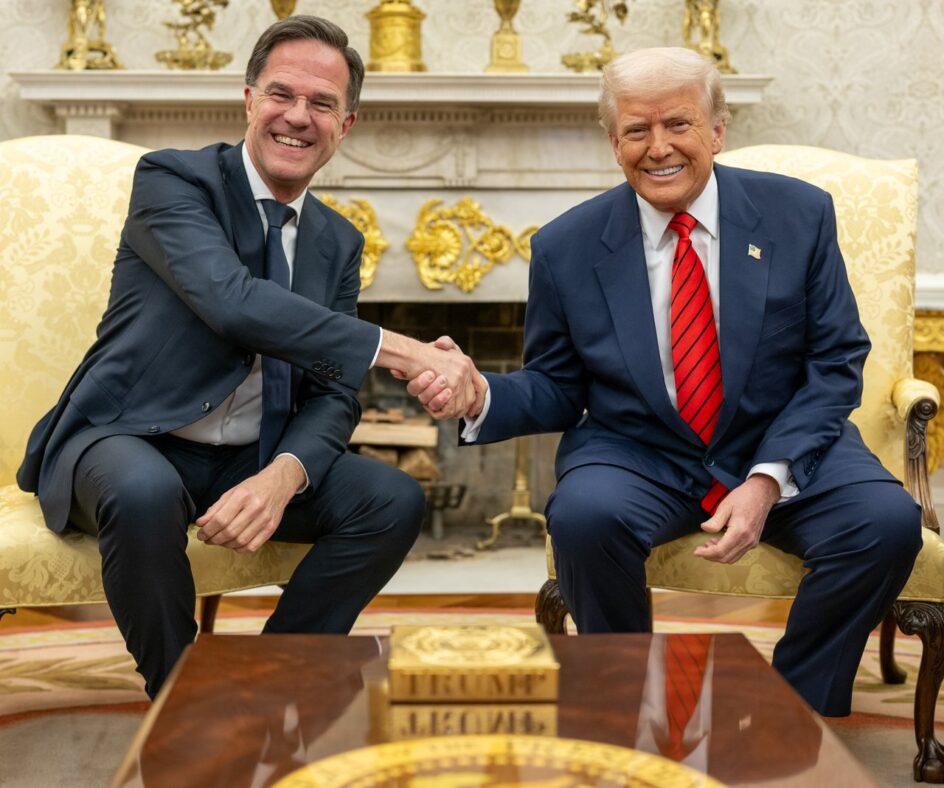
The White House/Wikimedia Commons
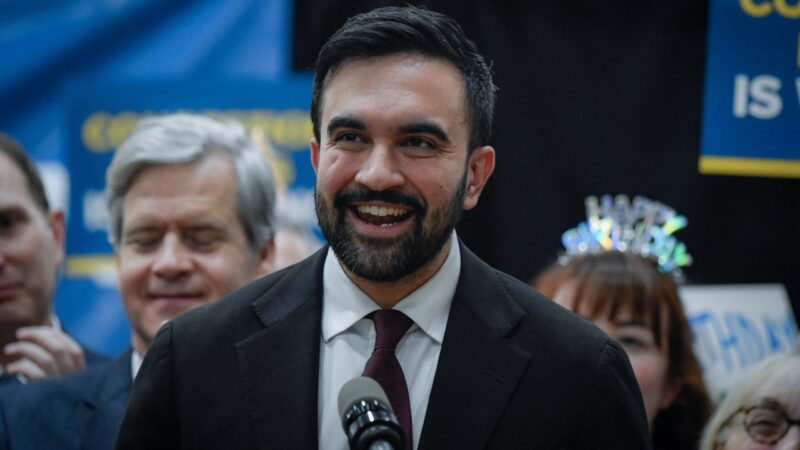
During the NATO summit held in Ankara, Turkey, on July 8, 2026, NATO Secretary General Mark Rutte was directly asked about his reactions to former U.S. President Donald Trump’s provocative statements during alliance meetings. The question came from Rasmus Svaneborg, a reporter for the Danish news agency Ritzau, spotlighting the tension between diplomacy and outspoken rhetoric within NATO’s leadership.
Blunt Question Puts Rutte on the Spot
Rasmus Svaneborg confronted Rutte during a press interaction, highlighting moments when Trump made controversial remarks beside the NATO chief. These included Trump’s unusual proposals about Greenland, as well as his sharp criticisms of NATO allies such as Spain and his initiation of trade disputes. Svaneborg asked whether sitting silently during such moments affected Rutte’s self-respect, referencing the stark contrast to the former Dutch prime minister’s usual demeanor.
Rutte acknowledged the awkwardness but framed Trump’s impact on the alliance more positively. He emphasized that the alliance’s current strength owes in part to Trump’s pressure on NATO members to increase defense spending, despite the former president’s prior calls to label NATO as obsolete.
Rutte Credits Trump for NATO’s Strengthening
Mark Rutte, who led the Netherlands from 2010 to 2024 before assuming the NATO Secretary General role, defended the former U.S. president’s contribution to the alliance. He noted that, alongside the urgent need to respond to Russia’s aggression and the ongoing war in Ukraine, Trump’s insistence on burden-sharing among NATO members played a significant role in reinforcing the alliance’s capabilities.
Despite past tensions, Rutte highlighted that Trump’s push for increased defense budgets led to tangible improvements in NATO’s readiness and cohesion. This acknowledgment offers a nuanced perspective on the former president’s complex legacy regarding transatlantic security cooperation.
Addressing Greenland and Arctic Security Concerns
One of Trump’s more unusual topics has been his repeated suggestion that the U.S. should purchase Greenland. Rutte responded by saying he shared concerns about the strategic threats posed by Russia and China in the Arctic region. However, he stressed that such security challenges underscore NATO’s fundamental purpose: to safeguard member nations collectively.
Rutte explained that he communicated to Trump the importance of Arctic security but maintained that any territorial ambitions or unilateral actions would be counterproductive. Instead, NATO’s collective defense framework is designed to address emerging threats, including those in the Arctic sphere.
Balancing Diplomacy and Controversy in NATO Leadership
The exchange in Ankara reflects the delicate balance NATO leaders must maintain when engaging with outspoken figures like Donald Trump. Rutte’s measured responses suggest a pragmatic approach to alliance politics, where diplomatic restraint often coexists with strategic assertiveness.
As NATO continues to navigate a complex geopolitical landscape in 2026, the legacy of past leadership styles and personalities remains a topic of public and media scrutiny. The incident also highlights the challenges of managing media relations and public perception in high-stakes international forums.
Mark Rutte’s encounter with the reporter underscores the ongoing dialogue within NATO about leadership, alliance unity, and the impact of individual personalities on global security cooperation.