Netanyahu Fatigue Grows in Washington After Israel’s Election Deadlock
Israel’s election deadlock leaves Netanyahu in power, deepening divisions in Washington and raising concerns over US-Israel relations.
US Department of State/Wikimedia Commons
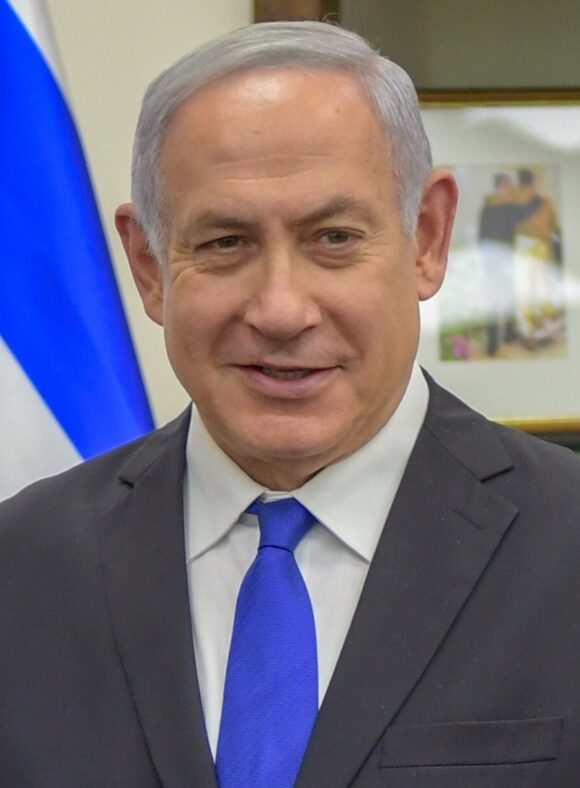
Israel’s recent parliamentary election deadlock has heightened what many in Washington describe as “Netanyahu fatigue,” casting uncertainty over the future of US-Israeli relations. With no clear majority in Israel’s 120-seat parliament, Prime Minister Benjamin Netanyahu’s bloc holds 53 seats, opposition leader Gadi Eisenkot’s bloc 48, and Arab parties 19, leaving Israel poised for prolonged coalition talks or another election. This outcome has disappointed many in Washington who had hoped for a change in Israeli leadership.
Election Results and Political Impasse
By Friday morning, all votes were tallied, confirming that neither the Likud party led by Netanyahu nor the opposition bloc headed by Eisenkot secured a majority. Netanyahu’s bloc has 53 seats, Eisenkot’s 48, and the Arab parties 19 seats total. This balance creates a complex environment for coalition-building, with the possibility of another election looming if no coalition emerges. The stalemate means Netanyahu remains the dominant political figure in Israel for now.
Washington’s Response: Bipartisan Frustration
The election outcome has amplified frustrations across the US political landscape. Despite President Donald Trump’s vocal support for Netanyahu and his claim that his endorsement prevented an outright defeat, many in Washington are weary of Netanyahu’s leadership. A former Trump administration official summarized the mood as “Netanyahu fatigue.”
Opposition to Netanyahu’s government comes from a wide spectrum: moderate and progressive Democrats, key Trump officials including Vice President JD Vance, and segments of the MAGA base that oppose US involvement in foreign conflicts. Senators such as Chris Murphy have criticized Netanyahu as an obstacle to US efforts to disengage from the Iran war, warning that if Netanyahu remains, he would continue influencing President Trump toward pursuing regime change in Iran.
Divisions Within Republican Supporters
While Netanyahu retains allies in Congress like Republican Senator Ted Cruz and Democratic Senator John Fetterman, Republican support is divided. Matthew Bartlett, a former State Department official from the first Trump administration, explained the split, noting President Trump’s contradictory stance—sometimes openly hostile toward Netanyahu, other times perfectly aligned in military actions.
A former White House official close to the Trump inner circle noted that Trump’s endorsement was motivated by both personal ties and strategic considerations. Endorsing Netanyahu ensures continuity and eases US-Israel relations if Likud defies odds again. However, this source also suggested Republicans may actually prefer a more moderate Israeli government, possibly a unity government excluding hardline ministers like Finance Minister Bezalel Smotrich and National Security Minister Itamar Ben-Gvir, whose policies toward Palestinians complicate US Middle East peace visions.
Concerns Over Hardline Israeli Leaders
Smotrich and Ben-Gvir have been controversial figures due to their aggressive stances. Smotrich has accelerated West Bank settlements, while Ben-Gvir advocates for harsh treatment of Palestinians in Israeli prisons and supports “voluntary emigration” from Gaza. Such policies conflict with many of President Trump’s goals for Middle East peace, according to another former official from the first Trump administration who expects the White House to prefer a more compliant Israeli government.
The election stalemate leaves Netanyahu at the helm as the US approaches its midterm elections, with no clear path to change. His tenure has been associated with policies that are unpopular among many American voters, including the Israeli Defense Forces’ campaign resulting in at least 74,000 Palestinian deaths in Gaza, rejection of disarmament plans for Hamas, and encouragement of US involvement in Iran.
As the political deadlock continues, Washington faces a divided and complex relationship with Israel, marked by both strong support and growing weariness of Netanyahu’s leadership and its impact on regional stability.