Netanyahu Warns ‘End of Iranian Regime Near,’ Threatens Severe Retaliation
Israeli Prime Minister Netanyahu declares Iran’s regime nearing collapse amid ongoing tensions and warns of harsh reprisals if attacked.
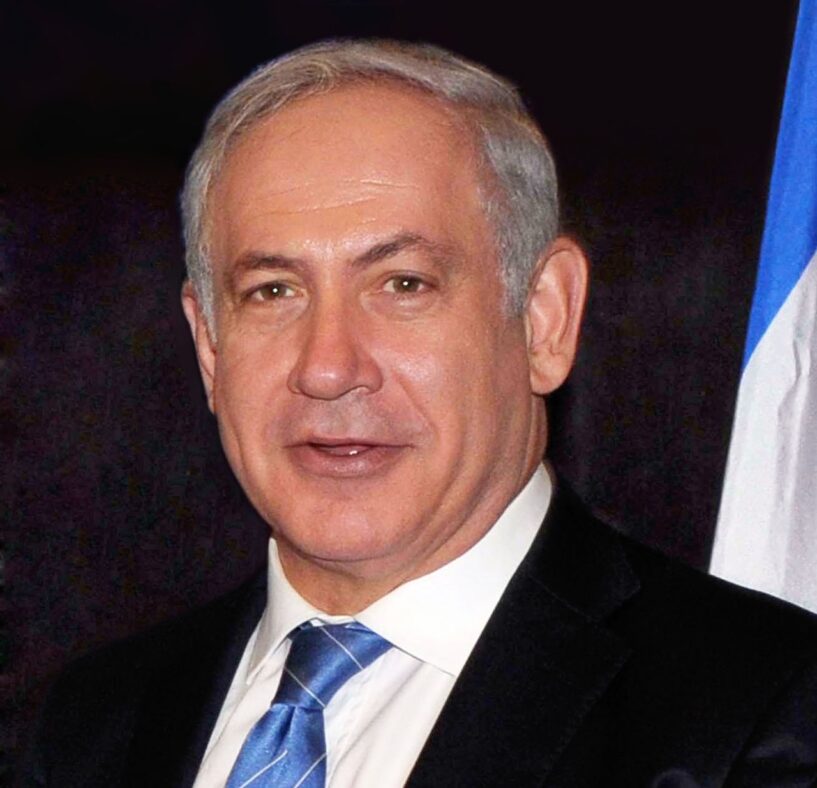
Benjamin Netanyahu on September 14, 2010.jpg: US State Dept. derivative work: Th/Wikimedia Commons
Israeli Prime Minister Benjamin Netanyahu declared on Sunday that the collapse of the Iranian regime is imminent, signaling a potential shift in the Middle East’s geopolitical landscape. Speaking ahead of the Jewish New Year, Rosh Hashanah, Netanyahu emphasized Israel’s resolve to continue actions aimed at dismantling Iran’s nuclear capabilities and warned Tehran that any renewed attack could provoke unprecedented retaliation.
Netanyahu’s Stark Warning and Israel’s Military Posture
During a government toast, Netanyahu stated, “The end of the Iranian regime is near,” underscoring his determination to see the regime’s downfall. He credited Israel’s current strength and the weakened state of its adversaries to the coordination with the United States, highlighting successes in neutralizing Iranian nuclear threats and ballistic missile capabilities. Netanyahu also conveyed that Israeli pilots are prepared to strike Iran at any moment if necessary.
In an interview with i24 News earlier, Netanyahu revealed that Israel has completed 80 to 90 percent of the work required to counter Iran’s nuclear program, describing Iran as “the head of the octopus” that must be confronted decisively. He further warned that while Iran currently poses no immediate threat, any aggression against Israel could trigger a response “they don’t even imagine.”
Iran’s Response and Regional Tensions
In response to heightened hostilities, Iran’s Parliament Speaker Mohammad Baqer Qalibaf issued a stern warning that Tehran would retaliate more aggressively against attacks targeting its interests or security. The announcement follows a recent escalation including U.S. strikes on Iranian tankers after ballistic missile attacks on U.S. Navy vessels attributed to Iran’s Islamic Revolutionary Guard Corps (IRGC).
Despite the warnings, the ongoing conflict has intensified economic hardships for Iran. U.S. military-led oil export blockades and sanctions have severely limited Tehran’s access to foreign currency and resources, exacerbating a cash-flow crisis that challenges the regime’s stability.
U.S. Role and Economic Pressure on Iran
The United States, under President Donald Trump’s administration, has amplified economic pressure on Iran in an effort described by Trump as “economic D-Day.” This strategy aims to degrade Iran’s nuclear and military capabilities by restricting oil exports and closing loopholes used to evade sanctions. The goal is to compel Tehran into negotiations on more favorable terms for the U.S. and its allies.
Economic analysts in Tehran report that dwindling foreign reserves and limited access to U.S. dollars are making it increasingly difficult for Iran to sustain its military and domestic programs. This financial strain adds a critical layer to the broader strategic standoff between Iran, Israel, and the United States.
Implications for Middle East Stability
Netanyahu’s declaration signals a possible escalation in Israel’s campaign against Iran, which could have significant implications for regional stability. The rhetoric from both sides suggests that further military confrontations are possible, raising concerns among international observers about the potential for wider conflict.
Israel’s close coordination with the United States remains a central pillar of its strategy, with Washington continuing to back Israel’s security initiatives while also applying economic pressure on Iran. The coming months are likely to be critical in determining whether diplomatic channels can mitigate the risk of direct conflict or whether the confrontation will intensify further.
As Netanyahu’s government remains steadfast in its goal to dismantle Iran’s nuclear ambitions, the international community watches closely, aware that the future of Middle East peace may hinge on the outcome of this high-stakes standoff.