New York City to Ban Horse-Drawn Carriages by June 2028 Following Tourist Death
New York City will phase out horse-drawn carriages by June 1, 2028, after fatal accident in Central Park sparks safety concerns.
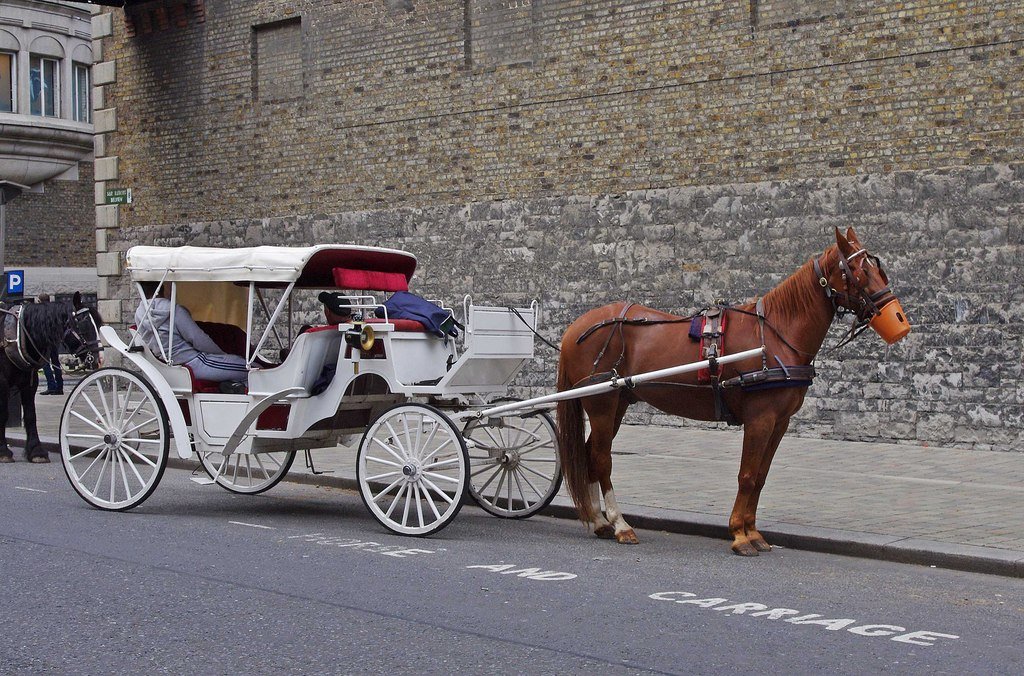
P L Chadwick/Wikimedia Commons
New York City has voted to ban horse-drawn carriages by June 1, 2028, after the tragic death of an 18-year-old tourist in Central Park this summer. The City Council passed Romanch’s Law with a 40 to 7 vote and two abstentions, marking a significant shift in the city’s approach to carriage operations amid mounting safety concerns.
City Council Approves Romanch’s Law to Phase Out Carriages
The City Council’s vote on Thursday officially bans the issuance of new licenses for horse-drawn carriages and phases out existing operations by mid-2028. The legislation also prohibits selling horses to slaughterhouses, aiming to protect animal welfare. This veto-proof decision reflects broad political support following years of debate and previous failed attempts by former mayors Bill de Blasio and Eric Adams to enact a ban.
Fatal Incident Spurs Renewed Action
The push to ban carriages intensified after Romanch Mahajan, an 18-year-old Indian tourist, died when a horse pulled his carriage out of control in Central Park. Investigators found the carriage collided with another, causing it to topple while Mahajan and his family were inside. This death was the ninth carriage-related incident in just over a year, prompting city leaders and park stewards to act decisively for public safety.
Safety Concerns Highlighted by Officials and Advocates
City Council Speaker Julie Menin emphasized that horse-drawn carriages pose a risk in a park that attracts 42 million visitors annually. She stated, “They don’t belong in an area that attracts 42 million people a year, pulling a 1,000-pound carriage in record heat.” The Central Park Conservancy also welcomed the vote, noting the number of recent incidents could no longer be ignored.
Union Opposition and Workforce Transition Program
The Transport Workers Union, representing approximately 150 carriage drivers, protested the ban and threatened immediate legal action, calling the bill “blatantly unconstitutional.” TWU Vice President Alexander Kemp warned of economic devastation for workers and carriage owners. In response, the legislation includes a “workforce transition program” offering job placement, training, career counseling, and financial compensation to help drivers adjust to the phase-out.
The City Council’s decision marks the end of an era for New York City’s horse-drawn carriages. With the phase-out set for June 1, 2028, the city aims to improve safety and animal welfare while addressing the livelihoods of affected workers.