NYC Death Investigator Challenges Harmful Myths About 9/11 Jumpers
A New York City death investigator exposes the painful truth behind 9/11 victims who fell from the towers, fighting the damaging ‘suicide’ narrative.
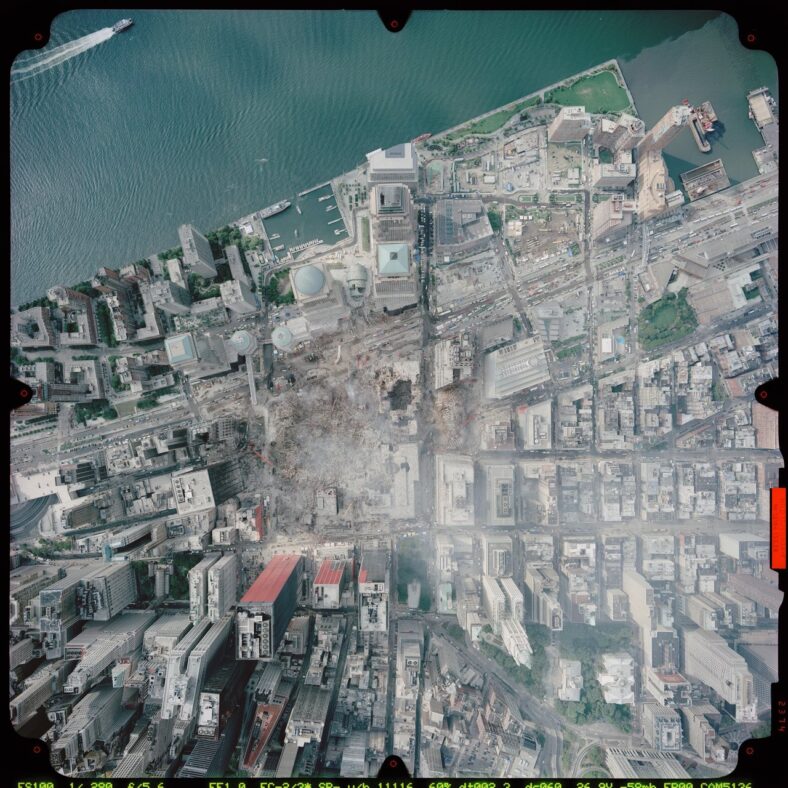
National Oceanic and Atmospheric Administration (NOAA)/Wikimedia Commons
On the 25th anniversary of the September 11 attacks, a New York City death investigator who worked at the Office of the Chief Medical Examiner (OCME) continues to confront a damaging misconception about the victims who fell from the World Trade Center towers. Heidi Alagha, reflecting on her experience during that horrific day in 2001, emphatically rejects the label of “jumpers” or “suicides” for the approximately 200 people forced from the buildings, underscoring the importance of accurate terminology and respect for the victims and their families.
The Reality of the Victims Who Fell
Heidi Alagha served as a death investigator in New York City for nearly a decade before 9/11, and on that day, her duties changed dramatically. Instead of routine cases, she was tasked with recovering and cataloging human remains from the rubble of the World Trade Center. Months after the attacks, in a tense meeting led by Chief Medical Examiner Dr. Charles Hirsch, the true circumstances of those who fell from the towers were clarified.
Contrary to popular misconceptions, no evidence suggested that any of the victims who fell intentionally ended their own lives. Rather, they were victims of homicide, pushed out by the overwhelming forces of fire, smoke, and destruction caused by the terrorists who attacked the buildings. Dr. Hirsch emphasized that these individuals were not “jumpers” or suicides; they were pushed to their deaths.
Why Terminology Matters
In death investigations, the manner of death is determined by strict protocols. Suicide requires intent to die by one’s own hand. Homicide indicates death caused by another party. In the case of the World Trade Center victims, every death certificate lists the manner of death as homicide, reflecting the reality that terrorists murdered these people.
This distinction is crucial not only for legal accuracy but also for the emotional and religious considerations of families. Many families hold beliefs that condemn suicide as unforgivable, and mislabeling their loved ones as suicides can cause profound additional trauma. The language used shapes how victims are remembered and honored.
Challenging the Narrative at the National September 11 Museum
Despite this, the National September 11 Museum has signage referring to “those who jumped,” a phrase that Alagha and other advocates have sought to change. The museum’s Signage Committee has declined to revise the wording, citing a lack of broader concern. However, for Alagha and many who worked at OCME, this terminology is deeply hurtful and misleading.
Alagha continues to push for respectful language that acknowledges the victims’ lack of choice and the terror they endured. She suggests alternatives such as “those who fell from the windows” or “pushed out by forces beyond their control.” The goal is to shift the focus away from victim-blaming and toward honoring their memory with dignity and truth.
Remembering the Victims with Dignity
The tragedy of 9/11 remains a defining moment in American history, especially in New York City. Those who lost their lives at the World Trade Center did so as victims of a brutal act of terrorism, not as individuals who chose death over survival. The ongoing fight to correct language and perceptions is part of honoring their legacy and supporting grieving families.
As the nation reflects on the 25th anniversary, voices like Heidi Alagha’s remind us that words carry weight. They shape history, memory, and healing. Using precise, respectful language is a small but vital way to pay tribute to those who suffered unimaginable horror on that day.
In remembering 9/11, let us choose words that reflect truth, respect, and compassion for every victim.