Oil Reserve at Lowest Since 1983 After Democrats Blocked Trump’s $3B Refill Plan
The U.S. Strategic Petroleum Reserve hits a 43-year low after Democrats opposed Trump’s $3 billion refill plan during 2020’s low oil prices.
Gedalia Vera/Wikimedia Commons
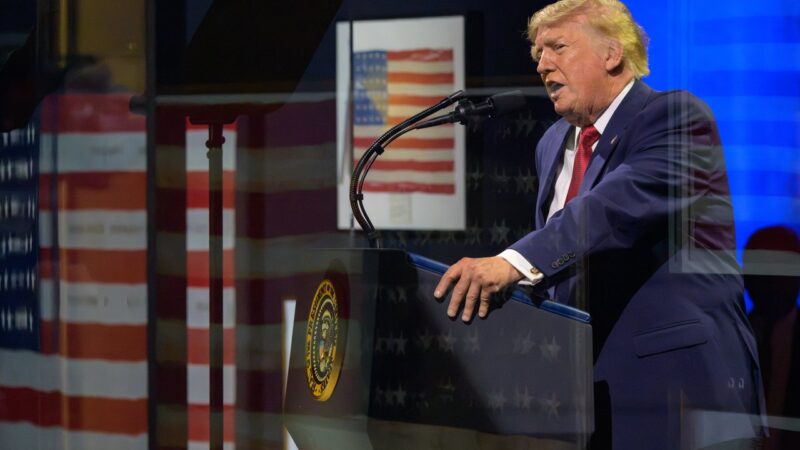
The United States Strategic Petroleum Reserve (SPR) has plunged to its lowest level since 1983, currently holding just 311.4 million barrels of crude oil, according to the U.S. Energy Information Administration (EIA). This dramatic decline follows a series of releases and missed opportunities to replenish the stockpile, including a notable $3 billion plan proposed by former President Donald Trump in 2020 that was ultimately blocked by Democratic lawmakers.
Trump’s $3 Billion Plan to Refill the Reserve
At the onset of the COVID-19 pandemic in 2020, global oil prices crashed to historic lows, dipping between $20 and $30 per barrel. Seeing an opportunity, then-President Trump directed the Department of Energy to purchase 77 million barrels of oil to replenish the SPR at these bargain prices, a move that would have cost roughly $3 billion. The plan aimed to capitalize on cheap oil and strengthen the nation’s energy security.
However, the proposal faced stiff opposition from Democratic leaders, including Senate Minority Leader Chuck Schumer, who criticized it as a “bailout for big oil.” Without bipartisan support, the Department of Energy did not proceed with the large-scale purchase, and the opportunity to bolster the reserve was lost. Had the plan succeeded, the SPR’s current level would be closer to 388 million barrels, significantly higher than today’s figure.
Strategic Petroleum Reserve Releases and Declines Post-2020
Following Trump’s directive, a substantial release of 172 million barrels was made to stabilize energy prices amid ongoing geopolitical tensions, including the war involving Iran. This release contributed to a sharp decline in the SPR from roughly 415 million barrels in March 2026 to the current historic low.
Additionally, President Joe Biden authorized the sale of up to 260 million barrels between 2021 and 2023 to counter the energy price surge caused by Russia’s invasion of Ukraine. The reserve dropped from about 638 million barrels at the start of 2021 to approximately 350 million barrels by mid-2023. Though Biden did manage to purchase 59 million barrels before leaving office, it was not enough to offset the steep withdrawals.
Political Debate Over the Strategic Petroleum Reserve’s Role
The dramatic depletion of the SPR has sparked debate over its purpose and effectiveness. Critics argue that the reserve has often been used as a political tool rather than a strategic asset. For example, a 2015 report from The Heritage Foundation labeled the SPR “unnecessary” in the context of private sector inventories and open markets that can respond more efficiently to supply shocks.
Moreover, the Treasury Department’s 2022 analysis found that releases from the SPR, while helpful, only modestly lowered gasoline prices, with President Biden’s releases reducing prices by about 17 cents per gallon. This has fueled skepticism about whether maintaining a large SPR stockpile is the best approach for managing U.S. energy security and consumer prices in volatile markets.
Looking Ahead: Can the SPR Recover?
With global energy markets continuing to face uncertainty, the future of the SPR remains a critical issue. Experts suggest that rebuilding the reserve when oil prices are favorable could provide strategic benefits, but political consensus is necessary to pursue such plans. The missed opportunity in 2020 underscores how partisan divisions can have long-lasting impacts on national energy security.
As it stands, the SPR’s decline to levels unseen since the early 1980s raises questions about the nation’s preparedness for future supply disruptions. Whether future administrations will prioritize restoring the reserve or rely on market mechanisms remains to be seen.
The history of the SPR’s depletion and the politics surrounding it highlight the complex balance between energy policy, economic factors, and partisan priorities that shape America’s energy future.