Olympic Canoeist David Hearn Emerges as Trump Foil Amid Reflecting Pool Scandal
David Hearn, former Olympic canoeist, becomes a prominent figure opposing President Trump’s National Mall renovations after Reflecting Pool charges dropped.
G. Edward Johnson/Wikimedia Commons
David Hearn, a three-time Olympic canoeist and native Marylander, has become a central figure in the controversy surrounding the Lincoln Memorial Reflecting Pool and President Donald Trump’s ongoing efforts to reshape Washington, DC. Recently, federal charges against Hearn for allegedly damaging the pool during a $14 million renovation were dismissed, turning the athlete into a high-profile critic of the administration’s capital projects.
Hearn’s Early Ties to the Reflecting Pool and Canoeing Legacy
Nearly 50 years ago in the summer of 1977, an 18-year-old David Hearn and his friends paddled a yellow canoe down the shallow waters of the Lincoln Memorial Reflecting Pool as a sanctioned sendoff before competing in the Canoe Slalom World Championship in Austria. This event began Hearn’s long and complex relationship with the 2,000-foot-long landmark, now at the heart of a legal and political battle. Over his career, Hearn became a revered figure in the canoeing community, competing in the 1992, 1996, and 2000 Summer Olympics and mentoring others in the sport.
From Canoe Slalom Star to Symbol of Resistance
Hearn’s prominence has grown beyond his athletic achievements. He has joined a growing list of individuals who have become symbolic opponents of President Trump’s controversial initiatives. Alongside figures like a DC man who resisted Customs and Border Protection last year and a Loudoun County board member fired for protesting Trump’s motorcade, Hearn now occupies a unique place in the public eye. At East Potomac Park, where Trump’s administration plans to convert the area into a championship golf course, Hearn has rallied supporters, drawing chants of “Davey! Davey! Davey!” as he speaks out against the changes.
The Legal Battle Over the Reflecting Pool
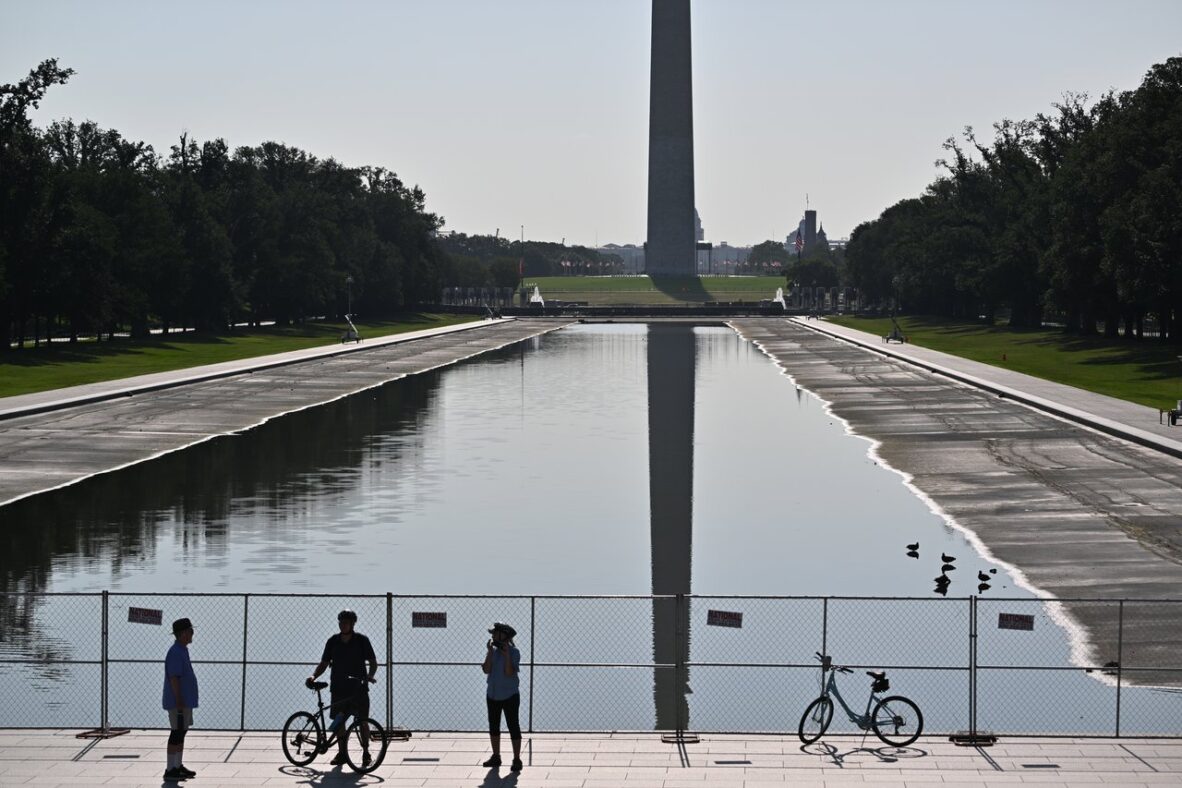
Federal prosecutors accused Hearn of intentionally damaging the Reflecting Pool during a renovation project that cost $14 million and was described as “botched.” The pool remains fenced off to the public as a result. However, a federal judge dismissed the case against Hearn with prejudice on September 4, 2026, delivering a significant blow to the Trump administration’s claims. Hearn has characterized this experience as surpassing his Olympic career in intensity, highlighting the unusual intersection of sports, politics, and public space preservation.
A Life Shaped by Water and Community
Hearn’s connection to water extends beyond the Reflecting Pool. Growing up near Great Falls Park, he was introduced to whitewater paddling by his father Carter and sister Cathy, both accomplished paddlers. His dedication to canoeing took him around the world, earning medals and respect. Hearn also demonstrated civic responsibility, once helping to rescue fishermen stranded in dangerous currents of the Potomac River. His history includes a 1996 incident where he was arrested for paddling in restricted Potomac waters, but charges were dismissed. This background paints the picture of an athlete deeply intertwined with the waterways and communities of the DC region.
David Hearn’s story reflects the complexities of public space, political power, and personal legacy. As President Trump continues to push forward controversial renovations, Hearn stands as a notable challenger, blending his athletic past with a newfound role as an advocate for the preservation of Washington, DC’s iconic landscapes.