President Trump Abdicates Role as Leader of the Free World Amid Global Shifts
President Donald Trump announces abdication as global leader, signaling major shifts in US foreign policy and international relations in 2026.
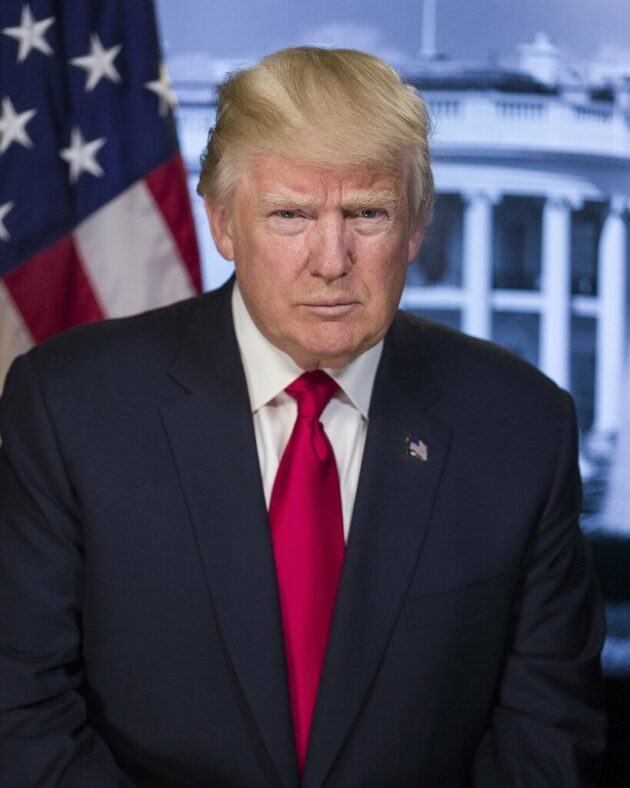
US Department of State/Flickr
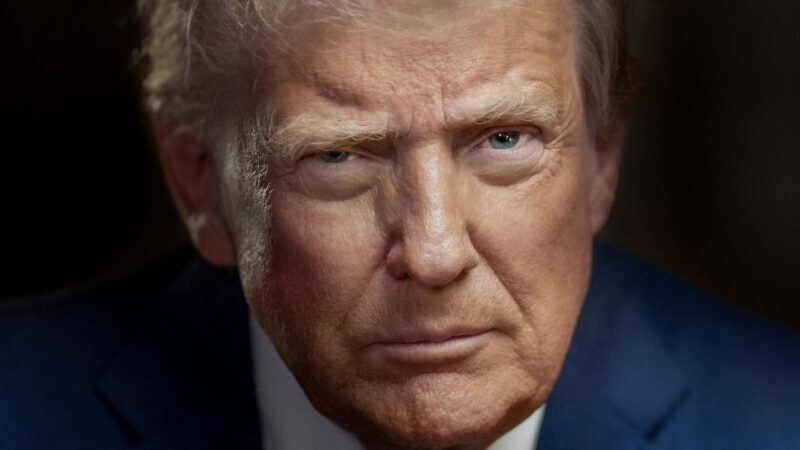
In a surprising announcement on September 23, 2026, President Donald Trump declared that he is abdicating his role as the leader of the free world, a title long associated with the presidency of the United States. Speaking from the White House, President Trump cited evolving global dynamics and a renewed focus on domestic priorities as key reasons for stepping back from active international leadership. This development signals potential shifts in the United States’ position on the world stage and has already sparked wide-ranging reactions from allies and adversaries alike.
President Trump’s Statement and Reasons for Abdication
During a televised address Monday evening, President Trump outlined his decision to relinquish the mantle of global leadership that the US has traditionally held since World War II. “The world has changed, and it is time for new models of cooperation,” Trump said, emphasizing the need for America to concentrate on rebuilding its economy, infrastructure, and security at home. He also expressed frustration with what he described as “unfair burdens” placed on the United States in maintaining global order and peace.
Political analysts note that President Trump’s statement reflects a broader trend of shifting geopolitical power balances, with emerging nations asserting greater influence and traditional Western alliances facing increased strain. Trump’s administration will now pursue a more restrained foreign policy, focusing on strategic partnerships rather than global leadership roles.
Impact on US Foreign Policy and Global Alliances
President Trump’s abdication marks a significant departure from decades of American foreign policy that positioned the US as the primary guarantor of global stability. The administration’s pivot is expected to affect relationships with key allies including NATO members, Japan, South Korea, and partners in the Indo-Pacific region.
Experts warn that this move could embolden rival powers such as China and Russia, who may seek to fill the leadership void left by the US. However, the White House insists that the United States will remain engaged in international affairs, albeit with a more selective and transactional approach.
Secretary of State confirmed plans to recalibrate diplomatic efforts, emphasizing alliances based on mutual benefit rather than traditional obligations. This approach aligns with President Trump’s “America First” philosophy but raises questions about the future of collective security frameworks.
Reactions from Domestic and International Leaders
The announcement triggered mixed reactions across the political spectrum and around the world. Republican leaders praised President Trump’s focus on domestic priorities and sovereignty, viewing the abdication as a bold assertion of American independence.
Conversely, Democrats and some foreign diplomats expressed concern over the potential erosion of US influence and the risks of decreased global stability. European Union officials called for renewed transatlantic dialogue to address the uncertainty created by the US’s new stance.
Internationally, China hailed the development as an opportunity to expand its Belt and Road Initiative and increase its leadership role in global governance forums. Russian officials welcomed the news as a sign of diminishing Western dominance.
Implications for Wayne and Duplin Counties and North Carolina
Locally, the shift in US foreign policy could have tangible effects on North Carolina’s economy and communities. As a state with robust military installations and export industries, changes in defense spending and international trade policies may impact employment and regional growth.
Economic experts in Wayne and Duplin Counties anticipate a potential redirection of federal resources toward infrastructure and agriculture, sectors vital to the local economy. However, uncertainty remains about how quickly these changes will materialize and their long-term effects.
Community leaders emphasize the importance of adaptability and preparing for a future where North Carolina’s role in global supply chains and military partnerships may evolve significantly.
President Trump’s abdication as leader of the free world marks a historic moment in 2026, ushering in an era of altered American engagement with the world. While the United States steps back from its traditional global leadership role, the coming months will reveal how these changes reshape international relations and impact communities here at home.