President Trump Approves Firing Squad Execution of Fort Hood Shooter
President Trump has approved the firing squad execution of Fort Hood shooter Nidal Malik Hasan, ending years of legal delay.
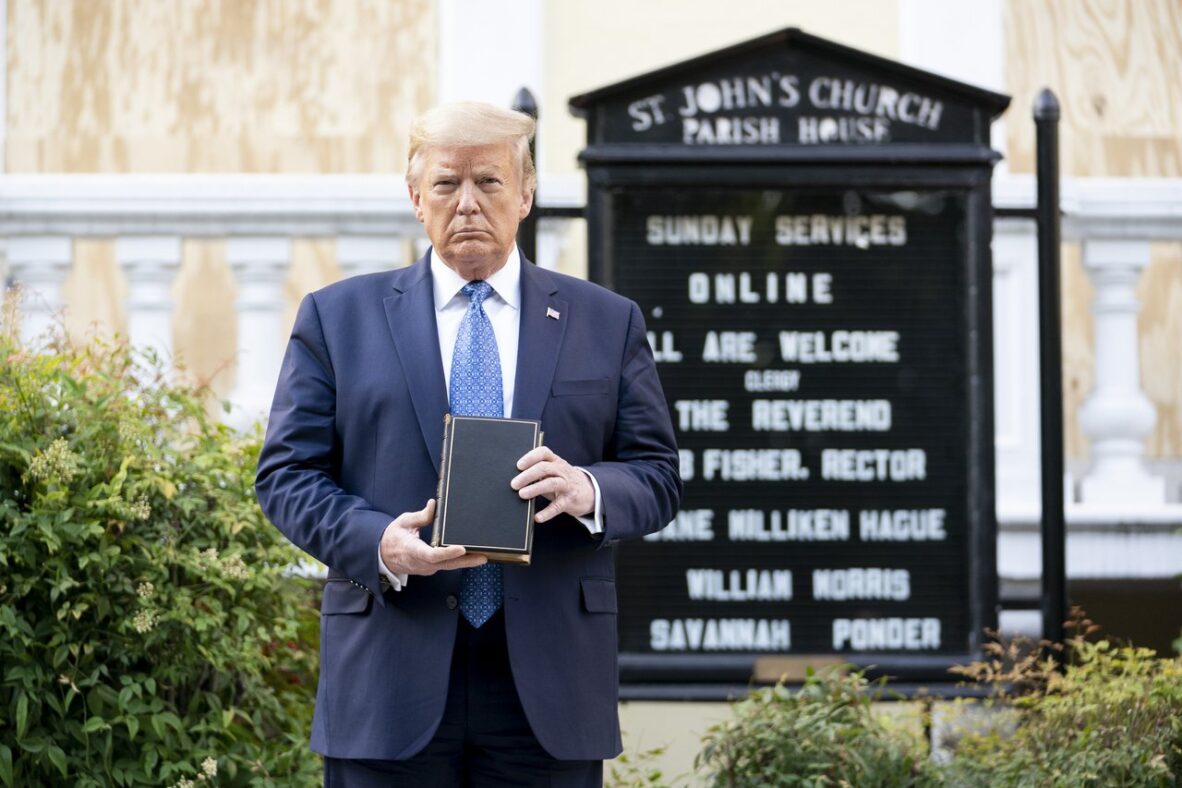
The White House from Washington, DC/Wikimedia Commons
President Donald Trump has authorized the military execution by firing squad of former Army Maj. Nidal Malik Hasan, who was convicted for the 2009 Fort Hood mass shooting that claimed 13 lives. The decision, announced on Oct. 5, 2026, marks a significant development in a case that has spanned over a decade.
Details of the Approval and Execution Process
The approval came at the recommendation of Secretary of War Pete Hegseth, Pentagon spokesperson Sean Parnell revealed in a post on X on Oct. 5. Parnell stated, “Judgement day has finally come,” signaling the start of the final phase for Hasan’s death sentence.
Secretary of the Army Adam Telle will determine the exact timing and location of the execution, though it is currently unclear how soon the execution will take place. According to Army Lawyer magazine, presidential approval initiates a potentially lengthy post-appellate court process, meaning the execution date may not be immediate.
The Historical Context of Military Executions by Firing Squad
The U.S. military has not conducted an execution since 1961, when Army Pvt. John Bennett was hanged in Kansas for rape and attempted murder. Executions by firing squad have been even rarer, with the last known case reportedly occurring on Jan. 31, 1945, when Pvt. Eddie Slovik was executed for desertion during World War II.
Hasan’s execution by firing squad will be a rare instance in modern military justice, highlighting the gravity of his crimes and the military’s approach to capital punishment.
Background of the Fort Hood Mass Shooting and Hasan’s Conviction
Maj. Nidal Malik Hasan, a U.S. Army doctor, carried out the mass shooting at Fort Hood, Texas, on Nov. 5, 2009. He killed 13 people and wounded 31 others before being stopped. Hasan was found guilty and sentenced to death in 2013 following a court martial.
Hasan’s case has remained in legal limbo for years, with the recent presidential approval signaling a move toward final resolution.
Shift in Execution Methods and Recent Developments
The announcement comes shortly after a botched execution in Tennessee on Sept. 30, where Christa Pike survived two doses of pentobarbital and was hospitalized in critical condition. The failure has cast doubt on lethal injection as a reliable method and has led some states and federal officials to reconsider alternative methods like firing squads.
Columbia Law School’s Bernard Harcourt noted, “Part of me thinks this might be a Tennessee effect,” suggesting the botched execution influenced the decision to opt for firing squad.
This decision by President Trump reflects a rare and significant moment in military justice, combining historical precedent with contemporary concerns over execution methods. The military execution of Hasan will be closely watched given its rarity and the long history surrounding this case.