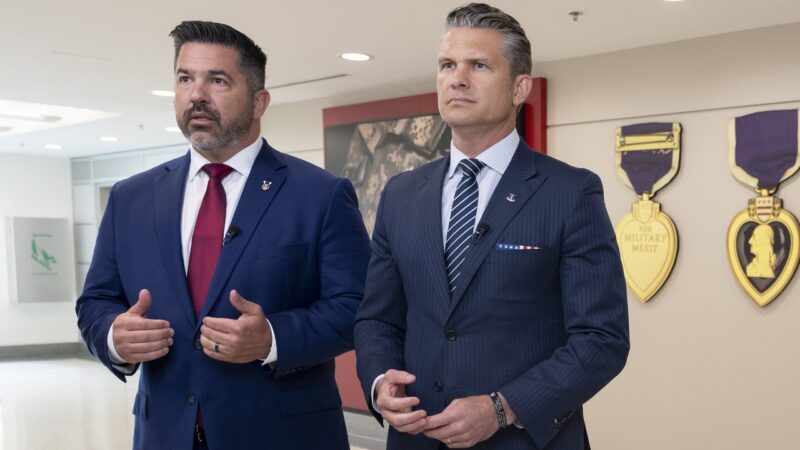
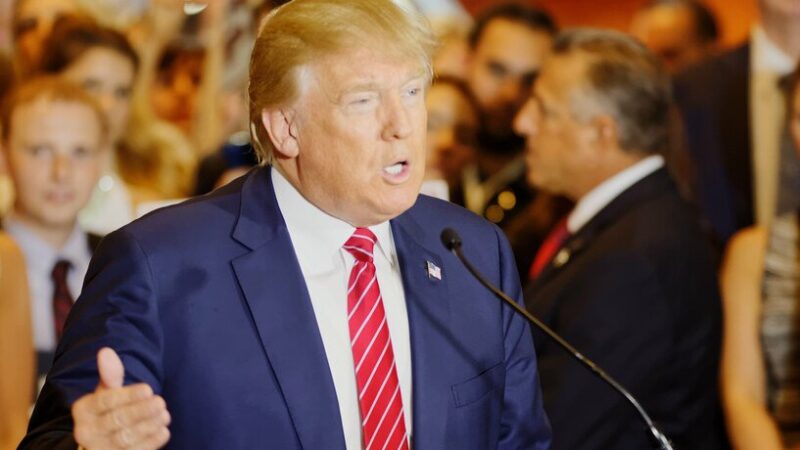
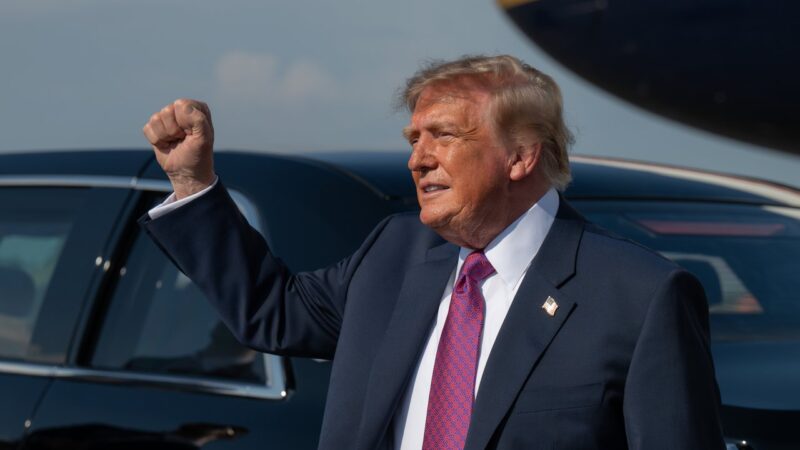
President Trump Questions Defense Secretary Hegseth’s Future After GOP Losses
Following Republican losses, President Trump is weighing whether Defense Secretary Pete Hegseth should remain in his post.
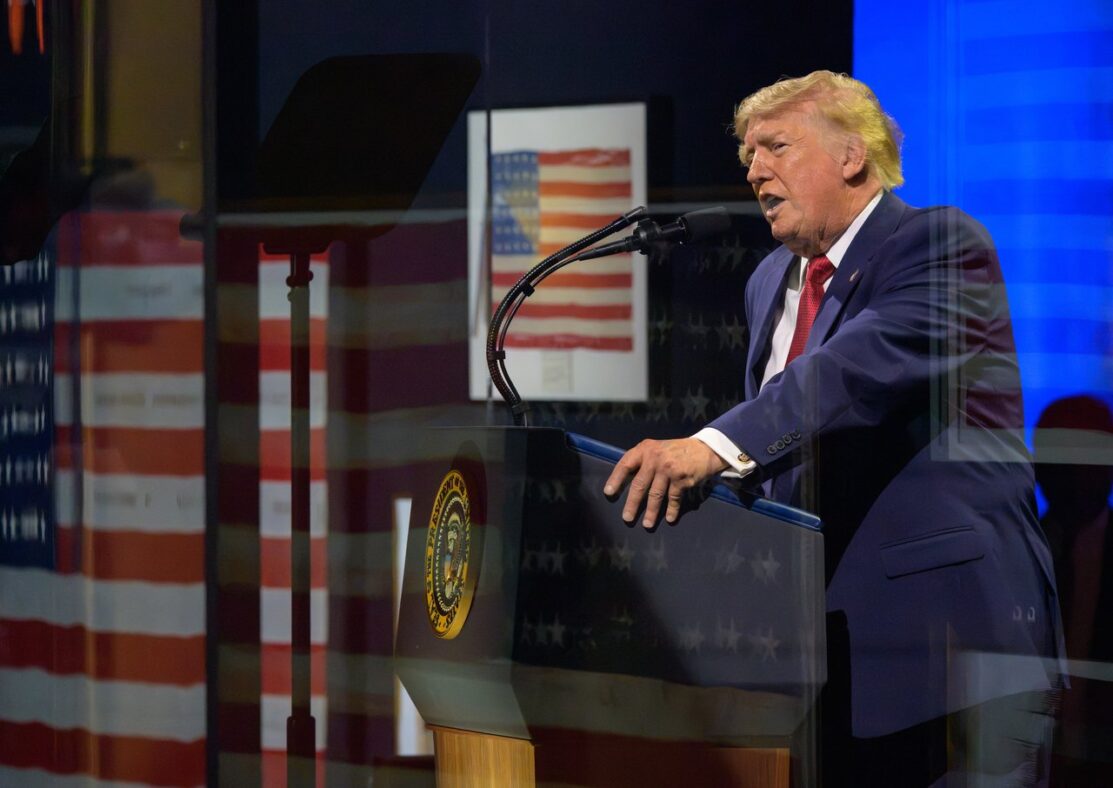
NASA/Bill Ingalls/NASA
President Donald Trump has been consulting advisers on whether Defense Secretary Pete Hegseth should stay in his role after Republicans suffered severe losses in the recent midterm elections, multiple sources told CBS News.
President Trump’s Deliberations on Hegseth’s Position
In the wake of Tuesday night’s disappointing election results for Republicans, President Trump has been actively asking those around him, including on phone calls, about the possibility of removing Defense Secretary Pete Hegseth. Sources familiar with the discussions indicated that no final decision has been made yet. White House spokeswoman Anna Kelly stated that President Trump “has full confidence in Secretary Hegseth,” highlighting his contributions to military operations in Iran and Venezuela and his efforts to reverse what she described as the Biden Pentagon’s focus on “DEI and woke ideology.” Prior to the election, Democrats had already sought to impeach Hegseth, a prospect that could intensify given their strong majority in both chambers of Congress.
Military Leadership and GOP Midterm Losses
Some White House aides have suggested that blame for the Republican Party’s poor showing in the midterms might be directed at top military officials, including Admiral Brad Cooper, head of U.S. Central Command, and General Dan Caine, Chairman of the Joint Chiefs of Staff. Both played significant roles in providing guidance on the ongoing Iran war, a factor seen as contributing to voter dissatisfaction. Vice President JD Vance publicly attributed the GOP’s defeat to the war, stating on X, “The reason we lost is the war,” in a detailed post Wednesday morning.
Potential Successors and Political Implications
One source revealed to CBS News that Florida Governor Ron DeSantis, a prominent GOP figure, is being considered as a possible replacement for Hegseth. The rationale is that DeSantis could be confirmed by the Senate during the lame-duck session and assume the defense secretary position after his gubernatorial term ends on January 5. This potential move reflects ongoing strategic calculations within the Republican leadership as they seek to strengthen their position amid political challenges.
With Democrats holding strong majorities in both the House and Senate, any impeachment efforts targeting Hegseth could gain momentum. The political environment remains tense as the Trump administration navigates the fallout from the midterms and the complex dynamics of military leadership amid active conflicts.
President Trump’s considerations about Defense Secretary Hegseth’s future highlight the broader uncertainties within the GOP as it reassesses its post-midterm strategy and leadership roles in critical national security positions.