President Trump Urges Republicans to Pass Permanent Daylight Saving Time Bill
President Trump calls on Republicans to pass the Sunshine Protection Act, making daylight saving time permanent after midterm losses.
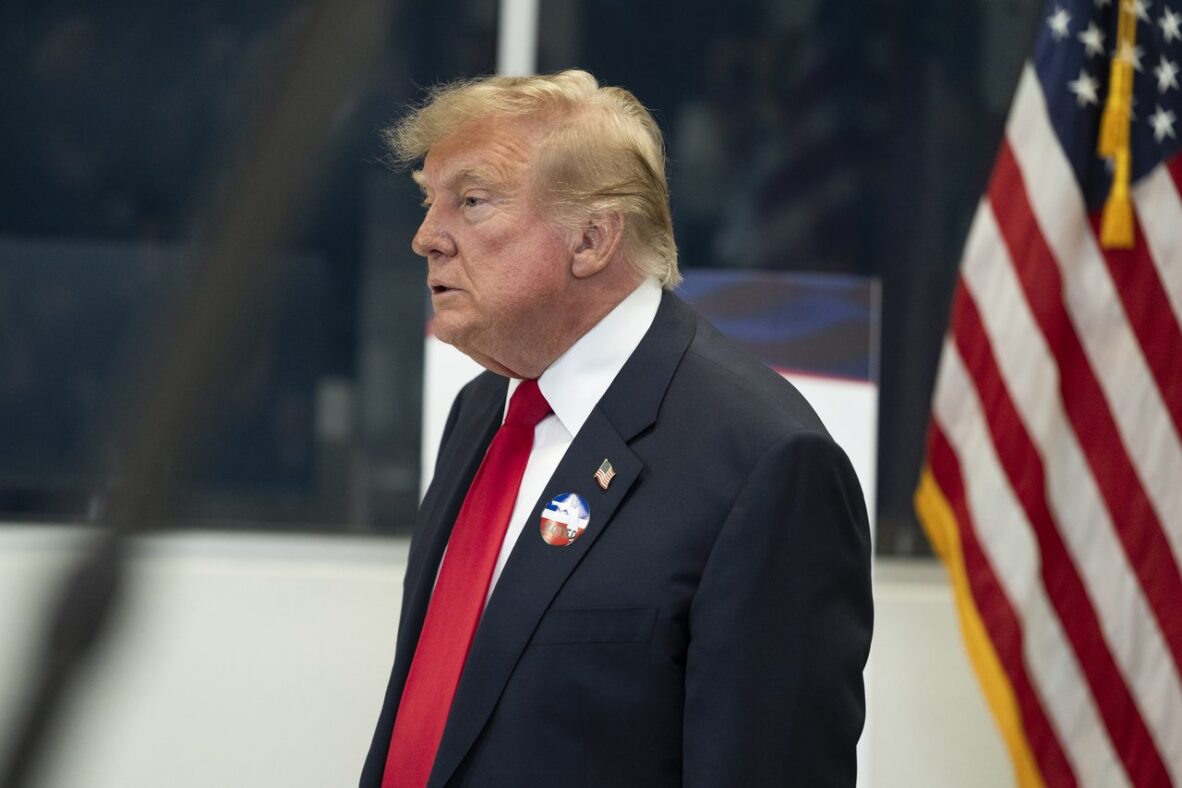
The White House/Wikimedia Commons
President Donald Trump urged Republicans on Nov. 5 to secure one final legislative victory by passing a bill to make daylight saving time permanent. His call comes just a day after the midterm elections, where Democrats made significant gains in both the Senate and House.
Trump’s Push for the Sunshine Protection Act
In a statement as darkness fell on Nov. 5, President Trump emphasized the need to eliminate the twice-yearly clock changes. He referred to the bill as the “I Don’t Want to Change My Clocks Anymore Act,” urging Republicans to pass it while they still control Congress. “We have far bigger priorities, but I will keep fighting for this!” he said.
The president expressed frustration with the early darkness, noting, “Sunset was 5:06 P.M., and it was dark by 5:31 P.M. — Isn’t that ridiculous? Just a few days ago it was so nice and sunny at this same time. In addition, everyone’s been running around changing their clocks all over the place.” The legislation would make daylight saving time permanent, preventing the need for biannual clock adjustments.
Midterm Election Results and Political Context
The call for the bill comes amid a challenging political climate for Republicans. On Nov. 4, Democrats flipped seven Senate seats and 32 House seats, signaling a clear repudiation of President Trump’s handling of the country during the first two years of his second term. The president acknowledged the election results but remained determined to push this legislative effort forward.
Trump also revealed he had avoided making the daylight saving time issue a major campaign topic to prevent certain Republican Senators from losing their races “in a landslide.” Despite the setbacks, he urged his party to act swiftly before control of Congress changes.
Legal Framework and Current Status of Daylight Saving Time
The Uniform Time Act of 1966 currently governs daylight saving time in the United States. The law, enacted under President Lyndon B. Johnson, grants Congress exclusive authority to change daylight saving time rules. The Secretary of Transportation administers the law but cannot alter it unilaterally.
While public support for making daylight saving time permanent has grown, efforts to pass the Sunshine Protection Act have been stalled, especially during the Senate’s extended election recess. For now, the status quo remains, and clock changes continue twice a year.
Public Sentiment and Implications
Many Americans have expressed frustration with the biannual time shifts, citing disruptions to sleep and daily routines. President Trump’s push aligns with this growing sentiment. By making daylight saving time permanent, proponents argue, people will benefit from more daylight during waking hours in the evenings year-round.
However, the legislative path remains uncertain following the midterm election results, as Democrats now hold key majorities in Congress.
As the political landscape shifts, President Trump’s call for the Sunshine Protection Act highlights a symbolic effort to deliver a lasting change before Republicans potentially lose control of Congress.