Protests in Tirana Over Kushner’s $1.4B Albanian Resort Deal Lead to Clashes
Tens of thousands protested in Tirana on Albania’s Independence Day against Jared Kushner’s luxury resort project amid clashes with police.
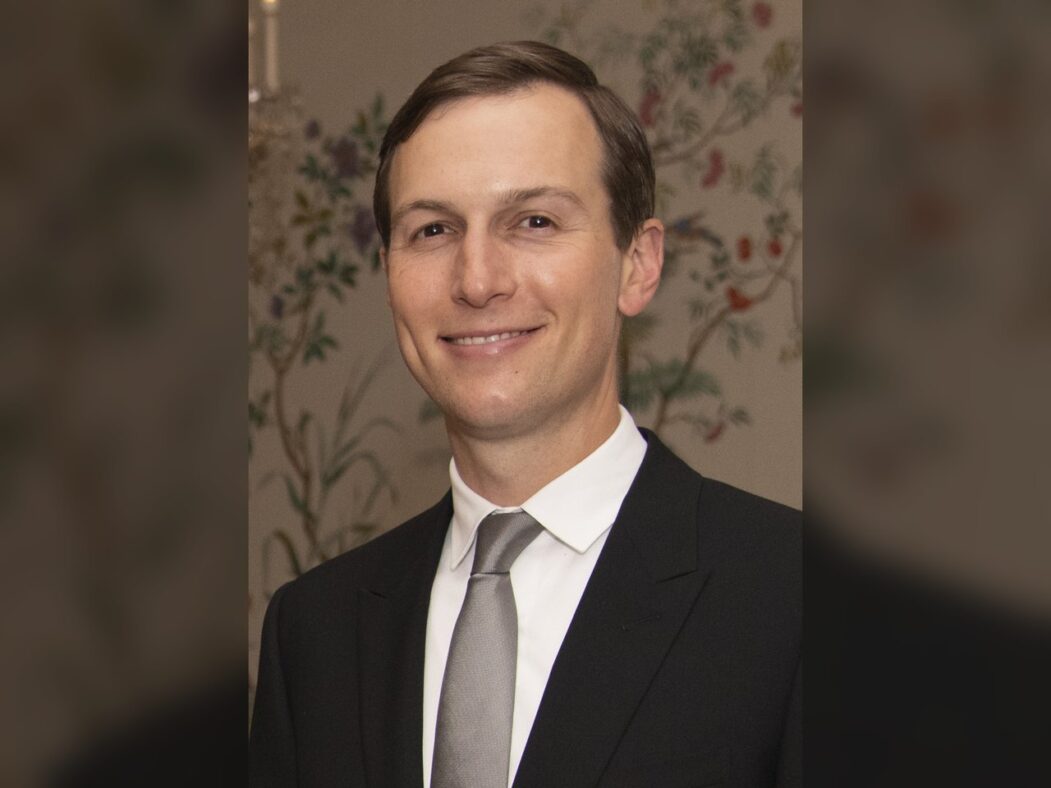
US Mission to the European Union/Wikimedia Commons
On November 28, 2026, tens of thousands of demonstrators gathered in Tirana, Albania, to protest Jared Kushner and Ivanka Trump’s $1.4 billion luxury development project, leading to violent clashes with police. The protests coincided with Albania’s 114th Independence Day and reflect growing public outrage over the project and government policies.
Protests Intensify Amid Independence Day Demonstrations
The protests, sparked by anger over the Kushner-linked resort near protected wetlands, escalated on Albania’s Independence Day. Footage shared online showed demonstrators throwing rocks, bottles, and Molotov cocktails at riot police. One notable moment captured a woman wielding a broken umbrella charging at officers as police responded with rubber bullets and tear gas.
The demonstrators carried banners bearing the slogan “Albania is not for sale,” referencing the so-called Flamingo Revolution against the planned resort near environmentally sensitive areas. The resort project has become a symbol of opposition to perceived government corruption and environmental disregard.
Background of the Kushner-Linked Development Controversy
The luxury resort development is planned on Sazan Island and coastal areas of Zvernec, locations known for their environmental significance, including habitats for flamingos and sea turtles. The deal was secured by Jared Kushner’s investment firm, Affinity Partners, in 2024. However, Albanian prosecutors have raised concerns about possible falsification of land deeds involved in the project. Businessman Artur Shehu, linked to the deal, is wanted by anti-corruption authorities.
Kushner has not been accused of wrongdoing and stated that the “title was reviewed by counsel and verified.” Despite opposition from activists and local residents, the Albanian Parliament fast-tracked the project in December 2024 by amending legislation to permit construction in environmentally sensitive areas.
Government Response and Ongoing Political Tensions
Prime Minister Edi Rama, in power since 2013, has refused to resign amid the protests and insists the project is legal and crucial for Albania’s tourism development. He rejected environmental concerns, stating, “There is absolutely no chance that the investment will stop as long as I am here.”
Instead of yielding to protester demands, Rama’s government has imposed fines on those blocking roads and public spaces. The demonstrations have been fueled by broader frustrations with government corruption, unemployment, and poor education standards, which have sustained protests in the capital since October.
Voices from the Protest
Among the protesters was Eralda Baze, a 45-year-old engineer, who spoke to Reuters expressing her discontent: “Enough is enough. The corruption, the poverty, the immigration.” The movement, largely peaceful over the summer, intensified in recent months as the government maintained its stance on the development deal.
The Flamingo Revolution has become a rallying cry for those opposing the deal, combining environmental concerns with demands for political accountability and reform.
As these protests continue, Albania faces mounting pressure to address both environmental protection and public dissatisfaction with government transparency and policies.
The developments in Tirana on November 28 represent a critical moment in the ongoing conflict between government ambitions for economic development and citizen demands for responsible governance and environmental conservation.