Putin Declares Foreign Troops in Ukraine ‘Legitimate Targets’ Amid Peace Talks
Russian President Vladimir Putin warns foreign troops in Ukraine are legitimate targets amid ongoing peace talks with US envoys.
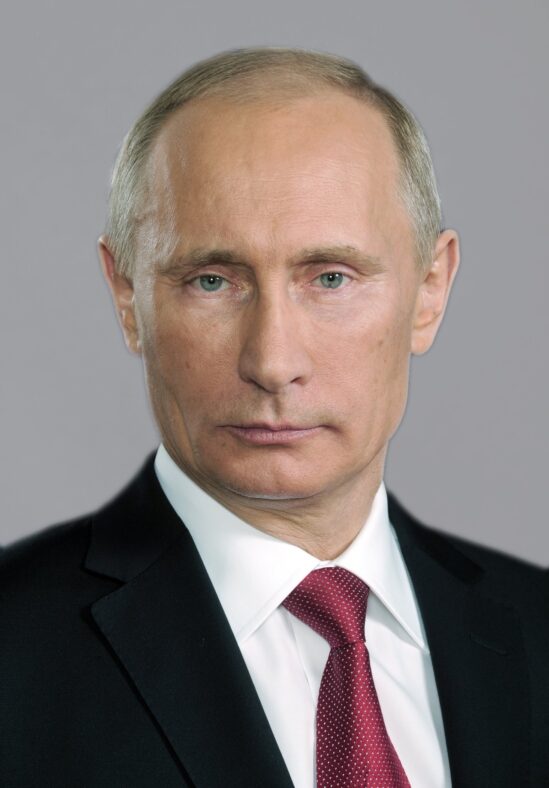
Russian Presidential Press and Information Office/Wikimedia Commons
Russian President Vladimir Putin has declared that foreign troops fighting in Ukraine are “legitimate targets,” as he met with US envoys Steve Witkoff and Jared Kushner in Moscow on Thursday. The meetings come amid efforts to revive peace negotiations following recent face-to-face talks between Kyiv and Moscow, marking a new phase in the ongoing conflict in Ukraine.
Putin’s Warning on Foreign Troops
During the Kremlin talks, Putin emphasized that the presence of foreign troops in Ukraine represents a direct threat to Russia’s national security. He stated that an estimated 15,000 to 20,000 foreign soldiers are currently involved in the conflict, noting that a significant number of these troops are believed to come from Latin American countries. His declaration that these foreign fighters are “legitimate targets” signals a firm stance on Russia’s part regarding external involvement in the war.
US Envoys and Progress in Peace Efforts
US envoys Jared Kushner and Steve Witkoff have played a crucial role in facilitating dialogue between Russia and Ukraine. Kushner conveyed to Putin that Europe desires a role in future peace negotiations, highlighting the continent’s stake in the conflict’s resolution. Witkoff pointed to a major prisoner exchange agreed upon earlier during US-led talks in Abu Dhabi as a sign of progress, although no breakthrough on broader issues such as territorial disputes was announced.
Witkoff, who has met with Putin ten times during the conflict, expressed cautious optimism when asked if peace was closer after recent talks, responding, “I hope so.” These developments come after the first direct US-mediated negotiations between Russia and Ukraine in nine months, underscoring ongoing efforts to find a diplomatic solution despite deep mistrust between Moscow and Kyiv.
Humanitarian Proposal and Recent Attacks
Putin proposed a joint Russian-Ukrainian humanitarian mission to the eastern city of Kostiantynivka. According to Interfax, he suggested this mission could follow the model of a similar initiative that allowed residents to leave the Russian-controlled town of Oleshky last month while providing aid to those who stayed. Putin also noted that Russia required five days to clear mines from the area near Kostiantynivka before such a mission could proceed.
Meanwhile, Ukrainian forces launched an eight-hour bombing raid on Russia’s largest oil refinery in Omsk, causing a massive fire. The Kyiv Independent reported the attack lasted over eight hours on Wednesday, further escalating tensions between the two sides.
European Leaders Call for Unified Approach
Amid these developments, European leaders continue to press for a cohesive strategy on Ukraine. French President Emmanuel Macron reiterated the need for “a clear and united vision” from Europe on how to approach the conflict. Ukrainian President Volodymyr Zelensky emphasized that Europe must be involved in all stages of diplomacy, warning against negotiations conducted under assumptions of Ukrainian weakness.
European leaders are meeting in Dublin to discuss the situation, reflecting the continent’s ongoing struggle to present a united front in peace talks. The absence of Europe from earlier US-brokered negotiations in Abu Dhabi has drawn criticism, with Zelensky calling the process an “absurdity” and a “masterclass in delusion and illusion.”
As the conflict persists, the recent meetings and statements reflect a complex and fragile diplomatic environment. The clear warning from Putin regarding foreign troops adds a new dimension to the conflict, while ongoing prisoner exchanges and proposed humanitarian efforts offer tentative signs of possible progress.