Rachel Maddow Explains What President Trump Gains From Press Attacks
Rachel Maddow breaks down why President Trump’s attacks on the press are less about news coverage and more about rallying his base.
PhilipRomanoPhoto/Wikimedia Commons
President Donald Trump’s recent decision to ban CNN, MS NOW, and Politico from the White House has reignited debate over his contentious relationship with the press. While the president claims the ban responds to “FICTION and LIES” reported about his administration, MSNBC’s Rachel Maddow offers a deeper analysis: Trump’s attacks are a calculated tactic to energize his supporters, not just a reaction to critical news coverage.
Trump’s Latest Press Ban Sparks Controversy
On Friday, President Trump announced that journalists from CNN, MS NOW, and Politico would no longer have access to White House press briefings or the grounds. By Saturday, reporters from these outlets found their press credentials deactivated, effectively barring them from covering the administration firsthand. This unprecedented move has drawn sharp criticism from media organizations and First Amendment advocates, including the Reporters Committee for Freedom of the Press, which called the ban “flatly unconstitutional.”
President Trump justified the ban by accusing these media outlets of spreading falsehoods about him and his administration. He also hinted that other “Fake News Media Outlets” might face similar sanctions if their coverage does not improve. The ban extends beyond Trump’s usual social media attacks, signaling a more aggressive stance toward critical journalism.
Rachel Maddow’s Theory: It’s About the Crowd Reaction
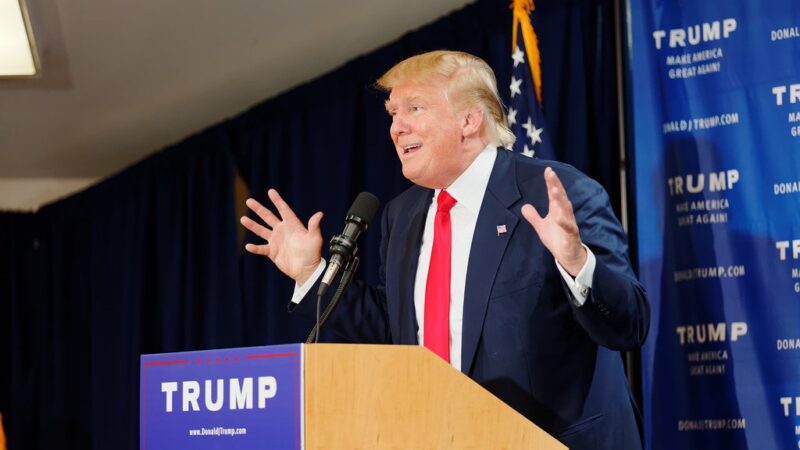
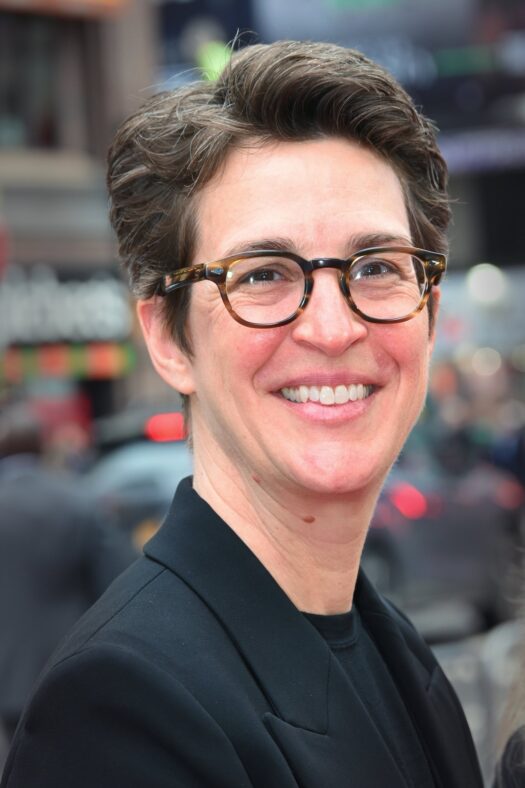
Speaking with MSNBC colleague Peter Alexander, Rachel Maddow suggested that President Trump’s press attacks are less about silencing the media and more about the political payoff he receives from his base. Maddow recalled Trump’s rallies during his initial presidential campaign and first term, where he often singled out reporters to provoke his supporters.
“He would direct the attention of the crowd to the press,” Maddow said, describing these moments as an “Orwellian two minutes hate,” during which the crowd would loudly jeer and insult journalists following Trump’s insults. This spectacle, she argued, is the real purpose behind the attacks — to whip up enthusiasm and loyalty among his audience.
Maddow emphasized that while all presidents are dissatisfied with the press to some degree, Trump uniquely relishes the hostile reaction his insults provoke. “He loves that. That’s exactly the kind of reaction he wants from the crowd,” Maddow explained.
Drawing From Authoritarian Playbooks
Maddow further connected Trump’s strategy to his affinity for authoritarian leaders like Chinese President Xi Jinping, who exercise tight control over media narratives. The timing of the press ban, shortly before Xi’s scheduled visit to the White House, led Maddow to speculate that Trump might be adopting similar tactics to suppress dissent and consolidate power.
She noted that Trump appears drawn to countries where leaders have broader authority to punish critics, contrasting with the freer press environment in the United States. This pattern of behavior underlines a larger trend in Trump’s presidency: an inclination toward manipulating public opinion through antagonism and spectacle rather than transparent communication.
Implications for the Press and Public Discourse
The White House ban on CNN, MS NOW, and Politico has raised alarm about press freedom and the role of the media in holding government accountable. Several outlets have vowed to challenge the decision legally, defending their constitutional right to access and report on the presidency.
This move also signals a more confrontational relationship between the Trump administration and journalists, which could further polarize public discourse. The ban not only restricts press access but also serves as a warning to other media organizations that critical coverage might invite similar reprisals.
Observers are watching closely to see if other media outlets will face bans and how the legal system will respond to challenges against the White House’s actions.
President Trump’s press ban marks a new chapter in his ongoing feud with the media, revealing a calculated effort to rally his base through provocative attacks rather than engage constructively with criticism. As Rachel Maddow’s analysis highlights, the spectacle of press-bashing is as much about political theater and crowd control as it is about controlling the news narrative.