Republican Leaders Speak Out Against Taxpayer-Funded Trump Ads
Several prominent Republicans publicly oppose taxpayer-funded ads promoting President Trump’s agenda in 2026.
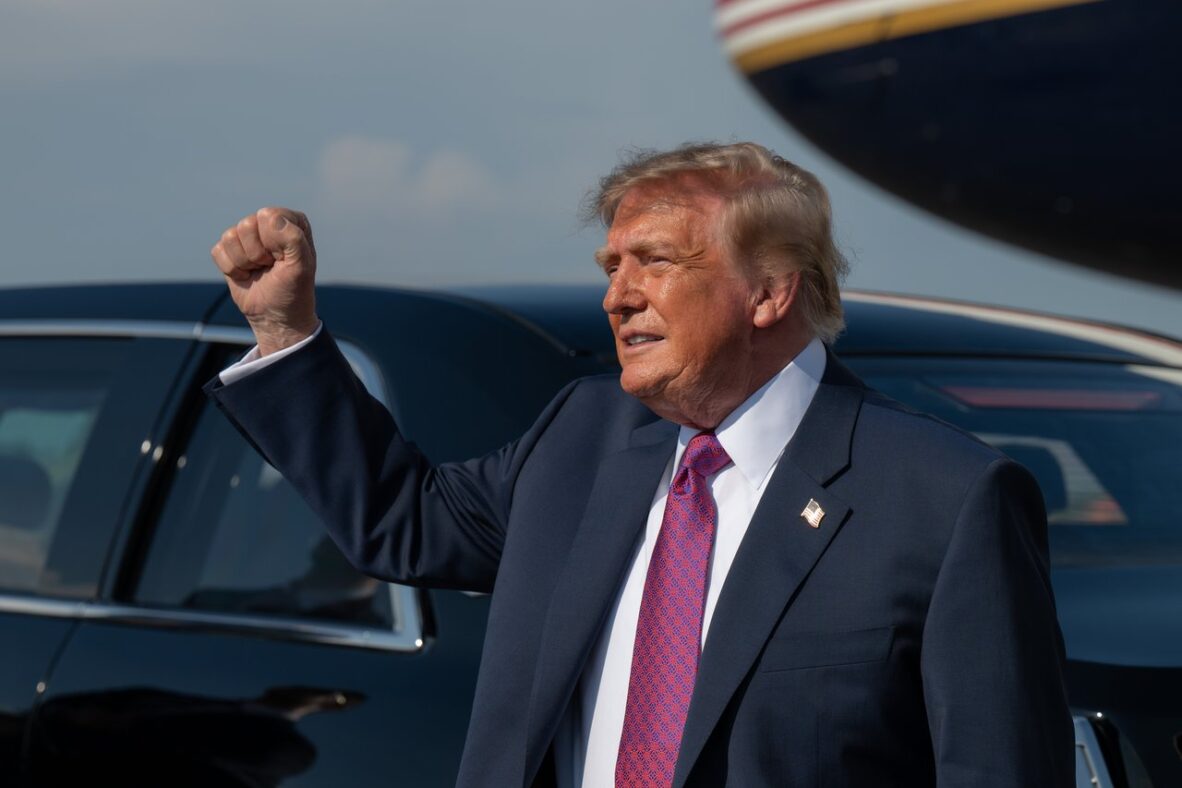
NASA/John Kraus/NASA
Several key Republican figures across the country have voiced opposition to the use of taxpayer money funding advertisements that promote President Donald Trump’s agenda, sparking debate within the party. This controversy has unfolded in multiple states, including North Carolina, where local and national GOP leaders are weighing the political and ethical implications as the 2026 midterm elections approach.
Background of Taxpayer-Funded Trump Ads
The ads in question are part of a broader federal campaign launched in early 2026 aiming to highlight policy achievements of President Trump’s administration. Funded through government public relations budgets, these advertisements have appeared on television, radio, and online platforms, frequently blurring the lines between official communication and campaign promotion. Critics argue that such spending amounts to indirect campaign financing, raising legal and moral questions.
Notable Republicans Opposing the Ads
Among the Republicans publicly opposing the taxpayer-funded ads are several influential lawmakers and party officials:
- Senator Susan Hartwell (NC) – voiced concerns over the misuse of public funds for political messaging.
- Congressman James Calloway (NC-7) – called for an immediate review of the advertising budget and transparency for taxpayer spending.
- Former North Carolina Governor Michael Bennett – criticized the ads as blurring the line between government duties and campaigning.
- State GOP Chairwoman Lisa Monroe – urged party unity but emphasized the importance of ethical campaign practices.
- Congresswoman Nancy Fields (SC) – joined the chorus of critics warning about potential legal ramifications.
These voices reflect growing unease within the party about the optics and legality of funding political advertisements with taxpayer dollars.
Legal and Ethical Concerns Raised
Legal experts have weighed in on the controversy, noting that federal law prohibits the use of government funds for campaign activities. However, the Trump administration argues that the ads merely inform the public about government programs and achievements. Opponents counter that the messaging is clearly designed to boost President Trump’s public image ahead of the 2026 midterms, which could violate campaign finance rules and the Hatch Act.
Ethically, critics worry that the ads undermine public trust in government by mixing official communications with partisan politics. Some analysts suggest this might set a precedent for future administrations to use taxpayer money for political gain, further blurring the lines between governance and campaigning.
Responses From President Trump and Supporters
The White House has defended the ads, with Press Secretary Diane Reynolds stating, “These ads are crucial for informing Americans about the successes of the Trump administration. They are not campaign materials but public service announcements paid for by taxpayers to keep citizens informed.”
Supporters of the President argue that the ads highlight important policy achievements such as economic growth, border security, and infrastructure investments. They contend that it is the administration’s responsibility to communicate these successes and that the ads should not be politicized.
Implications for North Carolina and the 2026 Midterms
As the midterm elections near, the controversy adds another layer of complexity to the political landscape in North Carolina and beyond. Republicans in the state face pressure to balance loyalty to the President with ethical governance practices. Some local GOP officials worry the ads could alienate moderate voters concerned about government overreach, while others fear internal divisions may weaken the party’s electoral prospects.
The debate also energizes Democrats, who have seized on the issue to criticize the Trump administration’s spending priorities and call for increased oversight of taxpayer funds.
In summary, opposition from Republicans against taxpayer-funded Trump ads reflects ongoing tensions within the party as it navigates the fine line between promoting the President’s achievements and maintaining ethical standards in government communication. The coming months will reveal how this controversy influences public opinion and the 2026 election outcomes in North Carolina and nationally.