Russia Launches Biggest Ballistic Missile Attack on Kyiv Since War Began
Russia launched over 40 ballistic missiles and 120 drones targeting Kyiv, causing casualties and widespread damage in one of the war’s largest strikes.
Алесь Усцінаў/Pexels
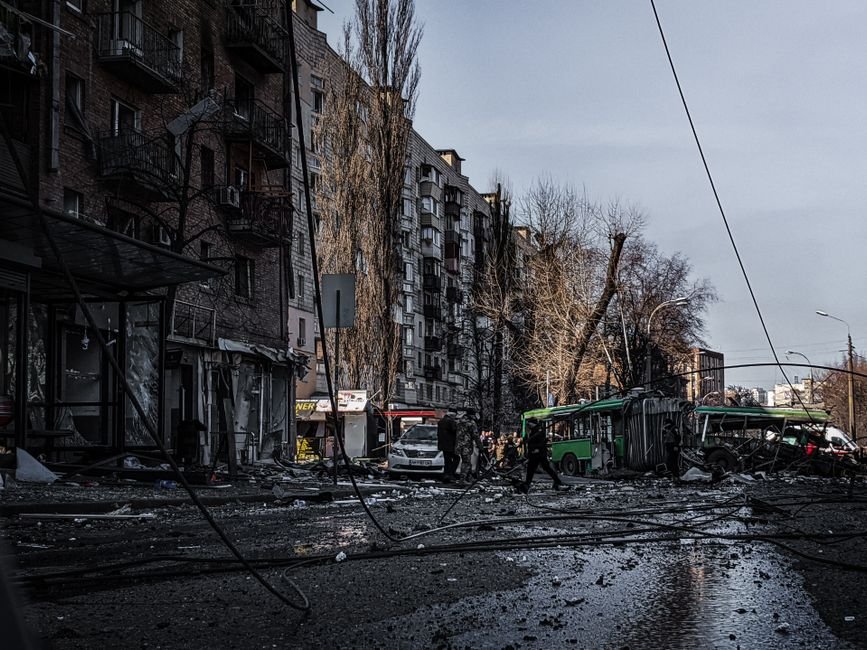
Russia unleashed one of the largest ballistic missile attacks against Ukraine since the full-scale invasion began more than four years ago, focusing a heavy barrage on the capital city of Kyiv overnight into July 20, 2026. Ukrainian forces reported over 40 ballistic missiles and 120 attack drones targeted the city, causing significant damage, casualties, and ongoing air raid alerts.
Details of the Missile and Drone Barrage
Ukraine’s air force confirmed that Moscow launched a massive combined strike employing various types of air- and ground-launched missiles alongside unmanned aerial vehicles (UAVs). Over a span of two intense hours overnight, more than 40 missiles—many ballistic in nature—and 120 drones hammered Kyiv. Acting Foreign Minister Andriy Sybiha described this as the largest number of ballistic missiles fired since the conflict began in early 2022.
Despite robust air defenses intercepting or neutralizing 126 targets, including 18 missiles and 108 drones, at least 23 missiles and 10 drones struck 20 locations throughout the capital. The strikes left large craters, scorched buildings, and severely damaged a major logistics warehouse. Emergency services reported attacks spanning five districts of Kyiv, resulting in one confirmed death and 16 injuries.
Broader Impact Across Ukraine
The missile and drone attacks were not confined to Kyiv. Across Ukraine, local authorities reported at least 16 civilian deaths and 77 injuries over the past 24 hours, primarily in the eastern Kharkiv and Donetsk regions. These attacks coincide with a recent spike in Russian strikes aimed at crippling Ukrainian infrastructure and morale.
Meanwhile, Ukrainian forces continued their own offensive operations, striking Russian energy infrastructure early Sunday. A maritime drone attack targeted the Caspian Pipeline Consortium’s export hub on Russia’s Black Sea coast, damaging two oil tankers and halting oil loading operations. No casualties were reported in that strike, which followed a similar attack on Friday.
Ukraine’s Struggle for Air Defense Capabilities
President Volodymyr Zelensky emphasized the critical need for enhanced missile interception systems to defend against Russia’s growing use of ballistic missile and drone strikes. Ballistic missiles’ high speed and complex trajectory make them especially difficult to intercept. Ukraine’s existing stockpile of US-made Patriot missile interceptors is limited and under severe demand pressure, especially due to ongoing conflicts involving US allies in the Gulf region.
Efforts are underway to bolster air defenses, including potential licensed production of Patriot systems proposed by US leadership and collaboration with France and Italy on the SAMP/T missile system. However, analysts caution that supply chains are constrained, and some alternative systems have not matched the Patriots’ effectiveness. Fabian Hoffmann of the Norwegian Institute for Defense Studies noted the limited number of suppliers and long lead times for acquiring such advanced interceptors.
Russian Military Statements and Future Threats
The Russian Defense Ministry confirmed the large-scale strike, claiming it targeted Ukrainian defense industry facilities and logistics hubs in Kyiv. Their Telegram channel declared, “We’re loaded and carrying on,” signaling an intention to continue and possibly escalate missile and drone attacks.
Military analysts believe Russia is adopting combined missile and drone barrages as a preferred tactic to overwhelm Ukraine’s defenses and degrade critical infrastructure. Phillips O’Brien, a strategic studies professor at the University of St. Andrews, warned that this bombardment strategy is expected to become more frequent in the coming months.
Amid this sustained assault, Ukrainian officials continue to appeal for increased international support to maintain their air defense capabilities and protect civilian populations from the escalating missile threat.
The intensity and scale of the latest missile attack underscore the brutal nature of the ongoing war and the critical challenges facing Ukraine as it defends its sovereignty and civilian infrastructure against relentless Russian aggression.