Saudi Arabia Shuts Down Key Oil Pipeline After Drone Attack Sparks Fires
Saudi Arabia shuts down East-West oil pipeline after drone attacks cause fires, raising concerns over regional energy security.
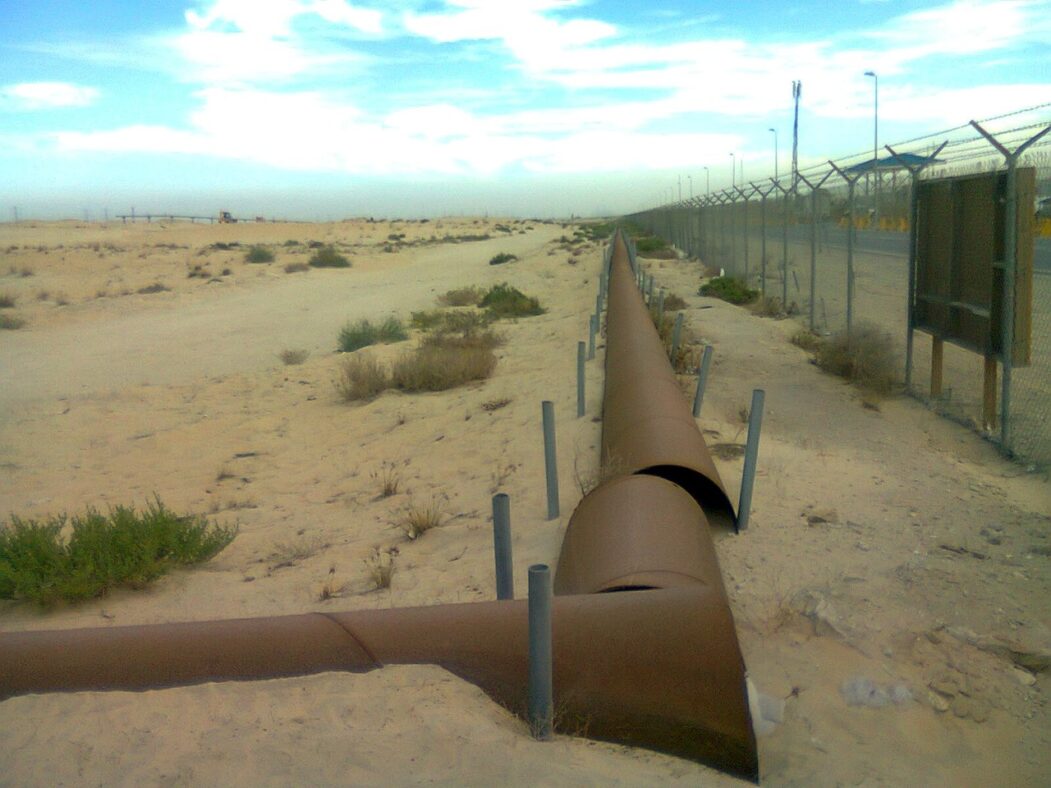
Suresh Babunair/Wikimedia Commons
Saudi Arabia has temporarily shut down its crucial East-West oil pipeline following multiple drone attacks that caused fires at pumping stations, officials confirmed on September 11, 2026. The strikes, believed to have originated from Iraq, highlight escalating regional tensions amid the ongoing Iran war and growing threats to Saudi energy infrastructure.
Details of the Drone Attacks and Pipeline Shutdown
The Saudi Ministry of Energy announced that several drones targeted the East-West pipeline and nearby pump stations in the Riyadh and Madinah regions on Thursday, September 10. The pipeline system was shut down as a precautionary measure while damage assessments and safety evaluations are underway. Satellite images from September 10 reveal extensive fire damage at pumping stations near Al Mesba’ah and Al Dhekra, with plumes of thick black smoke visible in the aftermath of the attacks.
While the pipeline itself may have escaped severe damage, the strikes injured several personnel and disrupted operations. Saudi authorities are currently working to secure the affected sites and determine the full extent of the damage, though no timeline for repairs has been announced.
Geopolitical Context and Regional Impact
The attacks come amid heightened instability in the Middle East, with Iran-backed militias in Iraq increasingly using drone strikes as part of a broader proxy conflict targeting Saudi Arabia. US officials have linked the assaults to Tehran’s strategy to pressure Arab states and challenge American influence in the region.
President Donald Trump, speaking from Dublin during a visit to Ireland, suggested Iran was likely behind the attacks. He reassured that the situation would “work out fine” and declined to elaborate on potential US responses. Meanwhile, the Saudi Ministry of Foreign Affairs condemned the strikes but said it would allow Iraq space to investigate and respond to the attacks, emphasizing the strong ties between the two nations.
In response, the Iraqi government swiftly condemned the attacks and announced an urgent investigation. Iraqi security forces have also closed several border crossings as a precautionary security measure.
Energy Market Repercussions
The disruption to Saudi Arabia’s East-West pipeline, a critical artery for transporting crude oil from the kingdom’s eastern oil fields to the western port of Yanbu on the Red Sea, has added pressure to already volatile global oil markets. Prices surged past $100 per barrel this week amid fears of further escalation and supply interruptions stemming from ongoing conflict in the region.
Saudi Aramco, the world’s largest oil producer, has yet to comment publicly on the incident. The U.S. State Department, White House, and U.S. Central Command declined immediate comment. Industry analysts warn that any prolonged outage at the pipeline could impact Saudi Arabia’s ability to export oil efficiently, potentially driving prices higher and affecting global energy security.
Strategic Implications for Saudi Arabia
The attacks underscore growing vulnerabilities in Saudi Arabia’s energy infrastructure amid the Iran war and expanding influence of Iran-backed Houthi forces in Yemen. The Houthis have recently captured strategic locations along the Red Sea, edging closer to controlling the vital Bab al-Mandeb Strait, a key maritime chokepoint for global oil shipments.
Saudi defense officials warned U.S. leaders in Washington this summer that Iran’s proxies, including militias in Iraq and the Houthis, intend to escalate pressure on the kingdom by targeting energy assets and critical transit routes. The recent drone strikes and pipeline shutdown reinforce those concerns and highlight the urgency for Saudi Arabia and its allies to bolster defenses and diplomatic efforts in the region.
As investigations continue and repair efforts proceed, Saudi Arabia faces mounting challenges in safeguarding its oil infrastructure and maintaining stable energy exports amid a complex geopolitical landscape.