Signs of Panic Among Trump and GOP Ahead of 2026 Midterms
President Trump and Republicans show growing panic with rare ad changes, aggressive campaigning, and distancing as midterms near.
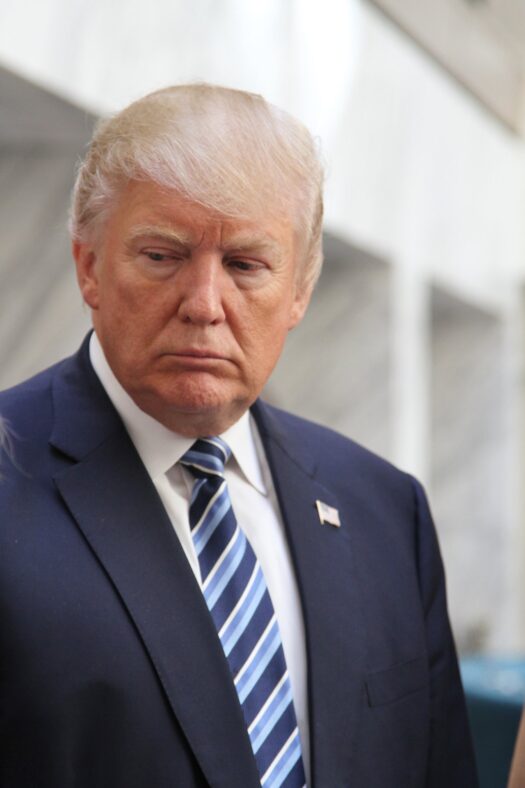
Gedalia Vera/Wikimedia Commons
As the 2026 midterm elections approach, clear signs show President Donald Trump and the Republican Party growing increasingly anxious about their prospects. Despite Trump’s public confidence in GOP success, his recent actions and shifting strategies reveal mounting concerns about the party’s chances in key states.
Trump’s Shift on Political Ads and Voting Methods
One striking indication of GOP unease is President Trump’s sudden reversal on campaign advertising. On Monday, he announced that his previously government-funded political ads would now be financed through super PAC funds, a rare 180-degree turn on a controversial stance. Additionally, Trump has begun encouraging Republicans to vote by mail, a method he had formerly criticized as prone to fraud. These moves suggest a reassessment of tactics in response to unfavorable polling and growing challenges.
Targeting Traditionally Safe Republican States
Trump’s campaign efforts have concentrated heavily on states that have traditionally been solidly Republican. Over recent weeks, he has campaigned in Alabama, Oklahoma, and Nebraska—states he won comfortably by margins of 31, 34, and 20 points respectively in the 2024 election. On Monday, he also campaigned in South Carolina, another state usually considered safely red where he won by 18 points. There, Trump launched a sharp attack on Democratic Senate nominee Annie Andrews, deploying an anti-transgender slur amid a surprisingly close race against Sen. Darline Graham, whose appointment Trump supported. The GOP is backing Graham with a $5 million funding infusion, highlighting their concern.
Expanding Defensive Battles and GOP Distancing from Trump
The Republican Party is now defending Senate seats in five states Trump won by margins between 11 and 16 points, with Kansas recently added to that list. The inclusion of Nebraska and South Carolina in this defensive lineup is especially notable given their historical GOP leanings. Equally telling is the GOP’s effort to distance itself from Trump in these red states. Examples include calls for ending the Iran war, erasing Trump references from websites, and declining to campaign with him. Texas provides a stark example: Gov. Greg Abbott is skipping a Trump event in San Antonio this week, officially citing scheduling conflicts. This is unusual for a red state where candidates once eagerly aligned with Trump.
Texas Troubles Highlight Broader GOP Anxiety
Texas presents some of the most glaring signs of GOP distress. Senate nominee Ken Paxton is struggling amid personal controversies, including an ad from his estranged wife urging voters to support Republicans despite accusing him of infidelity. Leaked audio reveals Paxton blaming Trump and the national GOP for damaging his campaign. GOP state Rep. Briscoe Cain even posted on X that if the election were held tomorrow, all statewide races would turn blue. This is remarkable given Democrats have not won a statewide race in Texas since 1994, and Cain himself is a MAGA lawmaker who supported overturning the 2020 election results for Trump.
Though the GOP faces these challenges, the path for Democrats to gain Senate control remains difficult, requiring victories in several double-digit Trump states. Past midterms show that late campaign spending in competitive but not close states often does not translate to upsets; Republicans held Kansas and South Carolina by 11 and 10 points in 2020 despite heavy spending by both parties. Still, with just under a month until November 3, the GOP’s growing desperation signals a tense final stretch for Republicans nationwide.