Tesla and SpaceX Lose Over $420 Billion in Market Value After Midterms
Tesla and SpaceX lost more than $420 billion in market value after Democrats took control of Congress and Texas turned blue.
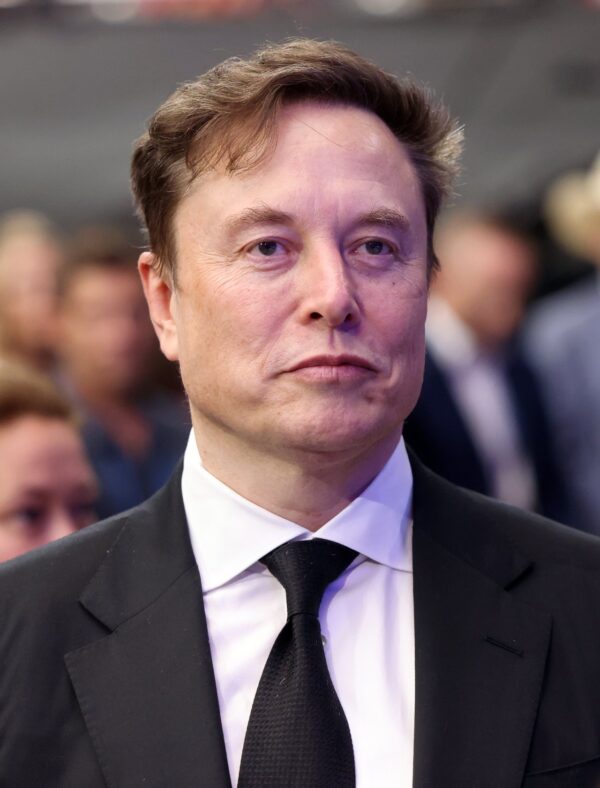
Gage Skidmore/Wikimedia Commons
Elon Musk’s Tesla and SpaceX experienced a combined market value loss of over $420 billion in just two days following the recent midterm elections, as Democrats gained control of both the House and Senate, and Texas flipped blue. Investors fear increased regulatory scrutiny and congressional probes targeting Musk’s companies could slow their AI and merger ambitions.
Massive Market Cap Drop Linked to Midterm Outcomes
After the midterms, SpaceX and Tesla shares fell sharply, declining about 9% and 11% respectively on Thursday afternoon. This sell-off was part of a broader technology sector downturn but also reflected specific concerns about Musk’s political setbacks and potential regulatory obstacles. The total market capitalization lost by both companies since Tuesday’s close exceeded $420 billion.
Musk’s personal wealth, which had surpassed $1 trillion following SpaceX’s initial public offering in June, has dropped below $800 billion. Forbes reports that Musk’s net worth declined by approximately $90 billion during the past week. Despite the losses, he remains the richest person globally.
Political Defeats and Their Impact on Musk’s Companies
Musk was the largest donor to Republican candidates and causes in the midterms, contributing more than $470 million, according to the Financial Times. However, most of the candidates he supported were defeated by Democratic opponents. The Democrats’ victory in Congress and the political shift in Texas pose direct challenges to Musk’s business interests.
In Texas, where Tesla and SpaceX are headquartered, Democrats Sen.-elect James Talarico and Gov.-elect Gina Hinojosa defeated longtime Musk allies Attorney General Ken Paxton and Governor Greg Abbott. Hinojosa campaigned on issues including data center regulation, calling for a moratorium on new approvals until stronger legislation addressing water use, electricity costs, and local control is enacted.
Regulatory and Operational Challenges Ahead
Deutsche Bank analysts highlighted the potential for increased headwinds facing SpaceX under the new political landscape. They warned that SpaceX’s plans to expand AI infrastructure and semiconductor manufacturing at Terafab in Grimes County, Texas, could face delays due to tighter rules on data center development.
SpaceX also intends to build a supercomputer at its Starbase launch facility and company town in Texas, but capital expenditures may rise to comply with forthcoming regulations. Analysts suggest that these constraints could complicate Musk’s ambitions to merge SpaceX and Tesla, a move requiring shareholder approval and now potentially hindered by enhanced regulatory scrutiny.
Congressional Probes and Military Restrictions
In addition to regulatory pressures, Musk and SpaceX have been instructed to preserve records related to restrictions imposed on a military version of the Starlink satellite internet service used in Ukraine. According to CNN, these limitations affected Ukraine’s defense capabilities against Russian attacks. The investigations add another layer of challenge for Musk’s companies amid the shifting political environment.
SpaceX and Tesla’s combined market cap had fallen approximately $420 billion by the close of business on Thursday, underscoring the significant financial impact of the midterm elections on Musk’s business empire.
These developments signal a complex road ahead for Tesla and SpaceX as political dynamics and investor confidence continue to evolve in the wake of the midterms.