The Trump Era Is Over: Political Suicide Marks a New Chapter in U.S. Politics
The 2026 midterms reveal a shifting political landscape as Trump’s era fades amid backlash and calls for virtuous leadership.
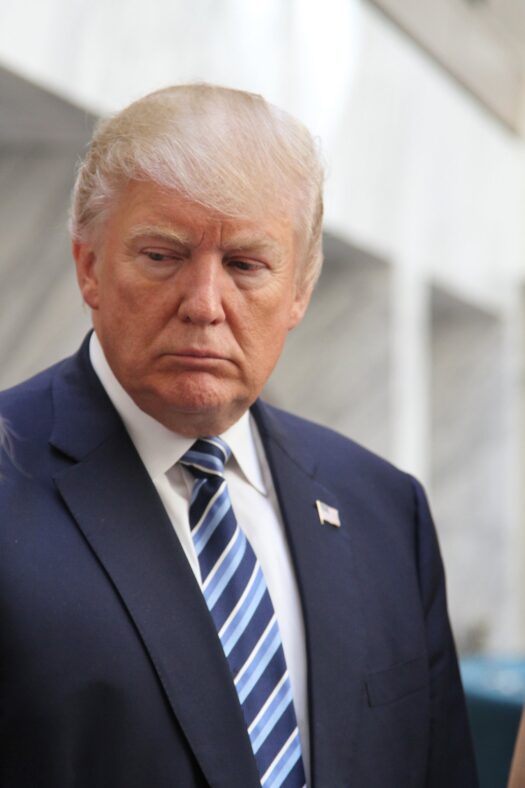
Gedalia Vera/Wikimedia Commons
The 2026 midterm elections have unveiled a dramatic turning point in American politics, signaling the end of the Trump era. Controversies like Ohio Republican Vivek Ramaswamy’s divisive campaign ad and the growing appeal of virtuous Democratic candidates highlight a public weary of extreme rhetoric and eager for leaders who inspire respect and unity.
Controversy Surrounding Ramaswamy’s Campaign Ad
One of the most talked-about moments of the 2026 midterms was the political advertisement run by Ohio gubernatorial candidate Vivek Ramaswamy, which featured the mother of his opponent, Dr. Amy Acton. The ad accused Acton of being a “liar,” referencing a deeply personal and painful family history in which Acton’s mother fled Ohio with her abusive husband after he was charged with raping Acton, his stepdaughter. Acton had not seen her mother since 1978.
The ad sparked swift backlash. Ohio’s Republican governor, Mike DeWine, urged Ramaswamy to pull the commercial, and local businesses canceled events featuring the candidate. The Cleveland Plain Dealer editorial board condemned the ad, stating Ramaswamy had “crossed a line.” Despite this, President Trump and Vice President JD Vance publicly supported Ramaswamy. Trump called the ad political “gold,” while Vance told Republicans to “stop whining” and described politics as “a tough business.” After spending $1 million, Ramaswamy removed the ad from the air.
Signs of a Shifting Political Landscape
Beyond Ohio, other races point to a changing political climate. In Kansas, a pastor is vying for a Senate seat that Democrats have not won since 1932. In Texas, a state senator and seminarian is leading in polls for a U.S. Senate seat the Democrats have not won since 1988. These developments highlight an appetite for leaders who transcend partisan politics and embody high moral standards.
While some have argued that only Trump could have survived running such a controversial ad, this assumption is challenged by the current atmosphere. Trump’s rallies now fill arenas with many empty seats, and even his most loyal followers have grown disillusioned. Senator Jon Ossoff (D-Ga.) described Trump’s speeches as “two hours of senile babbling.” Additionally, some Catholic bishops who once prayed over Trump have since distanced themselves, with Milwaukee Archbishop Jeffrey S. Grob calling the encounter a mistake and Denver Archbishop James R. Golka clarifying it was never meant as an endorsement.
Public Dissatisfaction with President Trump
Americans’ dissatisfaction with President Trump’s performance is widespread. Issues such as high gas and grocery prices, urban violence resulting in innocent deaths, mass deportations impacting migrant families vital to the economy, and escalating tensions leading toward war with Iran have all contributed to a sense of betrayal. These outcomes contradict Trump’s 2024 campaign promises to reduce costs, deport only migrant criminals, and avoid foreign wars.
Trump’s approval ratings have sunk to historic lows. Instead of addressing pressing problems, the president has focused on personal projects like building a ballroom and an arch, decorating the White House with gold, and defacing the Reflecting Pool on the National Mall. Former President Barack Obama likened this ostentation to Saddam Hussein opening a Cheesecake Factory.
The Path Forward: A Demand for Virtuous Leadership
The future remains uncertain as Americans grapple with complex issues such as healthcare reform, job losses from artificial intelligence, housing shortages, childcare costs, and the ongoing conflict with Iran. Solutions vary widely and no consensus has emerged.
Amid this uncertainty, there is a clear call for an end to divisive rhetoric and a return to leadership marked by competence, compassion, and moral integrity. Historical examples of such leadership include Jimmy Carter, who after Watergate promised a government “as competent, as compassionate, as good” as the American people, and Ronald Reagan, admired even by political opponents for his personal conduct and dignity.
The competitive campaigns of Democrats Adam Hamilton in Kansas and James Talarico in Texas exemplify this emerging era. They represent a move away from partisan extremes toward leaders who serve as role models and inspire admiration. As political scholar John Kenneth White noted, the “springs of government may be back in motion,” but the Trump era is over, with its demise best described as political suicide.
Americans now seek leaders who embody virtue and unity, signaling a profound shift in the nation’s political landscape as the 2026 midterms conclude.