Trump Administration Seeks Supreme Court Curtailment of Judges’ Power Over Federal Agencies
President Trump’s Justice Department appeals to Supreme Court to restrict judges’ power to block federal agency actions nationwide.
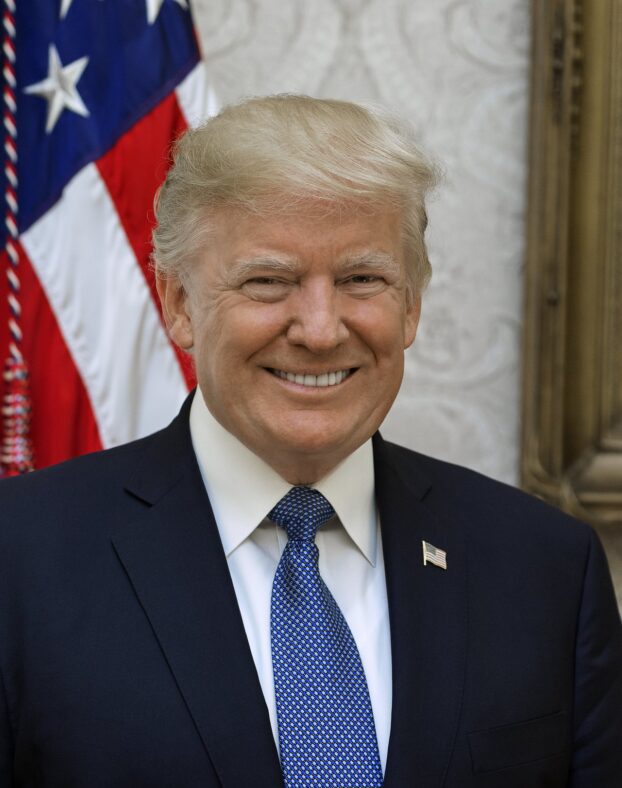
Shealeah Craighead/Wikimedia Commons
The Trump administration is pushing the US Supreme Court to further limit the ability of federal judges to block executive actions nationwide. On November 14, 2026, an appeal filed by the Justice Department seeks to restrict judicial authority over federal agencies, aiming to protect President Donald Trump’s policy agenda from broad legal challenges.
Background of Judicial Restrictions on Nationwide Injunctions
Last year, the Supreme Court ruled to restrict federal judges’ power to issue nationwide injunctions that block government policies from applying to anyone beyond the litigants in a case. This decision was a significant victory for President Trump, who has faced numerous court orders halting his policies. The June ruling targeted judicial overreach but left untouched other legal tools that courts use to challenge federal agency actions.
Since returning to office in January 2025, President Trump and his allies have criticized judges who have impeded his policies, often labeling them as radical or corrupt. The administration has litigated aggressively to push the boundaries of presidential authority and limit judicial interference.
The New Legal Challenge Targeting Agency Regulations
The current appeal arises from a lawsuit filed by Texas medical providers challenging federal regulations implementing a law signed by Trump during his first term to reduce surprise medical bills. The Justice Department’s argument urges the Supreme Court to narrow the power of judges to invalidate agency rules entirely, instead allowing courts to limit relief only to the specific plaintiffs involved.
Experts note that a ruling favoring the administration could mean agencies continue enforcing disputed regulations broadly, even if courts find them unlawful, while litigation proceeds. Aditya Bamzai, a University of Virginia administrative law expert, said, “Siding with Trump would give more flexibility to the executive branch,” though opinions vary based on views of the administration’s policies.
Impact on Administrative Procedure Act and Executive Authority
The lawsuits targeted by the Trump administration are based on the Administrative Procedure Act (APA) of 1946, which governs how federal agencies operate and implement regulations. Under the APA, courts have long held the power to “hold unlawful and set aside” agency rules deemed illegal, often invalidating them on a nationwide scale.
Trump’s administration has faced hundreds of lawsuits invoking the APA, challenging policies on immigration, deportation, diversity programs, and transgender rights. Plaintiffs have also used the APA to contest actions such as ending humanitarian protections for migrants, cutting research grants related to minorities and LGBTQ+ communities, and deploying mass voter verification systems.
Debate Over Judicial Role and Executive Overreach
Supporters of the courts’ power argue that invalidating unlawful regulations nationwide is crucial to prevent executive overreach and ensure uniform application of rules. Ronald Levin, a law professor at Washington University in St. Louis, emphasized that some rules, like food-safety or auto-safety regulations, must apply equally to all, not selectively.
Proponents say the judicial tool is an essential check on the executive branch, while opponents see it as an obstacle to efficient governance. The Supreme Court’s 2025 ruling limiting universal injunctions addressed judicial power but did not decide on the legality of Trump’s birthright citizenship policy, which the justices separately rejected as unconstitutional.
The Supreme Court is expected to decide early next year whether to hear the current appeal, marking another pivotal moment in the ongoing struggle over the balance of judicial and executive power.
President Trump’s effort to extend restrictions on nationwide judicial relief signals a continued push to insulate his administration’s policies from sweeping legal challenges, shaping the future of federal regulatory enforcement and judicial oversight.