Trump Faces Growing Pressure as Epstein Files Bill Nears Key Signature
A bipartisan bill to release more Epstein documents nears crucial House vote, sparking concern within President Trump’s administration.
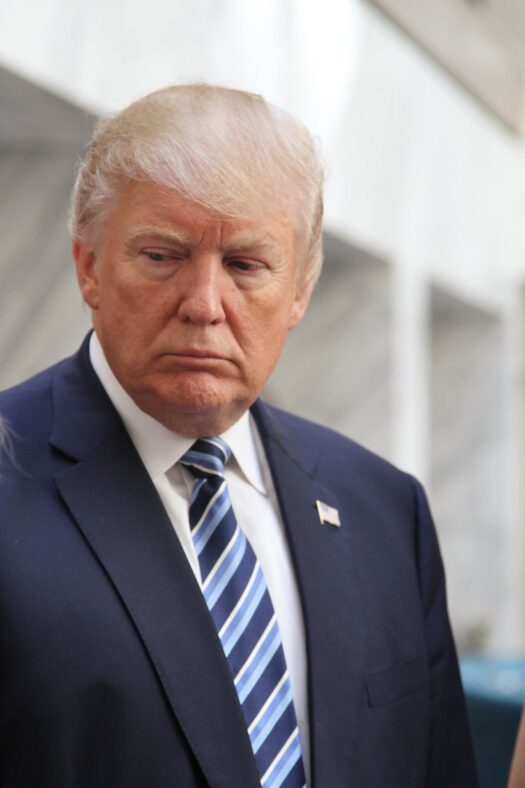
Gedalia Vera/Wikimedia Commons
A new bipartisan effort to compel the release of additional Jeffrey Epstein files is rapidly gaining momentum in the U.S. House of Representatives, placing President Donald Trump’s administration under increasing political strain. The Epstein Files Transparency Act sequel, spearheaded by Reps. Thomas Massie (R-KY) and Ro Khanna (D-CA), is closer than ever to securing the 218 signatures needed to force a House vote before the upcoming congressional recess.
Background and Significance of the Epstein Files Bill
Following last year’s successful passage of the Epstein Files Transparency Act (EFTA), which mandated the release of millions of documents related to convicted sex offender Jeffrey Epstein, lawmakers now seek to expose additional Justice Department files alleged to have been unlawfully withheld. The newly introduced bill aims to shed further light on the Epstein case, including documents critics believe may implicate powerful figures.
The original EFTA was a landmark in congressional efforts to increase government transparency on this high-profile case. However, persistent accusations of incomplete disclosures have fueled bipartisan support for the follow-up legislation.
Building Momentum: Discharge Petition Nears Threshold
The current bill is advancing through a discharge petition—a parliamentary tactic used to bypass committee roadblocks and force a floor vote. As of Monday night, 160 House members had signed on to the petition, inching closer to the 218 signatures required. Rep. Khanna emphasized that Wednesday and Thursday are the last days to secure the remaining endorsements before Congress adjourns for recess.
Khanna has expressed optimism that Massie, a vocal advocate for transparency, will deliver the crucial final signature needed to trigger a vote. The bipartisan nature of the effort, with members from both parties signing the petition, highlights the widespread concern over withheld Epstein-related materials.
White House Response and Political Pressure
Lawmakers involved in the bill’s progression report significant resistance within Republican ranks, largely attributed to pressure from President Trump’s administration. Massie has publicly acknowledged that some GOP colleagues hesitate to support the petition due to White House influence, particularly those seeking reelection in competitive districts and gubernatorial races.
In a recent CNN interview, Massie appealed to his Republican peers to act decisively, arguing that taking credit for greater transparency could benefit them politically. Despite this, many remain reluctant, fearing repercussions from the administration.
Impact on President Trump’s Political Standing
Rep. Khanna criticized the Trump administration’s handling of the Epstein files, linking it to broader political vulnerabilities. He accused President Trump of reneging on campaign promises, including commitments to release all Epstein-related documents and avoid new conflicts abroad.
Khanna warned that the administration’s attempts to suppress information have exacerbated public distrust and could jeopardize Republican prospects in the upcoming midterm elections. “They’re in a panic trying to save the midterms,” he said, “but these efforts are unlikely to succeed.”
As the discharge petition deadline looms, all eyes are on Capitol Hill to see if the bipartisan coalition can override White House opposition and force a pivotal vote on the bill that could unlock more sensitive Epstein files.