Trump Fires Seattle’s Newly Court-Appointed U.S. Attorney Within Hour of Swearing-In
President Trump fired Roger Rogoff, court-appointed U.S. attorney in Seattle, less than an hour after his sworn-in appointment.
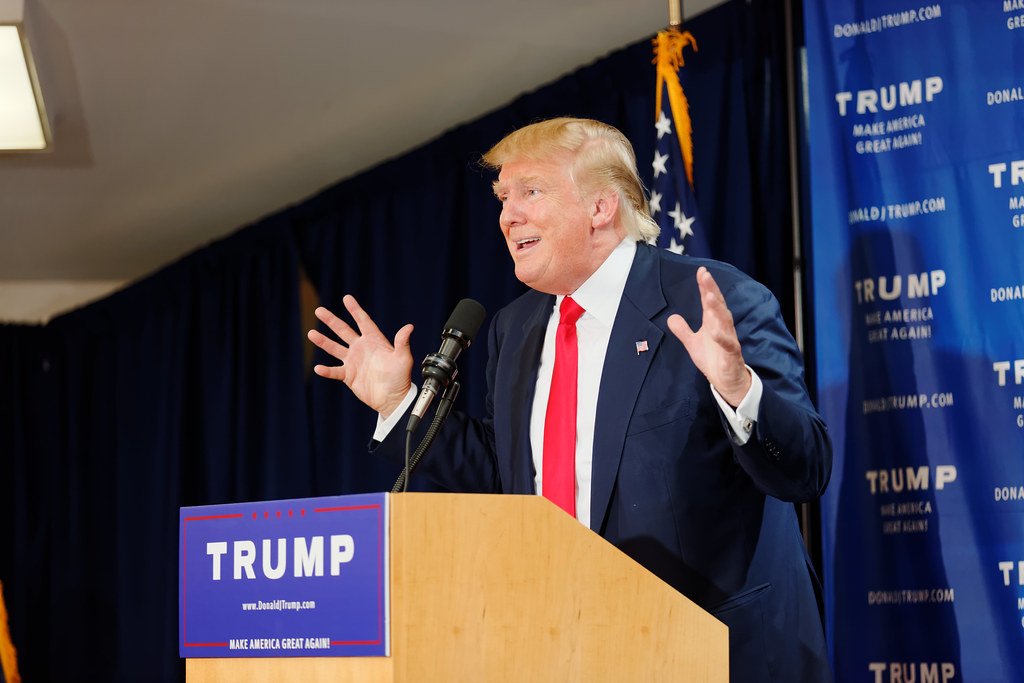
Michael Vadon/Flickr
President Donald Trump abruptly removed Roger Rogoff, the newly appointed top federal prosecutor for Seattle, less than an hour after Rogoff was sworn in by federal judges on July 16, 2026. This unprecedented move highlights ongoing tensions between the Trump administration and the federal judiciary over control of key prosecutorial appointments.
Unprecedented Immediate Firing After Unanimous Court Appointment
Roger Rogoff, a veteran prosecutor and former judge, was unanimously appointed by Seattle’s federal judges early Wednesday morning as the U.S. attorney for the Western District of Washington. After his swearing-in ceremony at the U.S. courthouse downtown, Rogoff went to the U.S. Attorney’s Office intending to meet with Charles Neil Floyd, the interim U.S. attorney whose temporary appointment expired earlier this year.
As Rogoff waited in the lobby, he received an email from the Trump administration notifying him of his immediate dismissal. Rogoff has since indicated he is consulting legal counsel about potentially challenging the firing in court. The move marks one of the quickest dismissals of a court-appointed U.S. attorney in recent history.
Legal Battle Over Appointment Authority and Administration Tactics
Typically, U.S. attorneys are nominated by the president and confirmed by the Senate, ensuring executive branch oversight. However, when temporary appointments expire without Senate confirmation, federal district judges have the authority to appoint a U.S. attorney themselves. This judicial appointment process is rarely contested — until now.
The Trump administration has repeatedly resisted allowing court-appointed prosecutors to serve, instead employing creative personnel maneuvers to keep unconfirmed nominees in office indefinitely. In Seattle, after Floyd’s 120-day interim term ended in February, the administration shifted his title to first assistant U.S. attorney to circumvent the vacancy without Senate confirmation.
Federal appellate judges have expressed skepticism about the legality of such maneuvers. In response, Seattle’s federal judiciary launched an application process for the position, resulting in Rogoff’s unanimous selection by a panel of 17 judges appointed by five different presidents.
Political Reactions and Implications for Justice Department Independence
Washington Senator Patty Murray, a vocal critic of Floyd’s interim tenure, condemned the firing. She praised Rogoff’s qualifications and criticized the Trump administration for ignoring the established advice-and-consent process. “This administration doesn’t want to deal with advice and consent — they just want to install cronies to carry out a corrupt political agenda,” Murray said in a statement.
Similar controversies have unfolded in other districts, including New Jersey and Virginia, where court-appointed U.S. attorneys have also been dismissed by Trump’s administration. In some cases, courts have ruled appointments unlawful, leading to dismissal of indictments brought by those prosecutors.
Acting U.S. Attorney General Todd Blanche defended the administration’s actions on social media, stating that while district judges can appoint temporary U.S. attorneys, the president retains the authority to remove them. He also criticized the judges for bypassing consultation with the administration in making appointments.
Roger Rogoff’s Career and Reaction to Firings
Rogoff, whose prosecutorial career spans over two decades at the state and federal levels before serving as a state judge, expressed no regrets about accepting the appointment despite the risks. He described the U.S. attorney role as “the best job there is” for a prosecutor and took pride in being selected by his peers.
“The fact that the judges of this district — most of whom I’ve spent my career appearing in front of, or trying cases against, or working with — believed that I was the right person to do this work is just really humbling and amazing,” he said.
Rogoff’s quick dismissal underscores the growing clash between the judiciary’s efforts to assert appointment authority and the Trump administration’s desire to maintain loyalists in key prosecutorial roles.
This latest incident in Seattle adds to the ongoing debate over the balance of power in federal prosecutorial appointments and raises questions about the future independence of the Justice Department under the Trump presidency.