Trump Orders to Install Warning Signs of ‘Inaccurate Information’ Outside Smithsonian Museum
President Trump directs National Park Service to install signs outside Smithsonian museum citing alleged inaccuracies in exhibits.
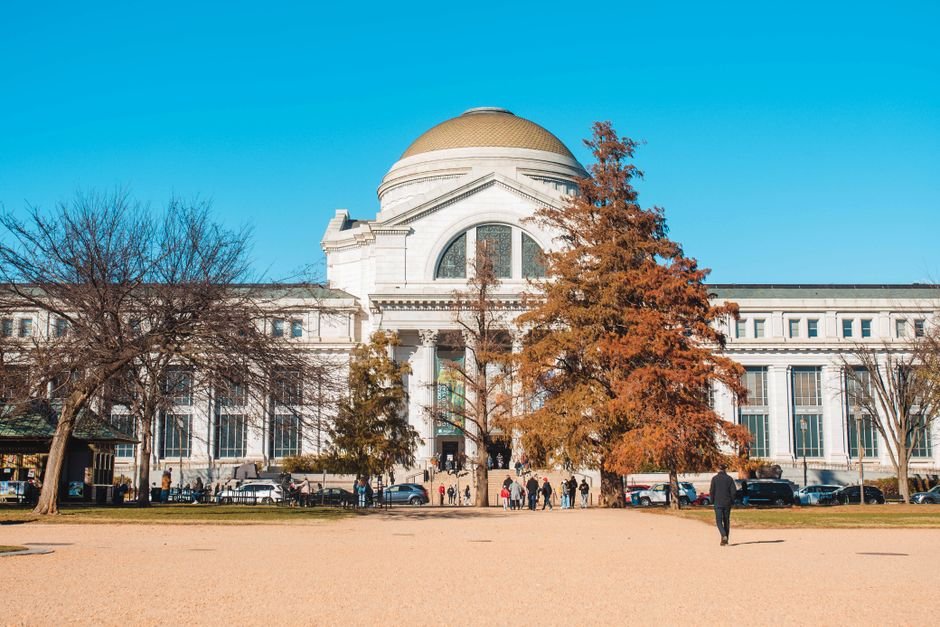
Lisa Marie Gonzalez/Pexels
President Donald Trump issued an executive order on Friday, July 25, 2026, instructing the National Park Service to place temporary signage near the Smithsonian’s National Museum of American History. The signs will warn visitors that some exhibits contain what the administration calls “inaccurate information.” The order marks the latest move in the Trump administration’s ongoing effort to reshape how American history is presented in national institutions.
Details of the Executive Order and Signage Requirements
The directive requires the National Park Service, which manages the sidewalks outside several Smithsonian museums along the National Mall in Washington, D.C., to install signs promoting a recent White House report. This report, released by the White House Domestic Policy Council on July 4, 2026, criticizes the Smithsonian for advancing “radical,” left-wing ideologies through its exhibits.
The signage must inform museum visitors that the exhibits should be revised to align with the report’s findings. Additionally, the signs are to direct visitors to unspecified “locations and resources for accurate information” about the nation’s history. However, the order does not specify what these alternative resources are or where they can be found.
White House’s Criticism of Smithsonian Exhibits
The White House report accuses the Smithsonian’s National Museum of American History of promoting “extreme political activism” that seeks to transform the country’s narrative in a way that the administration views as unfavorable. It alleges that the museum’s content reflects a biased perspective, distorting the nation’s historical record.
In a fact sheet released alongside the order, the White House claimed that “President Trump is fighting back to restore one of the Nation’s greatest civic treasures to its founding mission and purpose and reestablish truth in the Nation’s historical narrative.” This move follows a similar executive order issued in March 2025 aimed at combating what the administration described as “historical revisions” that paint America in a negative light.
Smithsonian’s Status and Response
The Smithsonian Institution, an independent agency, operates outside direct executive branch control despite receiving substantial federal funding. The National Park Service, which manages the outdoor spaces where the signs will be installed, is part of the Department of the Interior, meaning the administration is leveraging its influence there to enforce this directive.
Vice President JD Vance, a vocal conservative figure, sits on the Smithsonian’s board of regents, adding political complexity to the institution’s governance. Smithsonian officials have consistently maintained that the museum system will preserve its autonomy and resist political interference in its exhibits and personnel decisions.
As of Friday, Smithsonian representatives declined to comment on the new signage order.
Broader Context of Historical Narrative Debates
This order is part of a broader cultural and political battle over how American history is taught and interpreted. Supporters of the administration argue that institutions like the Smithsonian have strayed from objective history and instead promote partisan narratives. Critics counter that these efforts are attempts to whitewash or sanitize history and suppress important discussions about race, inequality, and systemic injustices.
Legal experts also note that while the executive branch controls funding, attempts to dictate museum content raise questions about institutional independence and freedom of scholarly inquiry.
Implications for Visitors and Museum Operations
The installation of these warning signs may alter the visitor experience at the National Museum of American History, potentially sowing confusion or distrust among the public about the exhibits’ accuracy. Museum staff may face increased scrutiny or pressure as a result of the administration’s directive.
It remains to be seen how long the signs will remain in place, how the public will respond, and whether the Smithsonian leadership will take steps to modify exhibits as the administration suggests.
As this story develops, the debate over the nation’s historical narrative and the autonomy of cultural institutions continues to unfold at the intersection of politics, history, and public education.