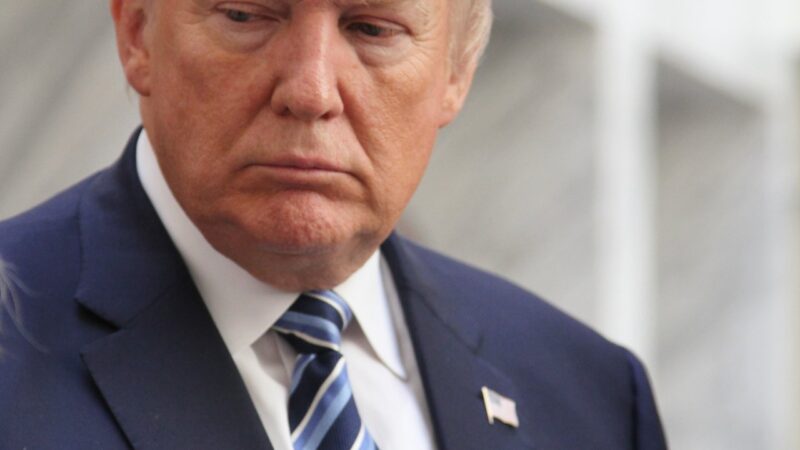
Trump Signs Memo Allowing US Firms to Conduct Cyber Attacks on Criminal Networks
President Trump authorizes US companies to carry out government-supervised cyber attacks targeting foreign criminal organizations.
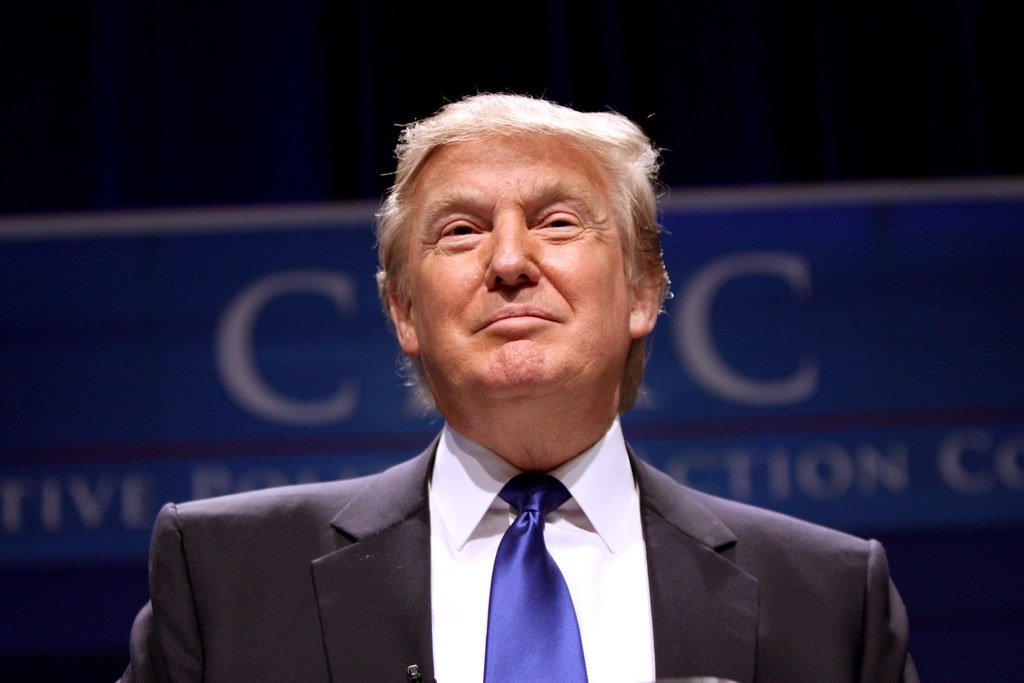
Gage Skidmore/Flickr
On August 13, 2026, President Donald Trump signed a national security memorandum authorizing American private companies to conduct cyber operations against transnational criminal organizations under federal oversight. This unprecedented directive aims to strengthen the US government’s cyber capabilities by leveraging private sector innovation to combat cybercrime and foreign threats.
Details of the National Security Presidential Memorandum
The new memo, issued by the White House, instructs federal agencies to partner with vetted US firms, enabling them to carry out offensive cyber operations targeting criminal groups and foreign adversaries. It emphasizes that these companies will operate under the direction, control, and authority of the federal government, ensuring accountability and oversight.
The directive highlights the technological superiority of the American private sector, describing it as the most innovative and advanced globally. By tapping into this expertise, the government seeks to enhance its ability to disrupt ransomware schemes, financial fraud, and other cybercrimes orchestrated by foreign-based transnational criminal organizations (TCOs).
Framework for Private Sector Involvement
The memo establishes a framework encouraging private companies to collaborate not only with the federal government but also with state, local, tribal, and territorial agencies. These partnerships will facilitate the sharing of threat intelligence and enable coordinated cyber operations against designated targets.
The Department of Homeland Security (DHS), through its National Coordination Center under the Homeland Security Task Force, will oversee a new program dedicated to specific cyber operations aimed at disrupting foreign TCOs. DHS and the Department of Justice will jointly supervise these efforts.
Participating companies will be required to maintain a bond or escrow of at least $1 million and will conduct activities including cyber surveillance and cyber effects operations. The latter may involve manipulation, disruption, denial, degradation, or destruction of information systems or infrastructure controlled by criminal entities.
Implications and Controversies
While the involvement of private firms in cyber defense is not new, this memo marks a significant expansion by formally authorizing companies to execute offensive cyber operations under government direction. Such a move has sparked debate among cybersecurity experts, policymakers, and civil liberties advocates.
Critics warn that outsourcing cyber attacks to private entities could lead to unintended consequences, including escalation of cyber conflicts, legal ambiguities, and challenges in inter-agency coordination. Supporters argue that leveraging private innovation is essential to counter increasingly sophisticated cyber threats effectively.
Previous administrations have relied on private sector partnerships to bolster cybersecurity, but the Trump administration’s directive represents a bold step towards integrating private companies directly into offensive cyber operations.
Local and Regional Impact
For communities in Wayne and Duplin counties and across North Carolina, this policy could have significant security implications. Cybercrime, including ransomware and fraud, affects both public institutions and private businesses in the region.
Enhanced collaboration between federal agencies and local entities, supported by private sector cyber capabilities, may improve detection and disruption of cyber threats targeting North Carolina’s infrastructure and economy.
However, local leaders and cybersecurity professionals will need to closely monitor how these operations impact privacy, civil liberties, and local cybersecurity protocols to ensure responsible implementation.
As the government moves forward with this initiative, residents and organizations in the region are advised to stay informed and engage with cybersecurity resources to protect against emerging threats.
President Trump’s signing of this memo signals a new chapter in the US approach to cyber warfare and crime prevention, blending public authority with private sector agility in unprecedented ways.