Trump’s Approval Drops Among Voters Without College Degrees After Midterms
President Trump’s approval among Americans without college degrees declined after midterms, raising concerns for GOP ahead of 2028.
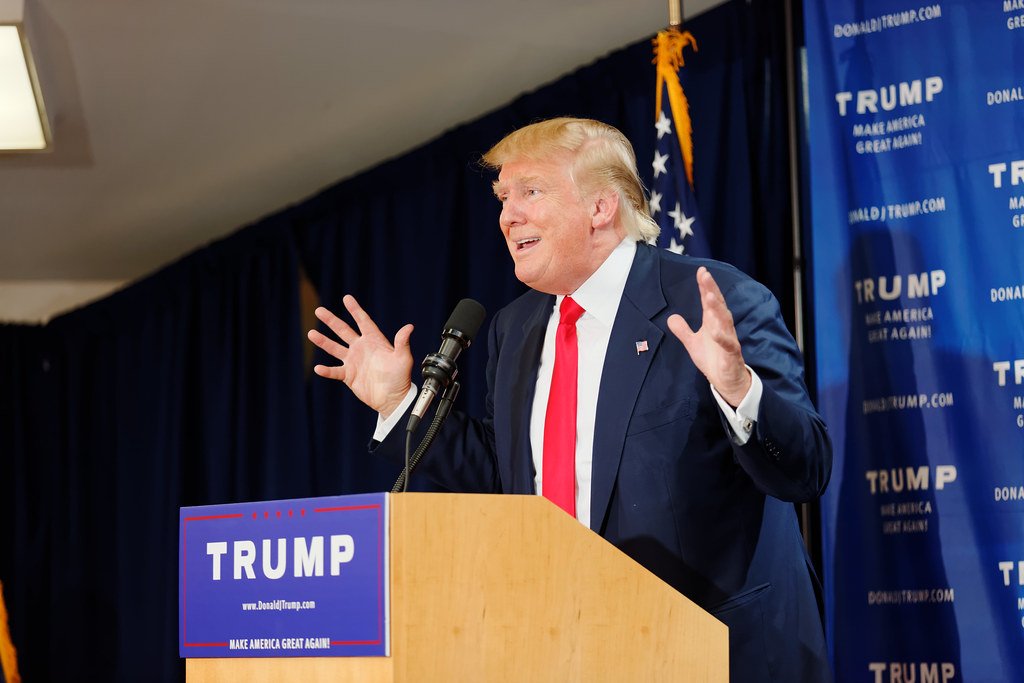
Michael Vadon/Flickr
President Donald Trump’s approval ratings among Americans without college degrees have declined significantly since the midterm elections, according to recent polling data. This shift threatens the Republican Party’s hold on a crucial voter demographic ahead of future elections.
Sharp Decline in Approval Among Non-College Voters
Between late October and late November, President Trump’s net approval among voters without college degrees dropped 16 points across five Economist/YouGov polls, an analysis by Newsweek revealed. The most notable decline occurred during the week following the midterms, indicating a direct impact from the election outcomes.
Adding to this, a separate Prolific panel study tracking the same respondents before and after the midterms reported a 7-point fall in Trump’s approval, reaching minus 42 after the midterms from a relatively steady minus 34 to minus 35 beforehand. These consistent trends across different polling sources underscore the significance of the drop.
Impact on Republican Coalition and Voter Behavior
These voters, while not the most loyal Trump supporters, represent a vital segment of the Republican coalition. According to Oriol Bosch Jover, head of polling at Prolific, “These are not Trump’s most loyal voters, but they are people the Republican coalition needs: Republicans who turn out only some of the time, and independents who lean their way.”
Joseph Lopez, a Republican strategist working with local GOP candidates in Texas, explained the dynamic further: “Promises have a shelf life. These voters gave Trump credit on prices and paychecks. When the receipts don’t show up, his approval goes down with them.” This suggests that unmet economic expectations are driving dissatisfaction.
Economic Issues Fueling Discontent
Cost of living challenges and inflation weigh heavily on Americans without college degrees, a group that has become increasingly important to the Republican base. Political science professor Costas Panagopoulos warned that the trend points to a “serious fracture” in the GOP’s support among this demographic. He said losing their backing would be “extremely damaging for Trump and the GOP brand.”
Trump has faced criticism for policies contributing to economic strain, including tariffs and involvement in the war in Iran, which have driven up gas prices and living costs. Many in this group feel overlooked or ignored as these issues persist, further eroding support.
White House Response and Outlook
In response to polling questions, White House spokesman Davis Ingle reiterated familiar talking points, highlighting tax cuts, increased employment, and 20 secured trade deals. He stated, “President Trump will never stop delivering results for the American people.” However, the polling data suggests a disconnect between these claims and voter sentiment.
Analysts caution that the declining approval among key voters could have consequences beyond the 2026 midterms. Even if Trump is not on the ballot in 2028, those traditionally supportive voters may choose to stay home, posing challenges for the Republican Party’s electoral prospects.
With the holiday season underway, President Trump’s lavish Thanksgiving party at Mar-a-Lago in 2026 has drawn criticism for appearing out of touch with the economic realities facing many Americans, potentially compounding the political difficulties ahead.
As the GOP navigates this shifting landscape, the party’s ability to address the concerns of voters without college degrees will be critical to maintaining and expanding its coalition in future elections.