Trump’s Extortion Plot Exposed as Ukraine Faces Intelligence and Starlink Restrictions
Ukraine faces intelligence sharing limits and Starlink restrictions after Trump lifts sanctions on Russian diesel, aiding Putin’s war efforts.
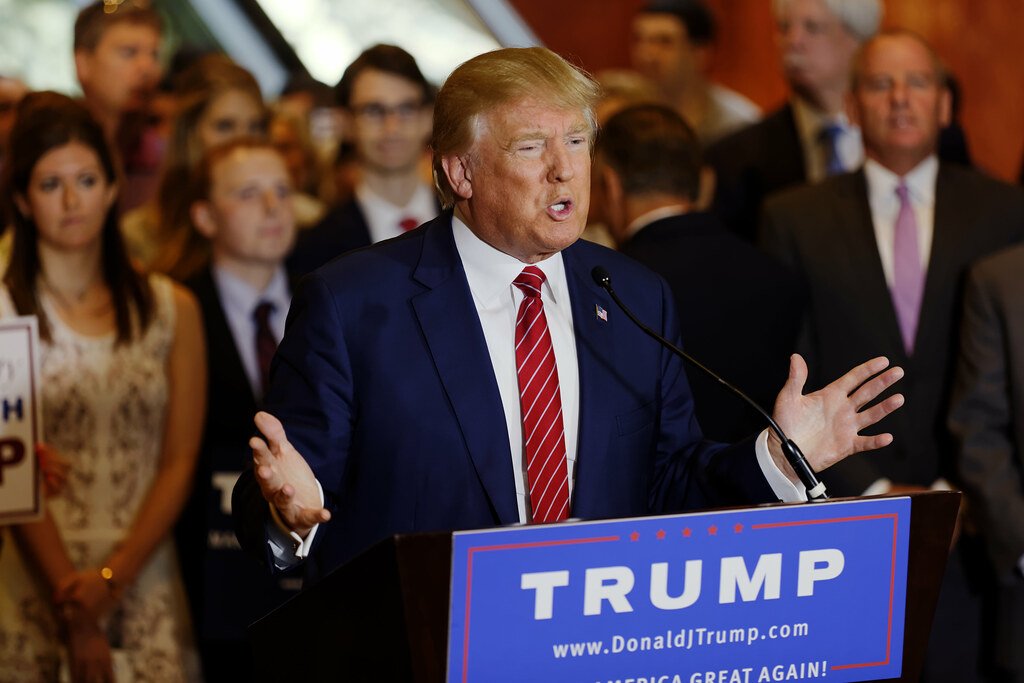
Michael Vadon/Flickr
Ukraine is confronting new challenges in its defense as President Donald Trump’s alignment with Vladimir Putin leads to reported threats of intelligence sharing cuts and restrictions on Starlink internet access amid ongoing conflict. These developments spotlight growing concerns about Washington’s shifting support as the war in Ukraine continues.
U.S. Intelligence Warnings and Russian Strikes
U.S. intelligence officials reportedly warned Ukraine that intelligence sharing could be halted if Kyiv continued targeting Russian oil refineries. This message, described by a Ukrainian security adviser and a Western official, was perceived as a threat by Ukrainian leaders despite reminders that the U.S. continues to provide weapons under the Prioritized Ukraine Requirements List (PURL), through which European countries purchase American-made arms for Ukraine.
Following these warnings, Russia launched several ballistic missile attacks on Ukraine without providing the customary advance notice to civilians, resulting in limited sheltering time. These strikes targeted Ukraine’s energy sector in Kyiv and Kharkiv just after President Trump claimed a ceasefire had been reached, a declaration the Kremlin later rejected due to lack of specific terms.
Starlink Restrictions Spark Concerns
Ukraine reported limitations on its use of Starlink satellite internet, a critical tool for military operations operated by Elon Musk’s SpaceX. Serhii Beskrestnov, a military technology adviser to President Zelensky, confirmed that SpaceX implemented speed restrictions on Starlink terminals while in motion, specifically limiting the StarShield military service package to 100 miles per hour. He indicated the timing was unlikely coincidental and linked to the political climate.
The Ukrainian Defense Ministry stated it was still investigating whether these restrictions resulted from a policy change or technical issues. These developments came amid public tensions, with Musk writing on X that Zelensky “has gone too far” after President Trump called for new Ukrainian leadership.
Political Fallout and Reactions
President Trump’s decision to lift sanctions on Russian diesel was widely criticized by Ukrainian President Volodymyr Zelensky and others, who viewed it as advantageous to Russia. Zelensky confirmed receiving warnings about potential intelligence sharing reductions but noted they had not been enacted. Meanwhile, Trump asserted, “We are helping them, and we are sharing intel. We want the war to end.”
Kremlin spokesperson Dmitry Peskov commented on the contradictory signals, stating, “On the one hand, there are statements that assistance continues to be provided; on the other hand, there are claims that various technical problems have arisen and the information chain has been interrupted.” Zelensky condemned Russia’s recent strikes as “entirely deliberate and demonstrative in its scale,” highlighting Russia’s disregard for U.S. President Trump’s statements.
Broader Implications for the Conflict
These developments underscore the complexity of international support for Ukraine amid the ongoing war. Intelligence sharing and military technology access remain crucial for Ukraine’s defense, yet political decisions in Washington appear to be influencing the flow and reliability of such support. The situation remains fluid, with Ukrainian officials and their Western allies closely monitoring the impact of these restrictions on their operational capabilities.
As Ukraine also reports intelligence on Russia supplying Iran with enhanced drones for use against the U.S. and Israel, the stakes of the conflict continue to rise, highlighting the interconnected nature of geopolitical tensions and the critical role of U.S. policy decisions.
Ukraine’s defense efforts face significant hurdles as political and technical barriers emerge, illustrating the precarious balance between war support and diplomatic maneuvering.