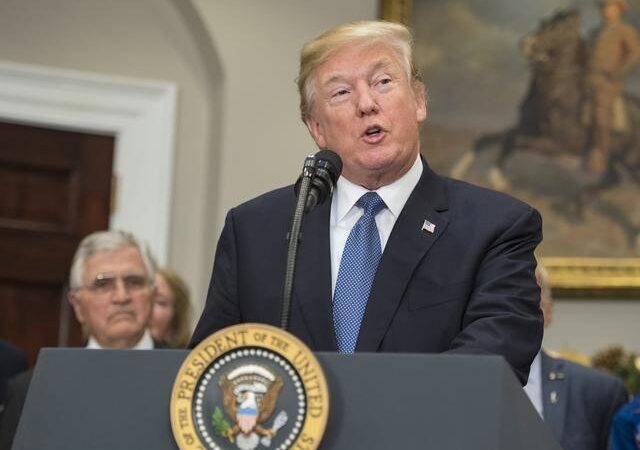
Trump’s Tariffs on Canada Backfire, Impacting North Carolina Economy
President Trump’s tariffs on Canadian goods have sparked retaliation, hurting North Carolina’s agriculture and manufacturing sectors in 2026.

The White House from Washington, DC/Wikimedia Commons
President Donald Trump’s recent tariffs on Canadian imports, imposed in mid-2026, have triggered retaliatory measures from Canada that are now impacting key sectors of North Carolina’s economy. From Wayne County to Duplin County, farmers, manufacturers, and local businesses are feeling the strain as cross-border trade tensions escalate between the United States and Canada.
Tariff Origins and Trump’s Trade Strategy
In June 2026, the Trump administration announced a new set of tariffs targeting Canadian steel, aluminum, and select agricultural products, citing national security concerns and unfair trade practices. The move was part of President Trump’s broader strategy to strengthen American manufacturing and protect domestic producers. However, Canada swiftly retaliated by imposing tariffs on American goods, including agricultural exports that are vital to North Carolina’s economy.
Trade experts in Raleigh describe the tit-for-tat tariffs as a high-stakes gamble with unintended consequences. While the administration aims to bolster U.S. jobs, the immediate effect has been increased costs and disrupted supply chains for industries in eastern North Carolina.
Impact on North Carolina Agriculture
Duplin County, known as one of the state’s top agricultural hubs, is bearing the brunt of Canada’s retaliatory tariffs. Canadian tariffs on U.S. pork and poultry have made these exports less competitive in the Canadian market, leading to reduced sales for North Carolina farmers.
Local hog farmer Susan Matthews from Kenansville shared her concerns: “Our family farm relies on exports to Canada. Since the tariffs, orders have dropped significantly. It’s a tough season, and we’re worried about what comes next.” Poultry producers in the region report similar challenges, with some having to seek alternative markets to offset losses.
Manufacturing and Supply Chain Disruptions in Wayne County
Wayne County’s manufacturing sector, which includes steel fabrication and automotive parts suppliers, has also felt the ripple effects. Tariffs on Canadian aluminum and steel have increased production costs, forcing some local manufacturers to raise prices or delay orders.
Tom Reynolds, CEO of a steel parts manufacturer in Goldsboro, noted, “The tariffs have increased raw material costs by nearly 15%. Our Canadian suppliers have raised prices, and it’s cutting into our margins. We’re forced to consider layoffs or scaling back production if this continues.” Supply chain disruptions have also created delays that frustrate customers and threaten long-term contracts.
Political Reactions and Local Voices
North Carolina lawmakers have expressed mixed reactions. Some Republican representatives continue to back President Trump’s tough stance, emphasizing the need to negotiate better trade terms. Others voice concern over the immediate economic fallout in their districts.
State Senator Amelia Carter of Wayne County remarked, “While we support protecting American industry, these tariffs are hurting our local farmers and manufacturers. We urge the administration to work quickly toward a resolution that benefits all parties.” Local chambers of commerce in both Wayne and Duplin counties have called for dialogue to ease tensions and restore trade flows.
Looking Ahead: Potential Outcomes and Solutions
Economists warn that if the tariff dispute continues into 2027, North Carolina’s economy could face deeper challenges, including job losses and reduced investment. Industry groups advocate for negotiations with Canada to roll back tariffs and establish more stable trade agreements.
- Increased market diversification efforts by farmers and manufacturers
- State initiatives to support affected workers and businesses
- Possible federal trade talks to resolve tariff conflicts
For now, communities across Wayne and Duplin counties are bracing for ongoing uncertainty as they navigate the complex fallout from President Trump’s tariff policies against Canada.